
Breaking a tooth can be an unsettling experience. Whether it happens whilst eating, during a sporting activity, or as a result of an accident, many people immediately search online for information about their options — particularly how quickly a broken tooth can be restored.
Same-day crowns for broken teeth have become an increasingly sought-after treatment, with patients wanting to understand how modern dental technology may help restore a damaged tooth in a single appointment. The idea of avoiding multiple visits and temporary restorations is understandably appealing for busy Londoners managing work, family, and daily commitments.
This article provides a complete treatment guide covering how same-day crowns work, what the clinical process involves, who may be suitable for this type of restoration, and what patients should consider before treatment. Understanding the background behind dental crowns — and specifically the technology that enables same-day placement — can help patients feel more informed when discussing options with their dentist.
Experiencing these symptoms?
Delaying treatment can lead to tooth loss. We have slots available today.
If you have recently broken a tooth or are experiencing dental discomfort, seeking a professional dental assessment is an important first step. A dentist can evaluate the extent of the damage and discuss whether a same-day crown or alternative restoration may be appropriate for your individual situation.
What Are Same-Day Crowns for Broken Teeth?
Same-day crowns for broken teeth are custom-designed dental restorations created and fitted within a single appointment using computer-aided design and manufacturing (CAD/CAM) technology. A digital scan of the damaged tooth is used to design a ceramic crown, which is then milled on-site. Suitability depends on the type and extent of the fracture and must be assessed during a clinical examination.
What Causes Teeth to Break?
Teeth can break for a variety of reasons, and understanding the common causes may help patients take steps to protect their oral health. Some of the most frequent causes of broken or fractured teeth include:
Meet Dr. Yasha Shirazi
Principal Dentist at Emergency Dentist London
"We treat hundreds of dental emergencies every month. The sooner you come in, the easier the fix usually is."
Book an appointment with our team →- Biting down on hard foods — such as ice, hard sweets, olive stones, or popcorn kernels — can cause unexpected fractures, particularly in teeth that may already have minor weaknesses.
- Tooth decay — when decay undermines the internal structure of a tooth, it becomes more vulnerable to cracking or breaking, even under normal biting forces.
- Old or large fillings — teeth with extensive existing restorations may lose structural integrity over time, making them more prone to fracture.
- Trauma or accidents — falls, sporting injuries, or impacts to the face can cause teeth to chip, crack, or break more severely.
- Bruxism (teeth grinding) — habitual grinding or clenching, often during sleep, places excessive force on teeth and can lead to cracks or fractures over time.
- Temperature changes — repeatedly exposing teeth to extreme hot and cold temperatures may contribute to the development of fine stress cracks.
In many cases, a tooth may have been weakened gradually before a fracture becomes noticeable. Regular dental check-ups can help identify early signs of structural weakness, allowing a dentist to recommend preventative measures where appropriate.
Understanding Tooth Structure and Why Crowns May Be Needed
To understand why a dental crown may be recommended for a broken tooth, it helps to know a little about tooth anatomy.
Each tooth has several layers. The outermost layer is enamel, a hard mineralised coating that protects the tooth from daily wear and exposure to bacteria. Beneath the enamel lies dentine, a slightly softer layer that forms the bulk of the tooth's structure. At the centre of the tooth is the pulp, which contains nerves and blood vessels.
When a tooth breaks, the extent of the damage determines which layers are affected. A minor chip may only affect the enamel, whereas a more significant fracture can extend into the dentine or even expose the pulp. When a substantial portion of the tooth structure is lost — or when the remaining tooth is weakened — a filling alone may not provide sufficient strength or protection.
A dental crown acts as a protective cap that encases the entire visible portion of the tooth above the gum line. It restores the tooth's shape, function, and appearance whilst shielding the underlying structure from further damage. For broken teeth where the root remains healthy and intact, a crown can often provide a long-lasting restoration that allows the patient to bite and chew comfortably.
The decision to recommend a crown depends on a thorough clinical assessment, including the location and severity of the fracture.
How Same-Day Crown Technology Works
Traditional dental crowns typically require two separate appointments. During the first visit, the tooth is prepared and an impression is taken, which is then sent to an external dental laboratory. A temporary crown is fitted whilst the permanent crown is manufactured, and the patient returns for a second appointment to have the final crown cemented in place.
Same-day crown technology streamlines this process using CAD/CAM (Computer-Aided Design and Computer-Aided Manufacturing) systems. The process generally involves the following stages:
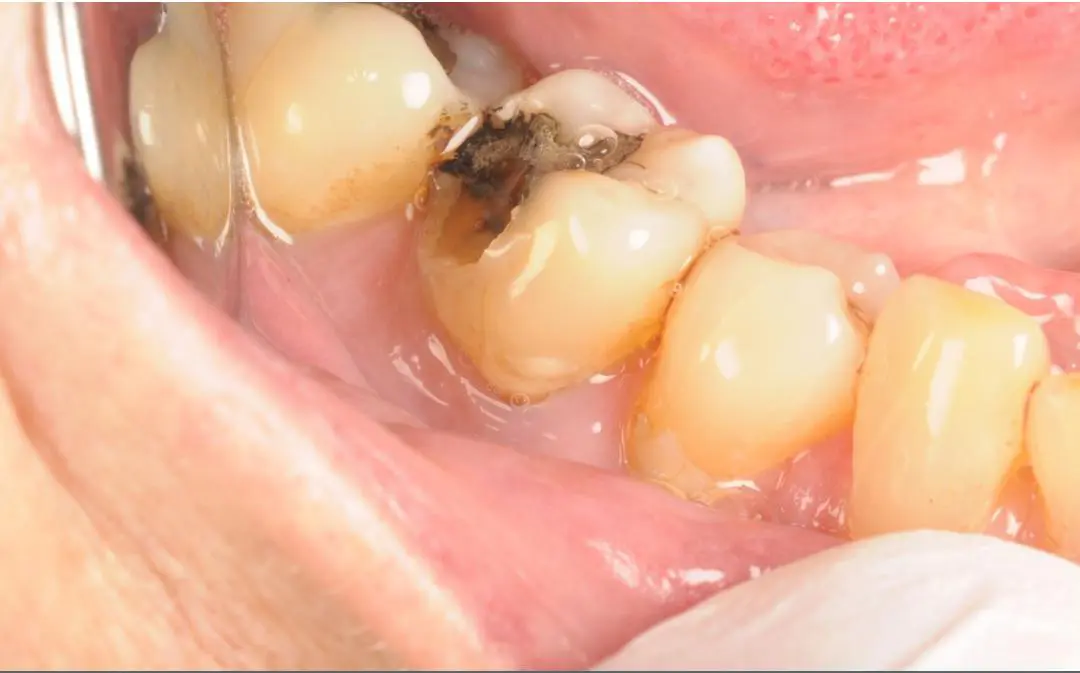
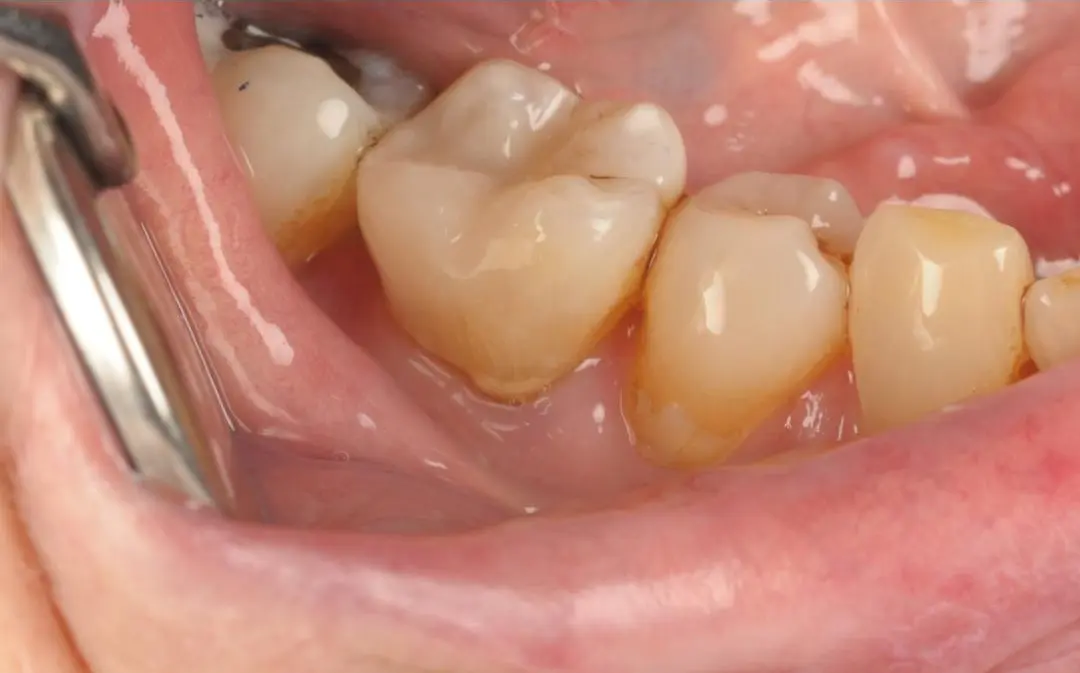
Real Patient Result: Emergency White Filling
Treatment by Dr Kamran
- Digital scanning — instead of a traditional putty impression, a small intraoral camera captures a detailed three-dimensional digital scan of the prepared tooth and surrounding area.
- Digital design — specialised software is used to design the crown on screen, allowing the dentist to customise the shape, contour, and bite alignment of the restoration.
- On-site milling — the design is sent to an in-office milling unit, which carves the crown from a solid block of high-quality ceramic material. This process typically takes between 15 and 30 minutes.
- Fitting and bonding — once milled, the crown is checked for fit and colour match, then bonded to the prepared tooth.
This technology allows the entire process — from preparation to final placement — to be completed in a single visit. However, it is important to note that not every broken tooth is suitable for a same-day crown. The clinical decision depends on factors such as the extent of damage, the tooth's location, and the patient's overall oral health.
Who May Be Suitable for a Same-Day Crown?
Same-day crowns may be considered for patients in a range of situations, but suitability is always determined through individual clinical assessment. Generally, candidates may include patients who:
- Have a broken or fractured tooth where the root structure remains healthy
- Need a crown replacement for an existing restoration that has failed or become damaged
- Have a tooth that has been significantly weakened by decay and requires full-coverage protection after treatment
- Prefer to minimise the number of dental appointments required for restoration
There are also circumstances where a same-day crown may not be the most appropriate option. For example, teeth with extensive fractures extending below the gum line, teeth requiring root canal treatment beforehand, or cases where there is significant infection may need a different treatment approach or a phased plan.
Patients with severe bruxism may also require additional considerations, as grinding habits can affect the long-term success of ceramic restorations. In some cases, a dentist may recommend a laboratory-fabricated crown made from a different material for greater durability.
The most reliable way to determine suitability is through a thorough dental examination, including clinical assessment and appropriate imaging such as X-rays.
What to Expect During the Appointment
Understanding what happens during a same-day crown appointment can help patients feel more at ease. Whilst the exact process may vary slightly between dental practices, the general steps are broadly similar.
Initial assessment — the dentist will examine the broken tooth, take any necessary X-rays, and discuss the available treatment options with you. If a same-day crown is considered suitable, the procedure can often begin during the same visit.
Tooth preparation — the damaged or decayed portion of the tooth is carefully removed, and the remaining tooth structure is shaped to accommodate the crown. Local anaesthetic is used to ensure comfort throughout this process.
Digital impression — a small camera is used to scan the prepared tooth, creating a precise digital model. This replaces the need for traditional impression materials, which many patients find more comfortable.
Crown design and milling — whilst you wait, the crown is designed digitally and milled from a ceramic block. This phase typically takes around 20 to 40 minutes.
Fitting — the completed crown is tried in, and the dentist checks the fit, bite alignment, and colour match. Once everything is satisfactory, the crown is permanently bonded to the tooth.
Most same-day crown appointments take approximately 90 minutes to two hours in total, though this can vary depending on the complexity of the case.
Materials Used in Same-Day Crowns
Same-day crowns are typically milled from high-quality ceramic materials. The most commonly used materials include:
- Lithium disilicate — a strong and highly aesthetic glass-ceramic material that provides a natural-looking translucency. It is commonly used for front teeth and premolars where appearance is a priority.
- Zirconia — an extremely strong ceramic material that offers excellent durability. It is often favoured for back teeth (molars) where greater biting forces are experienced.
- Composite resin blocks — in some cases, resin-based materials may be used, though these are generally considered less durable than ceramic options for long-term restorations.
Each material has its own characteristics regarding strength, aesthetics, and longevity. The choice of material depends on factors such as the tooth's position in the mouth, the patient's bite, aesthetic requirements, and the dentist's clinical judgement.
Modern ceramic materials used in same-day crowns are designed to closely replicate the appearance of natural tooth enamel, including colour, shading, and translucency. In many cases, the final restoration can be virtually indistinguishable from the surrounding natural teeth.
Your dentist will discuss which material may be most appropriate for your individual situation during the consultation.
When Professional Dental Assessment May Be Needed
If you have broken a tooth, it is generally advisable to seek a dental assessment promptly. However, there are certain signs and symptoms that may indicate a more pressing need for professional evaluation:
- Pain when biting or chewing — this may suggest the fracture extends deeper into the tooth structure
- Sensitivity to hot or cold — increased sensitivity can indicate that the dentine or pulp layer has been exposed
- Visible cracks or sharp edges — these can irritate the tongue or cheek and may worsen without treatment
- Swelling around the affected tooth — this could suggest the presence of infection, which may require timely attention
- A piece of tooth has broken away — even if there is no immediate pain, the remaining tooth structure may be vulnerable to further damage
- Discolouration of the tooth — a darkening tooth after trauma may indicate changes within the pulp
If you are experiencing any of these symptoms, seeking a professional opinion can help determine the most appropriate course of action. Early assessment may also help preserve more of the natural tooth structure, potentially offering a wider range of treatment options for broken or damaged teeth.
Caring for Your Same-Day Crown
Once a same-day crown has been placed, proper aftercare can help support its longevity and the health of the underlying tooth. General guidance includes:
- Brush twice daily using a fluoride toothpaste and a soft-bristled toothbrush. Pay attention to the gum line around the crown.
- Clean between teeth daily using interdental brushes or floss. Plaque can accumulate at the junction between the crown and the natural tooth, so thorough cleaning in this area is important.
- Avoid very hard foods — whilst modern ceramic crowns are designed to withstand normal biting forces, habitually chewing on very hard items (such as ice or pen caps) can increase the risk of damage.
- Wear a mouthguard if advised — if you grind your teeth at night or participate in contact sports, a custom mouthguard can help protect both crowns and natural teeth.
- Attend regular dental check-ups — routine examinations allow your dentist to monitor the condition of the crown and the surrounding tooth structure over time.
With appropriate care, dental crowns can last for many years. However, like all dental restorations, they are subject to normal wear and may eventually need to be replaced. Your dentist can advise on the expected lifespan based on your individual circumstances.
Prevention and Oral Health Advice
Whilst it is not always possible to prevent a tooth from breaking, there are practical steps that may help reduce the risk:
- Maintain a consistent oral hygiene routine — brushing, flossing, and using fluoride products help keep teeth strong and reduce the risk of decay that can weaken tooth structure.
- Address decay and damage early — attending regular dental check-ups allows your dentist to identify and treat small cavities or cracks before they progress to more significant problems.
- Be mindful when eating hard foods — cutting hard foods into smaller pieces rather than biting directly into them can reduce stress on the teeth.
- Consider a mouthguard for sports — custom-fitted mouthguards provide cushioning and protection during physical activities.
- Seek assessment for teeth grinding — if you suspect you may be grinding or clenching your teeth, discuss this with your dentist. Protective night guards can help reduce the impact of bruxism.
- Avoid using teeth as tools — opening packaging, tearing tape, or holding objects with the teeth places unnecessary stress on them.
These measures, combined with professional dental care, can help maintain the structural integrity of your teeth and support long-term oral health.
Key Points to Remember
- Same-day crowns use CAD/CAM technology to design and fit a custom ceramic crown in a single dental appointment.
- Broken teeth can result from decay, trauma, grinding, or biting on hard objects, and the severity of the fracture determines the appropriate treatment.
- Not all broken teeth are suitable for same-day crowns — a clinical examination is necessary to determine the best approach for each individual case.
- Modern ceramic materials provide strong, natural-looking restorations that can closely match the appearance of surrounding teeth.
- Good oral hygiene and regular dental visits play an important role in maintaining the health of both crowns and natural teeth.
- Early dental assessment after a tooth breaks may help preserve more natural tooth structure and provide more treatment options.
Frequently Asked Questions
How long does a same-day crown appointment take?
A same-day crown appointment typically takes between 90 minutes and two hours, though this can vary depending on the complexity of the case. The time includes the initial assessment, tooth preparation, digital scanning, crown design, milling, and final fitting. Because everything is completed in one visit, there is no need for a temporary crown or a return appointment. Your dentist will give you a more accurate time estimate after assessing your specific situation during the initial examination.
Are same-day crowns as durable as traditional laboratory-made crowns?
Same-day crowns are made from high-quality ceramic materials such as lithium disilicate and zirconia, which offer excellent strength and aesthetic properties. Research suggests that these restorations can perform comparably to traditional laboratory-made crowns in many clinical situations. However, the long-term durability of any crown depends on several factors, including the tooth's location, the patient's bite, oral hygiene habits, and whether habits like teeth grinding are present. Your dentist can discuss expected longevity based on your individual circumstances.
Is the same-day crown procedure painful?
The procedure is carried out under local anaesthetic, so patients should not feel pain during tooth preparation. Some patients may experience mild sensitivity or discomfort in the days following the appointment, which typically settles naturally. Over-the-counter pain relief can help manage any temporary discomfort if needed. If you experience persistent pain or significant sensitivity after a crown has been placed, it is advisable to contact your dental practice for further assessment.
Can any broken tooth be treated with a same-day crown?
Not every broken tooth is suitable for a same-day crown. The decision depends on factors including the location and extent of the fracture, the health of the tooth root, the presence of infection, and whether additional treatment such as root canal therapy is needed beforehand. Teeth with fractures extending below the gum line may require alternative approaches. A thorough clinical examination, including X-rays, is necessary to determine the most appropriate treatment plan for each individual case.
How do same-day crowns compare in appearance to natural teeth?
Modern ceramic materials used for same-day crowns are designed to replicate the colour, translucency, and texture of natural tooth enamel. During the
Disclaimer
This article is for general educational purposes only and does not constitute professional dental advice, diagnosis, or treatment. Every patient's circumstances are unique; dental symptoms and treatment options should always be assessed during a clinical examination by a qualified dental professional. No specific outcomes are guaranteed. This content has been prepared in line with GDC, CQC, ASA CAP Code, and GMC communication standards. If you have concerns about your oral health, please contact a registered dentist.