
Orthodontic emergencies can occur unexpectedly, leaving patients concerned about damaged braces, broken brackets, or protruding wires. Many people search online for immediate guidance when their orthodontic appliances become damaged, particularly outside normal clinic hours. Understanding how to manage these situations safely can help prevent further complications whilst awaiting professional orthodontic care.
This article explains common orthodontic emergencies, provides guidance on temporary management techniques, and discusses when professional assessment may be necessary. Broken orthodontic components can cause discomfort and may interfere with treatment progress if not addressed appropriately. Knowing basic temporary measures can help maintain oral comfort and protect your orthodontic investment.
Whether dealing with a loose bracket, protruding wire, or damaged elastic bands, proper initial management can make a significant difference to your comfort and treatment outcomes. Professional orthodontic evaluation remains essential for proper repair and continued treatment success.
Experiencing these symptoms?
Delaying treatment can lead to tooth loss. We have slots available today.
What Should You Do When Orthodontic Components Break?
When orthodontic brackets or wires break, rinse your mouth gently with warm water and carefully assess the damage. Apply orthodontic wax to any sharp edges causing discomfort, avoid hard or sticky foods, and contact your orthodontist promptly to arrange repair appointments for continued treatment progress.
Common Causes of Orthodontic Damage
Orthodontic appliances are designed to withstand normal daily activities, but certain factors can lead to component failure. Understanding these causes can help patients take preventative measures to protect their investment in orthodontic treatment.
Hard or sticky foods represent the most frequent cause of bracket and wire damage. Items such as nuts, hard sweets, sticky toffees, or ice can create excessive force on orthodontic components. Chewing habits, including pen biting or nail biting, can also stress the appliances beyond their designed limits.
Meet Dr. Yasha Shirazi
Principal Dentist at Emergency Dentist London
"We treat hundreds of dental emergencies every month. The sooner you come in, the easier the fix usually is."
Book an appointment with our team →Sports activities without proper mouth protection can result in trauma to orthodontic appliances. Even minor impacts can dislodge brackets or bend wires, requiring professional adjustment. Poor oral hygiene may weaken the bond between brackets and tooth surfaces, making detachment more likely during normal activities.
Immediate Management of Broken Brackets
When a bracket becomes loose or detached, immediate action can prevent further complications and maintain oral comfort. The approach depends on whether the bracket remains attached to the wire or has completely separated from the orthodontic system.
If the bracket remains connected to the wire but has detached from the tooth, it may slide along the wire and cause irritation to surrounding tissues. Gently moving the bracket away from sensitive areas and securing it with orthodontic wax can provide temporary relief until professional repair is possible.
Completely detached brackets should be carefully removed from the mouth to prevent accidental swallowing or aspiration. Keep the bracket safe and contact your orthodontist to arrange reattachment. The affected tooth may feel different without the bracket, but treatment can typically resume once professional repair is completed. If other restorations fail unexpectedly, this guide on dislodged amalgam fillings may also be useful.
Managing Protruding or Broken Wires Safely
Orthodontic wires may occasionally break or shift position, creating sharp edges that can irritate the cheeks, lips, or tongue. Safe temporary management can prevent soft tissue injury whilst awaiting professional adjustment.
Small wire irritations often respond well to orthodontic wax application. Clean the affected area gently and apply a small amount of wax over the protruding wire end. This creates a smooth surface that reduces friction against soft tissues during normal mouth movements.
For longer protruding wires that cannot be managed with wax alone, very careful trimming may be considered using clean nail clippers sterilised with rubbing alcohol. However, this should only be attempted if the wire end is easily accessible and the patient feels comfortable performing this temporary measure. Professional wire adjustment remains the preferred solution for optimal safety and treatment continuity.
Understanding Orthodontic Appliance Function
Orthodontic brackets and wires work together as a sophisticated system designed to apply controlled forces to teeth over extended periods. The brackets serve as handles attached to individual teeth, whilst the connecting wires provide the directional force necessary for tooth movement.
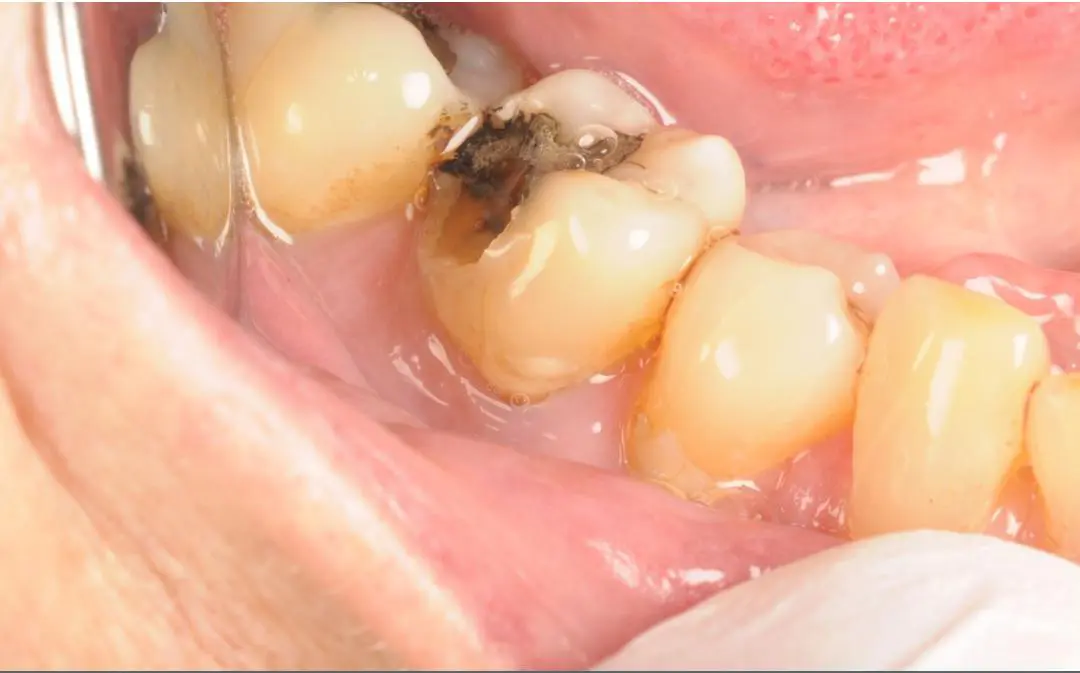
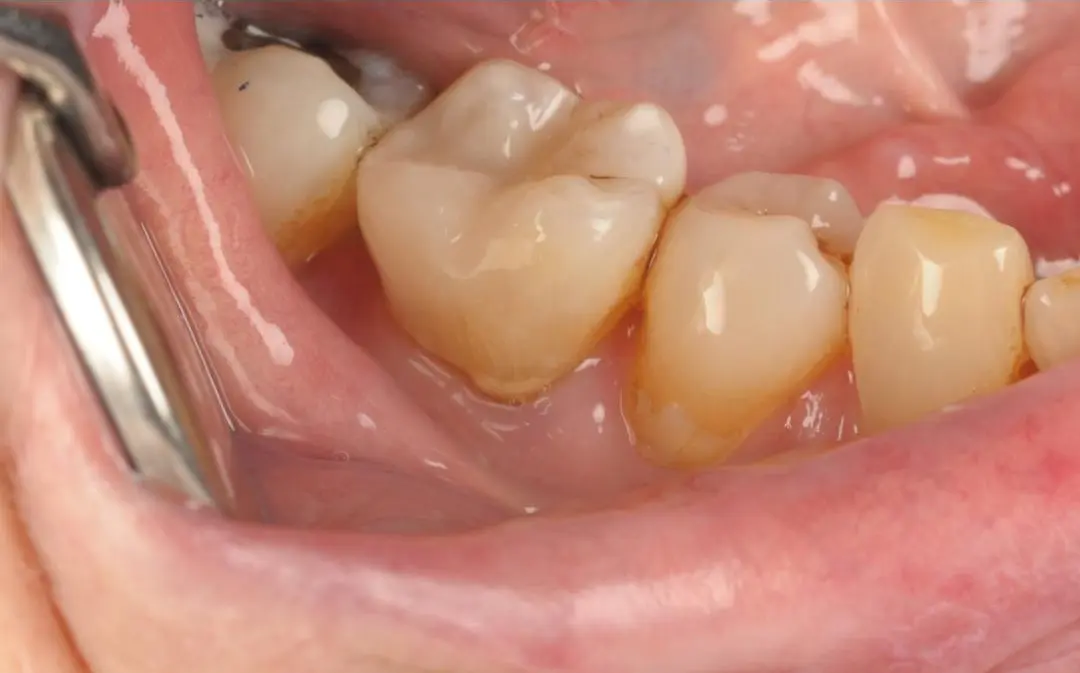
Real Patient Result: Emergency White Filling
Treatment by Dr Kamran
Modern orthodontic materials are engineered for durability and biocompatibility, but they operate within specific mechanical limits. The adhesive bonding brackets to teeth creates a strong but reversible connection that allows for treatment completion and appliance removal.
Wire materials vary in stiffness and flexibility depending on the treatment stage. Initial wires are often more flexible to allow gentle initial movement, whilst later treatment phases may require stiffer wires for precise positioning. Understanding this system helps patients appreciate why professional repair and adjustment are essential for optimal treatment outcomes. Where jaw tension is also present, this clinical overview on jaw comfort for singers and vocal coaches provides complementary guidance.
When Professional Orthodontic Assessment May Be Needed
Certain orthodontic situations require prompt professional evaluation to prevent complications and ensure treatment remains on schedule. Understanding when to seek professional care can help maintain both oral health and treatment progress.
Persistent pain following orthodontic damage may indicate more complex issues requiring professional assessment. Sharp or protruding components that cannot be safely managed with temporary measures should be evaluated promptly to prevent soft tissue injury.
Signs of infection around orthodontic components, including swelling, prolonged tenderness, or unusual discharge, warrant professional attention. These symptoms may indicate complications that require specific treatment approaches beyond temporary home management. In severe cases, seek urgent assessment from a private emergency dentist.
Preventing Future Orthodontic Emergencies
Prevention strategies can significantly reduce the likelihood of orthodontic emergencies and help maintain treatment schedule adherence. Simple dietary modifications and protective measures can protect your orthodontic investment effectively.
Avoiding hard, sticky, or chewy foods represents the most effective prevention strategy. Foods such as whole apples should be cut into smaller pieces, whilst items like caramel or hard sweets should be avoided entirely during orthodontic treatment.
Sports participants should wear appropriate mouth guards designed for orthodontic patients to protect both teeth and appliances during physical activities. Regular orthodontic appointments allow for preventive adjustments and early identification of potential problems before they become emergencies.
Maintaining Oral Health During Orthodontic Treatment
Effective oral hygiene becomes particularly important when managing damaged orthodontic appliances. Broken components can create areas where food particles and bacteria accumulate more easily, potentially leading to complications if not addressed properly.
Gentle brushing around damaged areas helps maintain cleanliness without causing further appliance damage. Using a soft-bristled toothbrush and careful technique can effectively clean around temporary wax applications and loose components.
Antiseptic mouth rinses can provide additional bacterial control whilst professional repair is pending. However, comprehensive dental hygiene practices should continue throughout orthodontic treatment to maintain optimal oral health and support successful treatment outcomes.
Key Points to Remember
• Apply orthodontic wax to any sharp or irritating orthodontic components for temporary relief
• Contact your orthodontist promptly when appliances become damaged to maintain treatment schedules
• Avoid hard, sticky, or chewy foods that can damage orthodontic components
• Maintain careful oral hygiene around damaged appliances to prevent complications
• Seek professional evaluation for persistent pain, infection signs, or components that cannot be safely managed
• Use appropriate mouth protection during sports activities to prevent orthodontic trauma
Frequently Asked Questions
Can I continue eating normally with a broken bracket?
You should modify your diet when orthodontic components are damaged, focusing on soft foods that require minimal chewing. Avoid hard, sticky, or chewy items that could cause further damage or dislodge the remaining components. Return to your normal diet once professional repair is completed and your orthodontist confirms the appliances are secure.
How urgent is it to fix a broken orthodontic wire?
The urgency depends on your comfort level and the extent of the damage. Sharp or protruding wires that cause persistent irritation should be addressed promptly to prevent soft tissue injury. Minor wire issues that can be managed comfortably with orthodontic wax may wait for the next scheduled appointment, though contacting your orthodontist for guidance is always advisable.
Will broken orthodontic components delay my treatment?
Minor breakages that are repaired quickly typically have minimal impact on overall treatment timelines. However, repeated damage or delays in seeking repair can extend treatment duration. Prompt professional attention and following preventive guidelines help maintain your treatment schedule and achieve optimal results within the projected timeframe.
Is orthodontic wax safe if accidentally swallowed?
Orthodontic wax is designed to be safe if small amounts are accidentally ingested during normal use. The wax is made from biocompatible materials that will pass harmlessly through the digestive system. However, use only the minimum amount necessary for comfort and replace it regularly to maintain effectiveness and hygiene.
Can I exercise with damaged orthodontic appliances?
Light exercise is generally acceptable with minor orthodontic damage, provided you can manage any discomfort safely. However, contact sports or activities with high trauma risk should be avoided until professional repair is completed. Using appropriate mouth protection becomes even more important when orthodontic components are compromised.
Should I remove loose brackets myself?
Only remove completely detached brackets that pose a risk of being swallowed or inhaled. Brackets that remain partially attached to teeth or wires should be left in place and secured with orthodontic wax if causing irritation. Attempting to remove partially attached components may cause additional damage requiring more extensive repair.
Conclusion
Managing broken orthodontic brackets or wires safely involves understanding basic temporary measures whilst recognising when professional intervention is necessary. Immediate application of orthodontic wax, dietary modifications, and gentle oral hygiene can provide comfort and prevent complications during the period before professional repair.
Prevention through appropriate dietary choices, protective equipment during sports, and regular orthodontic appointments remains the most effective strategy for avoiding orthodontic emergencies. When damage does occur, prompt communication with your orthodontic provider ensures that treatment can resume efficiently with minimal impact on your overall progress.
Maintaining good oral health practices throughout orthodontic treatment becomes particularly important when managing damaged appliances. Professional assessment provides the definitive solution for orthodontic emergencies, ensuring that your treatment continues safely and effectively towards the desired outcome.
Dental symptoms and treatment options should always be assessed individually during a clinical examination.
Disclaimer
This article is for educational purposes only and is not a substitute for clinical advice.
Orthodontic problems require assessment by a qualified dental professional.
Treatment options, timelines, and outcomes vary by patient and are not guaranteed.
If you have persistent pain, swelling, trauma, or urgent symptoms, seek prompt dental care.