
If you have noticed a rough edge on one of your teeth or experienced a sudden crack after biting down on something hard, you are not alone. Tooth damage is one of the most common reasons patients across London seek dental advice, and it is entirely natural to feel uncertain about how serious the issue may be. Many people turn to online searches to understand the difference between a minor chip and a major fracture before deciding whether they need professional care.
Understanding the nature of tooth damage — whether it is a small cosmetic chip or a more significant structural fracture — can help you make informed decisions about your oral health. A minor chip may seem purely aesthetic, but without proper assessment, underlying damage can sometimes go unnoticed. Equally, a major tooth fracture may require prompt attention to protect the tooth and surrounding structures.
This guide explains the key differences between minor chips and major fractures, outlines common symptoms, discusses treatment approaches, and offers practical advice on when a professional dental assessment may be beneficial. The aim is to help you feel more confident and informed about your dental health.
Experiencing these symptoms?
Delaying treatment can lead to tooth loss. We have slots available today.
What Is the Difference Between a Minor Chip and a Major Fracture?
A minor chip typically involves a small loss of enamel on the tooth surface, often causing no pain but leaving a rough or uneven edge. A major fracture extends deeper into the tooth structure, potentially affecting the dentine or pulp, and may cause significant pain, sensitivity, or visible damage. Treatment for each depends on the severity and location of the damage, which a dentist can assess during a clinical examination.
Understanding Tooth Structure: Why Damage Varies
To appreciate why some tooth injuries are minor and others more serious, it helps to understand basic tooth anatomy. Each tooth is made up of several layers, and the depth of damage determines how it is classified and treated.
Enamel is the hard, outermost layer of the tooth. It is the strongest substance in the human body and serves as a protective shield. A minor chip usually affects only this layer. Because enamel contains no nerve endings, small chips often cause no pain at all — though they may create a sharp or rough edge that you can feel with your tongue.
Meet Dr. Yasha Shirazi
Principal Dentist at Emergency Dentist London
"We treat hundreds of dental emergencies every month. The sooner you come in, the easier the fix usually is."
Book an appointment with our team →Beneath the enamel lies dentine, a softer, yellowish layer that makes up the bulk of the tooth. Dentine contains microscopic tubules that connect to the nerve centre of the tooth. When a fracture reaches this layer, patients may begin to experience sensitivity to temperature, pressure, or sweet foods.
At the centre of the tooth is the pulp, which houses the nerve and blood supply. A major fracture that exposes or damages the pulp can cause considerable discomfort and may increase the risk of infection if left unaddressed.
Understanding these layers helps explain why two patients with seemingly similar injuries can have very different experiences and treatment needs.
Common Causes of Chipped and Fractured Teeth
Tooth damage can happen to anyone, regardless of age or how well they care for their teeth. However, certain factors and situations increase the likelihood of chips and fractures occurring.
Accidental trauma is one of the most frequent causes. A fall, a knock during sport, or an unexpected impact to the face can chip or fracture a tooth instantly. This is particularly common among active adults and those who play contact sports without a mouthguard.
Biting on hard objects is another leading cause. Chewing ice, biting down on an olive stone, opening packaging with your teeth, or crunching on hard sweets can all place excessive force on a tooth, leading to damage.
Weakened tooth structure also plays a role. Teeth that have large existing fillings, previous root canal treatment, or areas of untreated decay may be more vulnerable to fracturing under normal biting forces. Over time, everyday wear can gradually weaken enamel, making teeth more susceptible.
Bruxism (tooth grinding), particularly during sleep, places repeated stress on the teeth and can lead to cracks and fractures developing gradually. Many patients are unaware they grind their teeth until damage becomes visible.
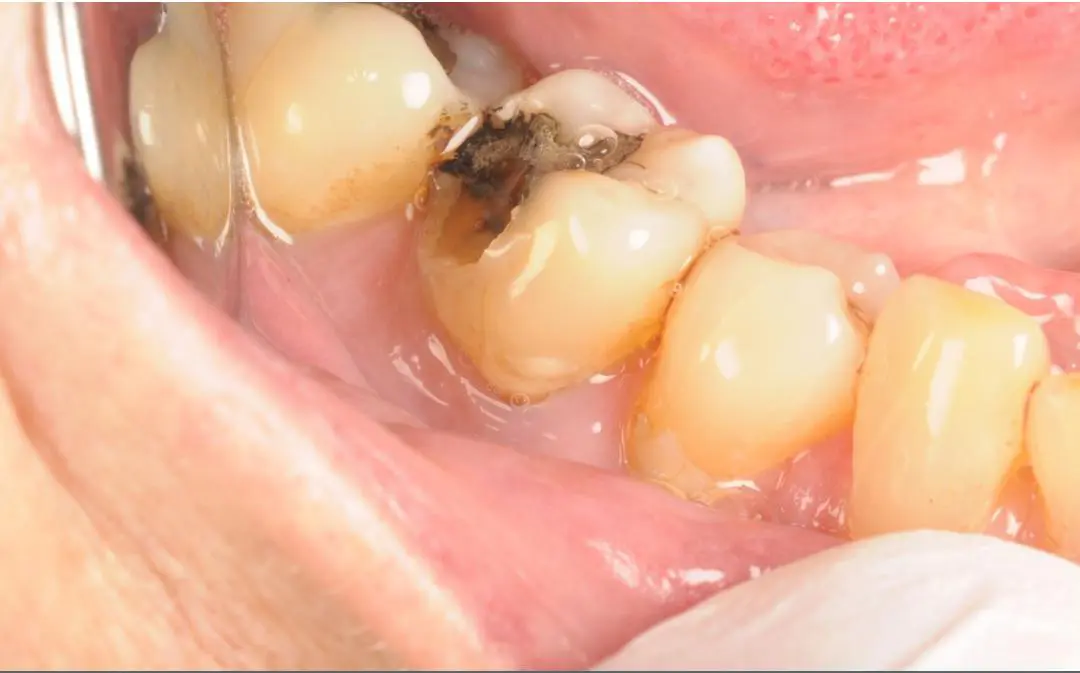
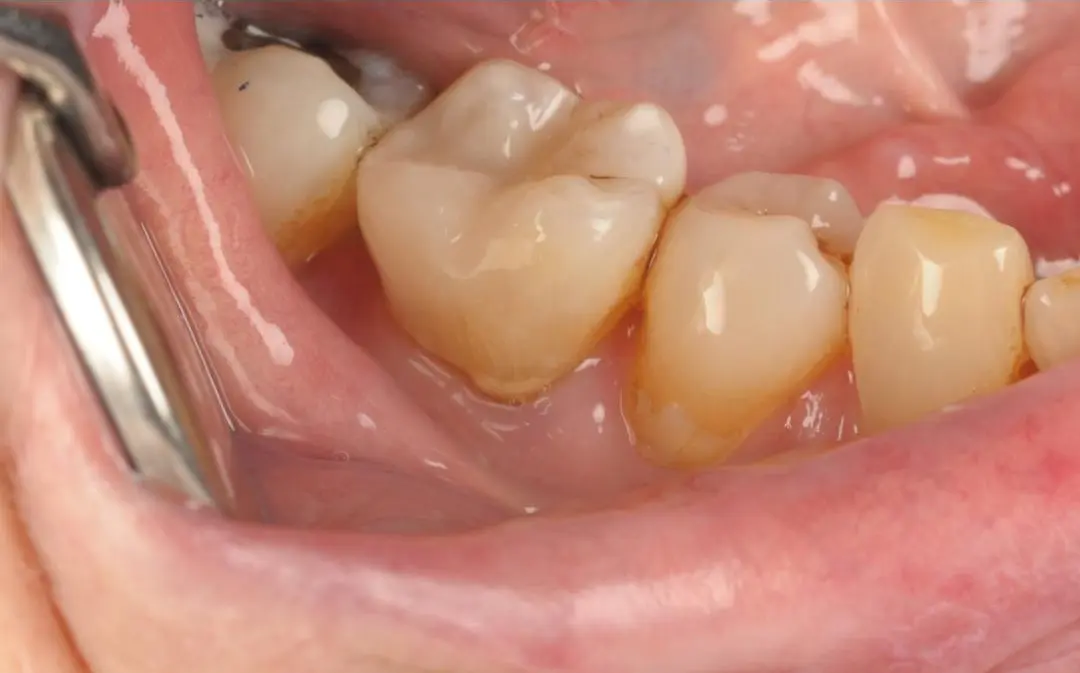
Real Patient Result: Emergency White Filling
Treatment by Dr Kamran
Understanding these causes can help you take steps to protect your teeth, which we discuss later in this guide.
Recognising the Signs: Minor Chip Symptoms
A minor chip is usually straightforward to identify, though the signs can vary depending on the size and location of the damage.
The most obvious sign is a visible change to the tooth's appearance. You may notice a small piece of enamel missing, a rough or jagged edge, or a slight asymmetry when you look at your smile. In many cases, patients first notice a chip by running their tongue over the affected area and feeling an uneven surface.
Minor chips typically do not cause pain. Because the damage is limited to the enamel layer, the nerve within the tooth remains protected and unaffected. However, the sharp edge left behind can sometimes irritate the tongue, inner cheek, or lip, causing minor soft tissue discomfort.
Some patients may experience mild sensitivity, particularly if the chip is slightly deeper and exposes a small area of dentine. This sensitivity is usually temporary and may be triggered by cold drinks or air.
It is worth noting that what appears to be a minor chip on the surface may occasionally involve a hairline crack extending deeper into the tooth. This is one reason why a dental examination can be valuable even for seemingly small injuries — to confirm the full extent of the damage and ensure no further treatment is needed.
Recognising the Signs: Major Fracture Symptoms
A major fracture presents quite differently from a minor chip, and the symptoms tend to be more noticeable and disruptive.
Significant pain is often the most prominent symptom. If the fracture extends into the dentine or pulp, patients may experience sharp, throbbing, or constant pain. This discomfort may worsen when biting, chewing, or applying any pressure to the affected tooth.
Heightened sensitivity is another common indicator. A fractured tooth may react strongly to hot or cold foods and drinks, sweet substances, or even cold air. Unlike the mild sensitivity associated with a minor chip, this tends to be more intense and may linger after the stimulus is removed.
Visible structural damage may be apparent. Patients might see a large piece of tooth missing, a visible crack line running through the tooth, or discolouration in the affected area. In some cases, a section of the tooth may feel loose or mobile.
Swelling of the gum around the affected tooth can sometimes occur, particularly if the pulp has been compromised and an infection is developing. This may be accompanied by a persistent bad taste or localised tenderness.
If you notice any of these symptoms, it may be helpful to seek a professional dental assessment to understand the extent of the injury and discuss appropriate care options.
How Dentists Assess Tooth Damage
When you visit a dentist with a chipped or fractured tooth, they will carry out a thorough assessment to determine the type and extent of the damage. This process typically involves several steps.
A visual examination allows the dentist to inspect the tooth directly, looking at the size, location, and depth of the damage. They will also check the surrounding teeth and soft tissues for any related injury.
Dental X-rays (radiographs) are often taken to reveal damage that is not visible to the naked eye. X-rays can show whether a fracture line extends into the root of the tooth, whether there is any damage to the surrounding bone, and whether the pulp chamber has been affected.
The dentist may also use a dental probe to gently explore the damaged area and assess sensitivity levels. In some cases, a vitality test may be performed to check whether the nerve within the tooth is still responding normally.
Based on these findings, the dentist can classify the injury — from a simple enamel chip to a more complex fracture involving the root — and discuss the most appropriate treatment options with you. Every case is different, and treatment recommendations will depend on the individual clinical findings.
Treatment Approaches for Minor Chips
Treatment for a minor chip is usually straightforward and can often be completed in a single appointment. The approach depends on the size, location, and extent of the chip.
Cosmetic bonding is one of the most common treatments for small enamel chips. The dentist applies a tooth-coloured composite resin to the damaged area, carefully shaping and polishing it to restore the tooth's natural appearance. This is a relatively quick procedure and does not usually require local anaesthesia.
Smoothing and polishing may be sufficient for very minor chips where only a tiny amount of enamel has been lost. The dentist gently files down the rough or sharp edges, creating a smooth surface that is comfortable and reduces the risk of soft tissue irritation.
For chips on front teeth where aesthetics are a particular concern, a porcelain veneer may be discussed as an option. Veneers are thin shells that are bonded to the front surface of the tooth, providing a durable and natural-looking restoration. This option is typically considered for more noticeable cosmetic concerns.
In all cases, the dentist will assess whether the chip has affected only the enamel or whether deeper layers are involved. If there is any concern about hidden damage, further investigation may be recommended before treatment begins.
Treatment Approaches for Major Fractures
Major fractures require more extensive treatment, and the approach will depend on the severity, location, and specific clinical findings for each patient.
Dental crowns are commonly used when a significant portion of the tooth structure has been lost but the root remains intact. A crown covers and protects the remaining tooth, restoring its shape, strength, and function. Crowns can be made from various materials, including porcelain and ceramic, to provide a natural appearance.
If the fracture has reached the pulp and the nerve is damaged or exposed, root canal treatment may be recommended. This involves carefully removing the damaged pulp tissue, cleaning the internal canals of the tooth, and sealing them to prevent infection. A crown is often placed afterwards to protect the treated tooth.
In cases where the fracture extends below the gum line or into the root, the tooth may not be restorable. If extraction becomes necessary, the dentist will discuss replacement options with you, which may include dental implants, bridges, or other prosthetic solutions depending on your individual circumstances.
Temporary measures may be put in place if treatment requires multiple appointments. A temporary crown or protective covering can help protect the tooth and manage discomfort while definitive treatment is planned.
Treatment suitability always depends on a thorough clinical assessment, and your dentist will explain the options available to you based on your specific situation.
When Professional Dental Assessment May Be Needed
While not every minor chip requires urgent attention, there are certain situations where seeking a dental assessment is advisable. Recognising these signs can help you make timely decisions about your care.
Persistent or worsening pain following tooth damage suggests that the injury may be more extensive than it appears. If discomfort does not settle within a day or two, or if it intensifies, a dental evaluation would be appropriate.
Increased sensitivity that lingers or worsens — particularly to hot and cold — may indicate that the fracture has reached the dentine or pulp layer. This type of sensitivity is worth having assessed to determine the best course of action.
Visible cracks, missing tooth fragments, or loose tooth sections should be evaluated professionally, as these may indicate a more significant structural compromise.
Swelling, redness, or tenderness in the gum around the damaged tooth can sometimes suggest an infection or inflammatory response. If you notice these symptoms, particularly if accompanied by a bad taste or discharge, timely assessment is recommended.
Difficulty eating or changes in your bite following tooth damage may indicate that the fracture is affecting the tooth's structural integrity or alignment.
If you are unsure about the severity of your injury, it is always reasonable to contact a dental practice for guidance. Early assessment can often simplify treatment and support a better outcome.
What to Do Immediately After Tooth Damage
Knowing how to respond in the moments following a chip or fracture can make a meaningful difference. Here are some practical steps to consider.
Rinse your mouth gently with warm water to clean the area and remove any debris. Avoid using very hot or very cold water, as this may cause additional discomfort if the tooth is sensitive.
Save any tooth fragments if possible. Place them in a small container with milk or saliva, as your dentist may be able to use them in the repair. This is particularly relevant for larger pieces of tooth.
Apply gentle pressure with a clean piece of gauze if there is any bleeding from the gum or soft tissue. Bleeding usually subsides within a few minutes.
Use a cold compress on the outside of your cheek near the affected area to help manage any swelling. Apply it for 10"–15 minutes at a time.
Avoid chewing on the damaged side to prevent further stress on the tooth. Stick to soft foods and avoid very hot, cold, or sugary items until you have been assessed.
Over-the-counter pain relief such as paracetamol or ibuprofen may help manage discomfort in the short term. Always follow the manufacturer's dosage instructions.
Contact your dental practice as soon as practicable to arrange an assessment, particularly if you are experiencing significant pain or visible structural damage.
Prevention and Oral Health Advice
While it is not always possible to prevent tooth damage entirely, there are practical steps you can take to reduce your risk and protect your teeth.
Wear a mouthguard during sport. If you participate in contact sports, martial arts, or activities with a risk of facial impact, a custom-fitted mouthguard provides significantly better protection than shop-bought alternatives. Your dentist can arrange one for you.
Avoid using your teeth as tools. Opening bottles, tearing packaging, or biting thread may seem convenient, but these actions place unnatural stress on your teeth and increase the risk of chips and fractures.
Be mindful of hard foods. Chewing ice, biting directly into hard sweets, popcorn kernels, or crusty bread can all cause sudden damage. Take care when eating foods that may contain unexpected hard elements such as olive stones or bone fragments.
Address bruxism early. If you suspect you grind your teeth — perhaps because of jaw stiffness, headaches, or a partner noticing nighttime grinding — discuss this with your dentist. A custom nightguard can help protect your teeth from gradual damage caused by grinding and clenching.
Maintain regular dental check-ups. Routine examinations allow your dentist to identify early signs of weakening, cracks, or decay that could make teeth more vulnerable to fracture. Preventative care is always more straightforward than reactive treatment.
Practice good daily oral hygiene. Brushing twice daily with fluoride toothpaste and cleaning between your teeth helps maintain strong enamel and healthy supporting structures.
Key Points to Remember
- A minor chip usually affects only the enamel and may not cause pain, while a major fracture can extend into deeper tooth layers and often requires more complex treatment.
- The severity of tooth damage is not always visible on the surface — a professional assessment can reveal hidden fracture lines or deeper involvement.
- Prompt first aid after tooth damage, including rinsing gently and saving any fragments, can support better treatment outcomes.
- Treatment options range from simple cosmetic bonding for minor chips to crowns or root canal treatment for major fractures, depending on clinical findings.
- Wearing a mouthguard during sport and avoiding biting on hard objects are effective ways to reduce the risk of tooth damage.
- If you experience persistent pain, sensitivity, swelling, or visible structural damage, seeking a timely dental assessment is advisable.
Frequently Asked Questions
Can a minor chip get worse if I leave it untreated?
A minor chip that is limited to the enamel may remain stable for some time. However, the rough or weakened edge can gradually wear further or become a site where bacteria accumulate, potentially leading to decay. Additionally, what appears minor on the surface may sometimes involve a deeper crack that is not immediately visible. Having even a small chip assessed during a routine dental appointment allows your dentist to confirm the extent of the damage and advise on whether any treatment would be beneficial to prevent future complications.
How can I tell if my tooth is chipped or fractured?
It can be difficult to distinguish between a chip and a fracture without professional assessment. Generally, a chip involves a visible piece of enamel missing from the tooth surface, often without pain. A fracture may present with a visible crack line, greater sensitivity, pain when biting, or
Disclaimer
This article is for general educational purposes only and does not constitute professional dental advice, diagnosis, or treatment. Every patient's circumstances are unique; dental symptoms and treatment options should always be assessed during a clinical examination by a qualified dental professional. No specific outcomes are guaranteed. This content has been prepared in line with GDC, CQC, ASA CAP Code, and GMC communication standards. If you have concerns about your oral health, please contact a registered dentist.