
Discovering that an amalgam filling feels loose or has become dislodged can be a concerning experience for many patients. This common dental issue prompts thousands of people across London to search for immediate guidance and reassurance about what steps to take next.
Amalgam fillings, composed of a mixture of metals including mercury, silver, tin, and copper, have been used successfully in dentistry for over 150 years. Despite their durability, these restorations can occasionally become loose due to various factors including normal wear, tooth structure changes, or the natural ageing process of the filling material.
Understanding why amalgam fillings may become loose, recognising the signs, and knowing when to seek professional dental care can help you make informed decisions about your oral health. This article explores the causes behind loose amalgam fillings, explains the importance of timely professional assessment, and provides guidance on managing this situation whilst maintaining good oral health practices.
Experiencing these symptoms?
Delaying treatment can lead to tooth loss. We have slots available today.
Early recognition and appropriate management of a loose amalgam filling can help prevent further complications and ensure the continued health of the affected tooth.
What Causes an Amalgam Filling to Become Loose?
A loose amalgam filling may cause sensitivity to temperature, create a rough texture when you run your tongue over it, or feel different when biting. The filling might also appear visibly dislodged or partially missing from the tooth cavity.
Several factors can contribute to an amalgam filling becoming loose or dislodged over time. Age is often a primary consideration, as amalgam fillings typically last between 10-15 years before they may require replacement or repair. The constant pressure from chewing, grinding, and normal oral function gradually weakens the bond between the filling and the tooth structure.
Meet Dr. Yasha Shirazi
Principal Dentist at Emergency Dentist London
"We treat hundreds of dental emergencies every month. The sooner you come in, the easier the fix usually is."
Book an appointment with our team →Thermal expansion and contraction also play a significant role. When you consume hot or cold foods and beverages, both your teeth and the amalgam filling expand and contract at slightly different rates. Over years of repeated thermal cycling, this can create microscopic gaps that may eventually lead to loosening.
Changes in the surrounding tooth structure can also affect filling stability. Natural wear, additional decay around the margins of the existing filling, or fractures in the tooth can compromise the mechanical retention that keeps the amalgam in place. Additionally, habits such as teeth grinding (bruxism) or using teeth as tools can place excessive stress on restorations, potentially causing them to become loose prematurely.
Understanding the Structure of Amalgam Fillings
Amalgam fillings work through mechanical retention rather than chemical bonding to tooth structure. When a dentist places an amalgam filling, they create a specific cavity preparation with undercuts and retentive features that physically hold the material in place once it hardens.
The amalgam material itself undergoes a setting reaction after placement, transforming from a malleable paste into a hard, durable restoration. This process, called amalgamation, creates a strong material that can withstand the considerable forces generated during chewing and grinding.
However, this mechanical retention system means that any changes to the tooth structure or gradual wear of the filling margins can affect the overall stability. Unlike modern composite materials that chemically bond to tooth structure, amalgam relies entirely on this physical interlocking with the prepared cavity walls.
Understanding this fundamental difference helps explain why amalgam fillings may occasionally become loose, particularly as the restoration ages or if the surrounding tooth structure experiences changes over time.
Signs That Require Professional Dental Assessment
Certain symptoms warrant prompt professional evaluation when dealing with a loose amalgam filling. Persistent sensitivity to hot, cold, or sweet foods may indicate that the filling is no longer providing adequate protection to the underlying tooth structure, potentially allowing bacteria to reach sensitive areas.
Sharp or rough edges that catch your tongue or cheek tissue should be assessed promptly, as these can cause soft tissue irritation or injury. Similarly, if you can visibly see that portions of the filling are missing or if the filling appears to be protruding from the tooth surface abnormally, professional evaluation can help determine the extent of the problem.
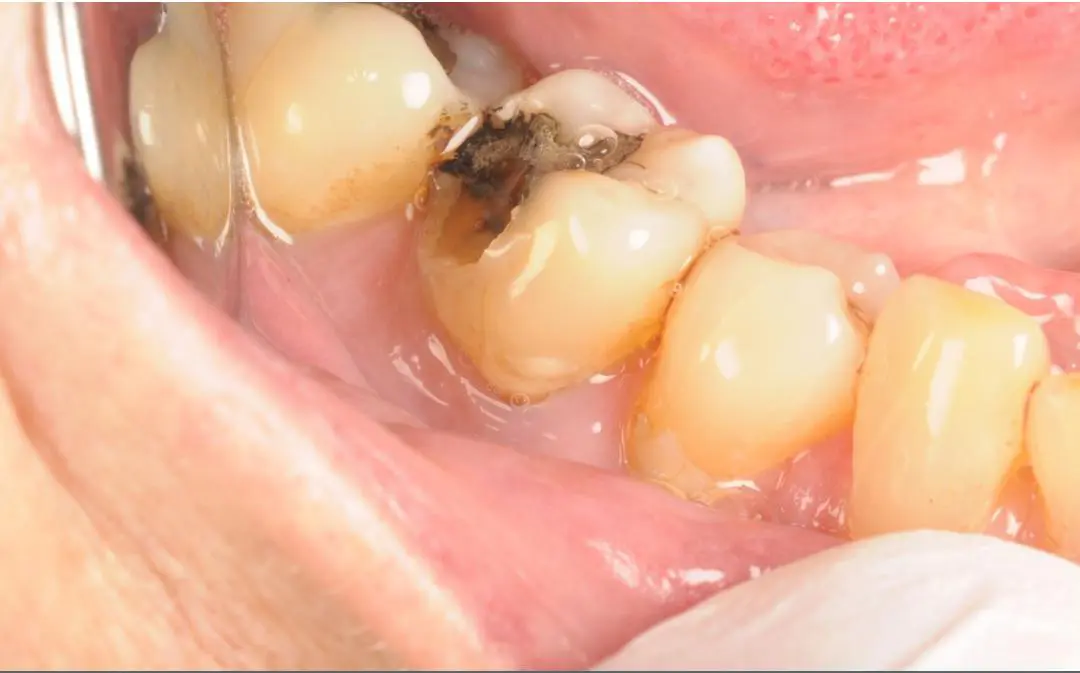
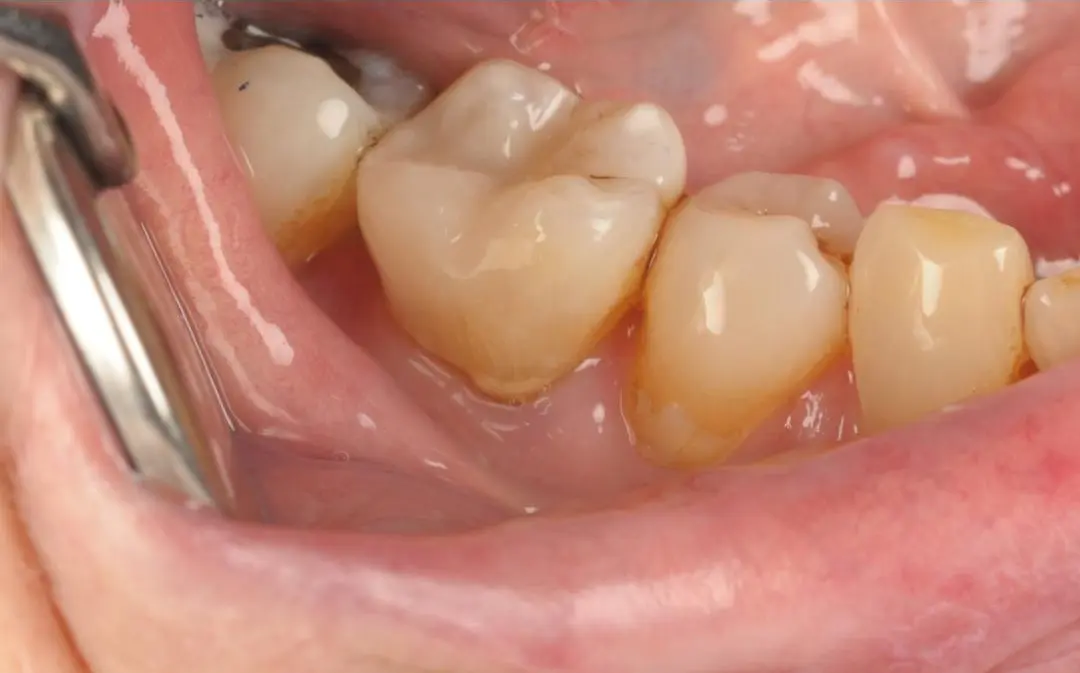
Real Patient Result: Emergency White Filling
Treatment by Dr Kamran
Pain when biting or chewing may suggest that the filling is moving within the cavity or that the underlying tooth structure has been compromised. Any signs of swelling, persistent bad taste, or discharge around the affected tooth could indicate secondary complications that require emergency dental care.
Additionally, if you have accidentally swallowed or are concerned you may have inhaled pieces of the loose filling, it's important to seek both dental and medical guidance as appropriate to your specific situation.
Treatment Options for Loose Amalgam Fillings
The approach to managing a loose amalgam filling depends on several factors, including the extent of loosening, the condition of the remaining tooth structure, and the overall oral health status. In some cases, a simple replacement of the existing amalgam filling may be the most appropriate solution.
However, if the tooth has experienced additional decay or structural damage, more comprehensive treatment may be necessary. This could include removing any compromised tooth structure and placing a larger restoration, or in some cases, considering alternative materials such as composite resin or ceramic inlays.
When significant tooth structure has been lost, dental crown treatment might be recommended to provide optimal protection and restore full function to the affected tooth. The choice of treatment approach depends on individual clinical factors that can only be properly assessed during a professional examination.
Some patients may also choose to replace amalgam fillings with tooth-coloured alternatives for aesthetic reasons, particularly if the filling is visible when smiling or speaking. Modern composite materials and ceramic restorations can provide excellent durability whilst offering a more natural appearance.
Preventing Future Filling Problems
Maintaining good oral hygiene practices forms the foundation of preserving any dental restoration. Regular brushing with fluoride toothpaste and daily flossing help prevent decay around filling margins, which is one of the primary reasons why restorations may fail over time.
Avoiding habits that place excessive stress on teeth can help extend the lifespan of amalgam fillings. This includes not using teeth to open packages, crack nuts, or bite non-food items. If you grind or clench your teeth, particularly during sleep, discussing protective options with your dentist may help preserve your restorations.
Regular dental check-ups allow for early detection of filling problems before they become symptomatic. Professional examinations can identify early signs of filling wear, marginal leakage, or surrounding decay that may not yet be noticeable to patients.
Being mindful of extreme temperature changes in foods and beverages can also help reduce thermal stress on restorations. Whilst it's not necessary to avoid hot or cold foods entirely, being aware of this factor can be part of an overall approach to maintaining oral health.
Key Points to Remember
• Amalgam fillings may become loose due to normal wear, age, thermal stress, or changes in tooth structure
• Professional assessment is important when experiencing sensitivity, rough edges, or visible changes to the filling
• Treatment options range from simple replacement to more comprehensive restorative approaches
• Good oral hygiene and regular dental check-ups help prevent future filling complications
• Early intervention often allows for more conservative treatment approaches
• Individual treatment needs can only be determined through clinical examination
Frequently Asked Questions
Can I temporarily manage a loose amalgam filling at home?
Whilst awaiting professional care, you can rinse gently with warm salt water and avoid chewing on the affected side. Over-the-counter pain relief may help with discomfort, but avoid attempting to adjust or remove the filling yourself. Professional assessment should be arranged promptly to prevent further complications.
How long do amalgam fillings typically last before requiring replacement?
Most amalgam fillings provide effective service for 10-15 years, though this can vary significantly based on factors such as filling size, location in the mouth, oral hygiene, and individual chewing habits. Regular dental examinations help monitor filling condition and identify when replacement may be beneficial.
Is it normal for an old amalgam filling to feel slightly loose?
Some minor changes in how a filling feels are normal as both the restoration and surrounding tooth structure age. However, noticeable looseness, sensitivity, or rough edges warrant professional evaluation to determine whether intervention is needed and prevent potential complications.
What happens if I swallow a piece of loose amalgam filling?
Small pieces of amalgam filling typically pass through the digestive system without causing problems. However, if you experience any concerning symptoms or have swallowed a large piece, it's advisable to contact both your dentist and GP for guidance based on your specific situation.
Can a loose amalgam filling cause damage to adjacent teeth?
A loose filling with sharp or rough edges could potentially cause minor wear to opposing teeth during chewing. Additionally, if the loose filling allows bacteria to accumulate, this could contribute to decay in surrounding areas. Professional assessment helps address these concerns appropriately.
Are there alternatives to replacing a loose amalgam filling with another amalgam restoration?
Modern dentistry offers several alternatives including composite resin fillings, ceramic inlays, or dental crowns depending on the extent of restoration needed. Your dentist can discuss the most appropriate options based on your individual clinical situation, preferences, and oral health goals.
Conclusion
Managing a loose amalgam filling requires understanding both the immediate steps to take and the importance of professional dental assessment. Whilst amalgam fillings are remarkably durable restorations, they can occasionally become loose due to various factors including normal wear, thermal stress, and changes in the surrounding tooth structure.
Recognising the signs that warrant professional evaluation—such as sensitivity, rough edges, or visible changes to the filling—enables timely intervention that can prevent more complex problems from developing. Modern dentistry offers various treatment approaches, from simple filling replacement to more comprehensive restorative options, depending on individual clinical needs.
Maintaining good oral hygiene practices, attending regular dental check-ups, and being mindful of habits that may stress dental restorations all contribute to preserving the longevity of amalgam fillings and overall oral health. Dental symptoms and treatment options should always be assessed individually during a clinical examination.
Disclaimer
This article is provided for educational purposes only and does not constitute professional dental or medical advice. Individual dental conditions and treatment requirements vary between patients and must be assessed by a qualified dental professional. This content should not be used to self-diagnose conditions, determine treatment, or delay seeking professional care. No guarantees are made regarding treatment outcomes. If you are experiencing dental symptoms, seek prompt assessment from a GDC-registered dental professional.