
A lip cut from a dental injury can be a distressing experience. Whether it happens during a fall, a sports accident, or an impact to the face, the combination of a split lip and potential tooth damage often leaves people feeling anxious and uncertain about what to do next. Because the lips have a rich blood supply, even a relatively small wound can bleed heavily, which understandably causes concern.
It is one of the most common reasons people search online for emergency dental guidance — trying to understand whether their lip cut from a dental injury needs stitches, whether the teeth have been damaged, and how urgently they need to see a professional. These are all perfectly reasonable questions, and understanding the basics can help you respond calmly and make informed decisions.
This article explains the causes of lip cuts related to dental injuries, the signs that may suggest stitches are needed, what to expect from professional assessment, and how to care for the wound during recovery. Knowing when to seek professional dental or medical advice can make a meaningful difference to healing outcomes. If you are ever unsure, it is always advisable to have the injury assessed by a qualified clinician.
Experiencing these symptoms?
Delaying treatment can lead to tooth loss. We have slots available today.
When Does a Lip Cut From a Dental Injury Need Stitches?
A lip cut from a dental injury may need stitches if the wound is deeper than a few millimetres, the edges of the skin do not come together naturally, bleeding does not stop after 10"–15 minutes of firm pressure, or the cut extends across the lip border (the vermilion border). A dental or medical professional should assess the injury to determine whether suturing is appropriate for optimal healing.
Common Causes of Lip Cuts Related to Dental Injuries
Lip lacerations associated with dental trauma can occur in a wide range of everyday situations. Understanding how these injuries typically happen can help put the experience into context.
Falls and impact injuries are among the most frequent causes. A trip or stumble — particularly on hard surfaces — can drive the teeth into the soft tissue of the lip on impact. Children and older adults may be especially susceptible, though this type of injury can happen to anyone.
Meet Dr. Yasha Shirazi
Principal Dentist at Emergency Dentist London
"We treat hundreds of dental emergencies every month. The sooner you come in, the easier the fix usually is."
Book an appointment with our team →Sports-related trauma is another common cause. Contact sports such as rugby, football, boxing, and hockey carry an inherent risk of facial injury. Even non-contact activities like cycling or skateboarding can result in falls that affect the mouth and lips.
Accidental biting during dental treatment, eating, or even during sleep can sometimes cause lip wounds, though these are usually less severe. However, if the bite occurs during a fall or seizure, the resulting laceration may be deeper.
Road traffic incidents and workplace accidents can also cause significant facial and dental trauma, often involving both soft tissue damage to the lips and structural damage to the teeth or jaw.
In many of these scenarios, the lip is caught between an external force and the teeth, which is why dental injuries and lip cuts so frequently occur together.
Signs That a Lip Cut May Need Stitches
Not every lip cut requires stitches. Many minor cuts heal well on their own with appropriate first aid and good wound care. However, certain characteristics of the wound may indicate that professional closure — typically with sutures — could support better healing.
Wound depth is one of the most important factors. Superficial grazes and shallow cuts often close naturally. Deeper lacerations that expose the underlying tissue layers may benefit from stitching to bring the wound edges together and reduce the risk of scarring.
Wound length matters as well. Cuts longer than approximately one to two centimetres may be more difficult for the body to close on its own, particularly if they are on a mobile area like the lip.
Bleeding that does not stop after 10 to 15 minutes of steady, firm pressure is a sign that the wound may need professional attention. Persistent bleeding may indicate that a blood vessel has been damaged.
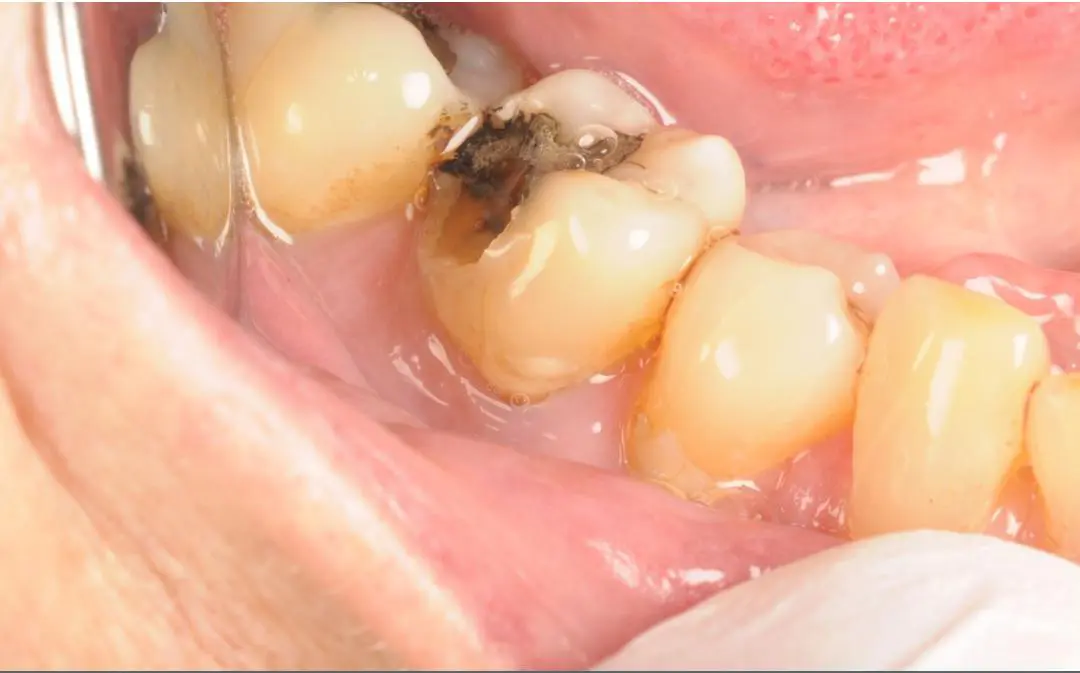
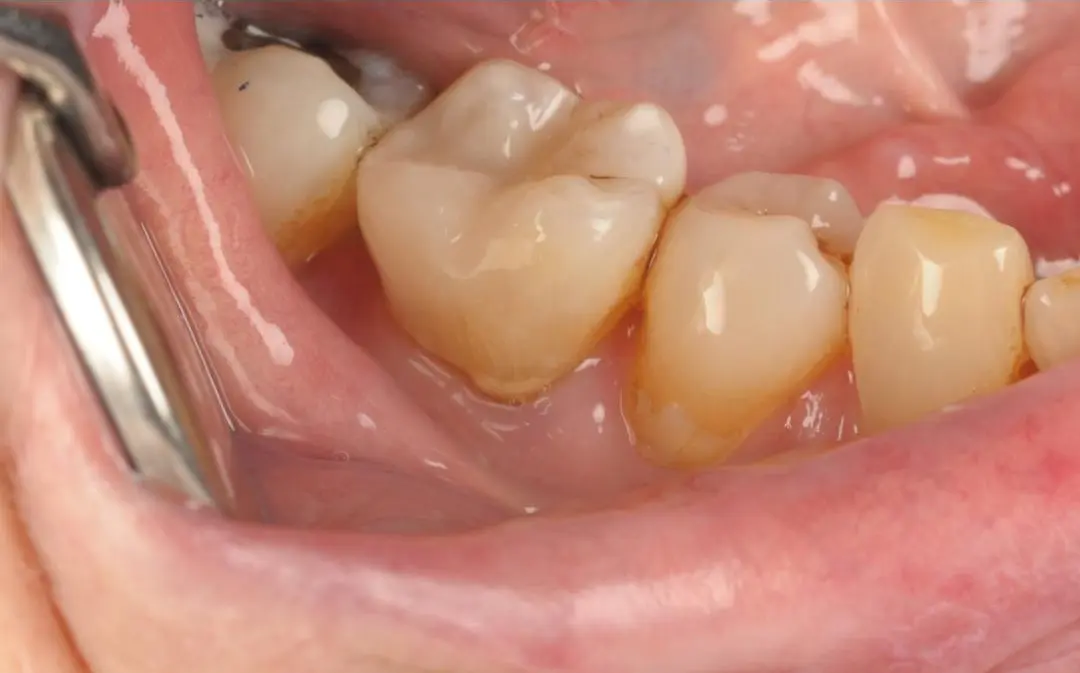
Real Patient Result: Emergency White Filling
Treatment by Dr Kamran
Gaping wound edges — where the sides of the cut do not naturally come together — are another important indicator. If you can see deeper tissue or fat beneath the skin, the wound likely needs closure.
Cuts that cross the vermilion border — the line where the coloured part of the lip meets the surrounding skin — generally benefit from precise suturing to ensure the border heals in proper alignment. Misalignment here can be cosmetically noticeable.
If any of these signs are present, it is sensible to seek a professional assessment promptly.
What Happens to the Lip Tissue During a Dental Injury
Understanding the anatomy of the lip can help explain why dental injuries often result in significant soft tissue damage and why some wounds heal differently from others.
The lips are composed of several tissue layers. The outermost layer is skin on the external surface, which transitions into the vermilion — the red or pink visible portion of the lip. Inside the mouth, the lip is lined with oral mucosa, a moist membrane that is continuous with the lining of the cheeks and gums.
Beneath these surface layers lies orbicularis oris, the muscle responsible for lip movement. This muscle is essential for speaking, eating, and facial expression. Deeper lacerations that extend into this muscular layer may require layered closure — where the muscle, tissue, and skin are each sutured separately — to restore both function and appearance.
The lips also contain a dense network of blood vessels and nerve endings, which explains both the heavy bleeding and the significant pain that can accompany even relatively small lip injuries. The rich blood supply does, however, generally support efficient healing, which is one reason why lip wounds — when properly managed — tend to recover well.
When a dental injury occurs, the teeth can act as a cutting surface against the lip. The upper front teeth, in particular, frequently cause lacerations to the inner surface of the upper or lower lip during an impact. In some cases, tooth fragments may become embedded in the lip tissue, which is why professional assessment is important to check for retained debris.
First Aid for a Lip Cut After a Dental Injury
Knowing what to do immediately after sustaining a lip cut from a dental injury can help manage the situation calmly and effectively while you arrange professional assessment.
Apply firm, gentle pressure to the wound using a clean cloth, gauze, or tissue. Maintain steady pressure for at least 10 to 15 minutes without repeatedly checking the wound, as this allows a clot to begin forming.
Clean the area gently once bleeding has slowed. If possible, rinse the wound with clean, lukewarm water to remove any visible dirt or debris. Avoid using alcohol-based solutions directly on the wound, as these can irritate the tissue.
Apply a cold compress to the outside of the lip to help manage swelling. Wrap ice or a cold pack in a cloth rather than applying it directly to the skin, and use it in intervals of around 10 minutes on and 10 minutes off.
Check the teeth. After addressing the lip wound, gently assess whether any teeth feel loose, chipped, or displaced. If a tooth has been knocked out, handle it by the crown (the visible part) rather than the root, and seek emergency dental care as soon as possible.
Avoid certain foods and activities in the hours following the injury. Hot drinks, spicy foods, and alcohol can increase blood flow to the area and may restart bleeding or increase discomfort.
If bleeding does not stop, the wound appears deep, or you are concerned about damage to the teeth or jaw, arrange a professional assessment without delay.
When Professional Dental Assessment May Be Needed
While many minor lip cuts can be managed with basic first aid, there are a number of situations where seeking a professional dental or medical assessment is appropriate. Recognising these signs can help ensure any underlying damage is identified and addressed.
You may wish to consider professional evaluation if:
- The lip cut is deep, long, or has gaping edges that do not close together
- Bleeding continues despite applying firm pressure for 15 minutes or more
- There is noticeable swelling that continues to worsen over several hours
- You suspect a tooth may be chipped, cracked, loosened, or missing
- There is numbness or tingling in the lip, chin, or gum area, which may suggest nerve involvement
- You notice debris, dirt, or a possible tooth fragment embedded in the wound
- The cut crosses the vermilion border of the lip
- There are signs of possible infection in the days following the injury, such as increasing redness, warmth, swelling, or discharge from the wound
- The injury involves the jaw, and you experience difficulty opening or closing the mouth
A dental professional can assess both the soft tissue injury and any underlying damage to the teeth, gums, or supporting bone structure. In some cases, imaging such as dental X-rays may be recommended to check for fractures or embedded fragments that are not visible on the surface.
It is worth remembering that early assessment often leads to more straightforward management. If you are unsure whether your injury warrants professional attention, it is generally better to have it checked.
How Lip Cuts From Dental Injuries Are Treated
The treatment for a lip cut depends on the severity of the wound, its location, and whether there is associated dental damage. A clinician will assess all of these factors during examination.
Minor cuts that are shallow and have edges that come together naturally may not require stitches. In these cases, the wound is cleaned thoroughly, and the patient is given aftercare advice to support healing at home. Adhesive wound closure strips may sometimes be used to hold the edges together.
Deeper lacerations typically require suturing. The wound is first cleaned to remove any debris or contamination. A local anaesthetic is administered to numb the area before stitching begins. If the cut extends through multiple tissue layers, the clinician may place internal (dissolvable) sutures to close the deeper layers before closing the skin surface.
Cuts across the vermilion border require particularly careful alignment during closure to ensure the lip border heals in its correct position. This is an area where precise technique matters for both function and appearance.
If the dental injury has also affected the teeth, a dentist can assess the damage concurrently. Treatment for chipped or broken teeth may be carried out at the same appointment or scheduled as a follow-up, depending on the clinical circumstances.
In cases where the wound is contaminated or the patient's tetanus vaccination is not up to date, additional medical measures may be recommended.
Recovery and Aftercare for Lip Stitches
Proper aftercare following lip sutures supports healing and helps reduce the risk of complications such as infection or excessive scarring. Your clinician will provide specific guidance tailored to your wound, but general principles are outlined below.
Keep the wound clean. Gently clean the area with water or a mild saline solution as directed. Avoid scrubbing or picking at the stitches, as this can disrupt the healing process.
Be mindful of eating and drinking. Soft foods are generally recommended in the first few days. Avoid very hot, very cold, spicy, or acidic foods that may irritate the wound. Using a straw may put tension on the stitches, so drinking directly from a cup is usually preferable.
Avoid touching or stretching the wound. Try to minimise wide mouth movements, excessive talking, or activities that place tension on the lip during the initial healing period.
Manage discomfort appropriately. Over-the-counter pain relief such as paracetamol may help manage mild to moderate discomfort. Your clinician will advise on suitable options.
Attend any follow-up appointments. Non-dissolvable sutures on the lip are usually removed within five to seven days. Leaving stitches in for too long can increase the risk of scarring, so it is important to attend the removal appointment.
Watch for signs of infection. If you notice increasing redness, swelling, warmth, discharge, or worsening pain around the wound, contact your dental practice or healthcare provider for advice.
Most lip wounds, when properly managed, heal well within one to two weeks. The rich blood supply to the lip area generally supports a good recovery.
Prevention and Reducing the Risk of Lip and Dental Injuries
While not all accidents can be prevented, there are practical steps that may help reduce the risk of lip cuts and dental injuries in various situations.
Wear a mouthguard during sports. A properly fitted mouthguard is one of the most effective ways to protect the teeth, lips, and soft tissues during physical activity. Custom-fitted mouthguards made by a dentist generally offer better protection and comfort than over-the-counter options.
Address dental alignment concerns. Teeth that protrude significantly may be more susceptible to impact during falls or accidents. If this is a concern, discussing orthodontic options with a dentist may be worthwhile.
Be cautious in environments with slip or trip hazards. Simple measures such as wearing appropriate footwear, keeping walkways clear, and using handrails on stairs can help reduce the risk of falls.
Supervise young children during active play. Children are particularly prone to falls that affect the face and mouth. While it is neither practical nor desirable to prevent all childhood bumps and scrapes, awareness of common hazards can help.
Use seatbelts and appropriate vehicle safety equipment. In road traffic situations, seatbelts and airbags significantly reduce the severity of facial injuries.
Maintain regular dental check-ups. While this does not directly prevent trauma, regular dental assessments ensure that any existing dental vulnerabilities — such as weakened teeth — are identified and managed, which can reduce the extent of damage if an injury does occur.
Key Points to Remember
- A lip cut from a dental injury is a common occurrence that can result from falls, sports injuries, accidents, or impacts to the face.
- Signs that a lip cut may need stitches include deep or gaping wounds, persistent bleeding, cuts longer than one to two centimetres, and lacerations that cross the vermilion border.
- Applying firm pressure, cleaning the wound gently, and using a cold compress are sensible first aid steps while arranging professional assessment.
- Both the soft tissue injury and any potential damage to the teeth should be assessed by a qualified professional.
- Proper aftercare, including keeping the wound clean and attending follow-up appointments, supports effective healing.
- Wearing a mouthguard during sports and maintaining good dental health are practical preventative measures.
Frequently Asked Questions
How do I know if my lip cut needs stitches after a dental injury?
A lip cut may need stitches if it is deep enough that you can see tissue beneath the skin surface, if the wound edges do not naturally come together, if bleeding continues after 10 to 15 minutes of firm pressure, or if the cut crosses the border between the coloured part of the lip and the surrounding skin. Wounds that are longer than approximately one to two centimetres may also benefit from closure. If you are unsure, it is advisable to have the wound assessed by a dental or medical professional who can evaluate the injury and recommend the most appropriate course of action.
Can a dentist treat a lip cut, or do I need to go to A&E?
A dentist is qualified to assess and manage soft tissue injuries to the lips, particularly when the injury is associated with dental trauma. Many dental practices that offer emergency appointments can evaluate both the lip wound and any damage to the teeth during the same visit. However, if the injury is severe, involves significant facial trauma, or is accompanied by heavy uncontrollable bleeding, difficulty breathing, or suspected jaw fracture, attending Accident and Emergency may be more appropriate. Your dentist can advise you if the injury requires referral to a hospital-based team.
How long does it take for a lip cut with stitches to heal?
Most lip lacerations that have been sutured begin to heal within the first week. Non-dissolvable stitches on the lip are typically removed after five to seven days. The wound usually continues to mature over the following weeks, with redness and slight firmness gradually resolving. Complete healing, including the fading of any scar, can take several months. The lips tend to heal relatively well due to their excellent blood supply. Following your clinician's aftercare instructions — including keeping the wound clean and avoiding excessive stretching of the lip — supports the healing process and may help minimise scarring.
What should I do if a tooth is also damaged when I cut my lip?
If you suspect that a tooth has been chipped, cracked, loosened, or knocked out during the same incident that caused the lip cut, it is important to seek dental assessment promptly. For a knocked-out adult tooth, handle it by the
Disclaimer
This article is for general educational purposes only and does not constitute professional dental advice, diagnosis, or treatment. Every patient's circumstances are unique; dental symptoms and treatment options should always be assessed during a clinical examination by a qualified dental professional. No specific outcomes are guaranteed. This content has been prepared in line with GDC, CQC, ASA CAP Code, and GMC communication standards. If you have concerns about your oral health, please contact a registered dentist.