
A lip cut from a fall is one of those unexpected injuries that can feel alarming in the moment, especially when it involves heavy bleeding or damage near the teeth. Whether it happened during exercise, a trip on the pavement, or an accident at home, many people find themselves searching online for immediate guidance on how to manage a bleeding lip and understand whether dental or medical attention may be needed.
This article explains what to do when you experience a lip cut from a fall, how to stop bleeding effectively, and how to care for the wound as it heals. We will also discuss the signs that may indicate underlying dental trauma—such as loosened or chipped teeth—that could require professional assessment. Understanding how to respond calmly and appropriately to a lip injury can make a significant difference in both comfort and recovery.
Facial injuries involving the lips and mouth area are common, and while many heal well with appropriate first aid, some situations benefit from a dental or medical evaluation. Knowing when to manage things at home and when to seek professional advice is important for your wellbeing.
Experiencing these symptoms?
Delaying treatment can lead to tooth loss. We have slots available today.
How Do You Stop Bleeding and Manage Care for a Lip Cut From a Fall?
If you have sustained a lip cut from a fall, begin by gently cleaning the area with cool water and applying firm but gentle pressure using a clean cloth or gauze for 10"–15 minutes. Avoid repeatedly removing the cloth to check the wound, as this may disrupt clot formation. If bleeding persists beyond 15"–20 minutes, or if there is visible damage to the teeth or gums, seeking professional dental or medical assessment is advisable.
Common Causes of Lip Cuts and Facial Injuries
Lip cuts resulting from falls are among the most frequently seen soft tissue injuries involving the face. The lips are particularly vulnerable because they lack the protective barrier that skin on other parts of the body provides. The tissue of the lips is thinner, more vascular, and sits directly over the teeth and jawbone, meaning even a relatively minor fall can result in a noticeable wound.
Common situations that may lead to a lip cut include:
Meet Dr. Yasha Shirazi
Principal Dentist at Emergency Dentist London
"We treat hundreds of dental emergencies every month. The sooner you come in, the easier the fix usually is."
Book an appointment with our team →- Tripping or slipping on uneven surfaces, wet floors, or stairs
- Sports-related falls, particularly in contact sports or cycling
- Falls in young children and older adults, who may be more prone to balance-related accidents
- Accidental impacts against hard surfaces such as tables, door frames, or pavements
In many cases, a lip injury from a fall may also involve contact between the lip and the teeth, which can cause a laceration on the inside of the lip or even result in a chipped or loosened tooth. This is why it is important to assess the full extent of the injury, not just the visible cut on the lip surface.
How to Stop Bleeding From a Lip Cut
When a lip cut occurs, bleeding can seem more dramatic than the injury itself due to the rich blood supply in the lip area. Understanding how to manage bleeding calmly and effectively is an important first step.
Immediate First Aid Steps
- Wash your hands thoroughly before touching the wound area.
- Rinse the cut gently with cool, clean water to remove any debris or dirt.
- Apply firm, steady pressure to the wound using a clean piece of gauze, a clean cloth, or a sterile dressing. Maintain this pressure for at least 10"–15 minutes without lifting the cloth to check.
- Use a cold compress wrapped in a cloth and held against the outside of the lip to help reduce swelling. Avoid applying ice directly to the skin.
- Keep your head elevated, as this may help slow blood flow to the area.
Most minor lip cuts will stop bleeding within 15"–20 minutes with consistent pressure. If the bleeding does not slow or stop after this time, it may be appropriate to seek professional medical or dental advice, as some deeper wounds may require closure with sutures or adhesive strips.
Avoid using antiseptic solutions inside the mouth unless specifically recommended by a healthcare professional, as some products may irritate the delicate oral tissues.
Caring for a Lip Cut as It Heals
Once the bleeding has stopped, ongoing wound care helps support healing and reduce the risk of infection. The lip area heals relatively quickly compared to many other parts of the body, but the constant movement involved in eating, drinking, and speaking can sometimes slow recovery.
Practical Aftercare Advice
- Keep the area clean by gently rinsing with warm water after meals.
- Avoid picking at any scabs that form, as this can reopen the wound and increase the risk of scarring.
- Apply a thin layer of petroleum jelly or a lip-safe moisturising balm to prevent the wound from drying out and cracking.
- Eat soft foods for the first few days to minimise irritation to the wound. Avoid spicy, acidic, or very hot foods and drinks.
- Stay hydrated but consider using a straw if drinking causes discomfort near the cut.
For cuts on the inside of the lip, gentle saltwater rinses (half a teaspoon of salt dissolved in a glass of warm water) may help keep the area clean. These can be used two to three times a day for the first few days after the injury.
Most superficial lip cuts heal within one to two weeks. However, if you notice increasing redness, swelling, warmth, or discharge from the wound, these may be signs of infection and professional advice should be sought.
Understanding the Oral and Dental Anatomy Involved
To understand why lip cuts from falls can sometimes involve dental concerns, it helps to know a little about the anatomy of the mouth and lip area.
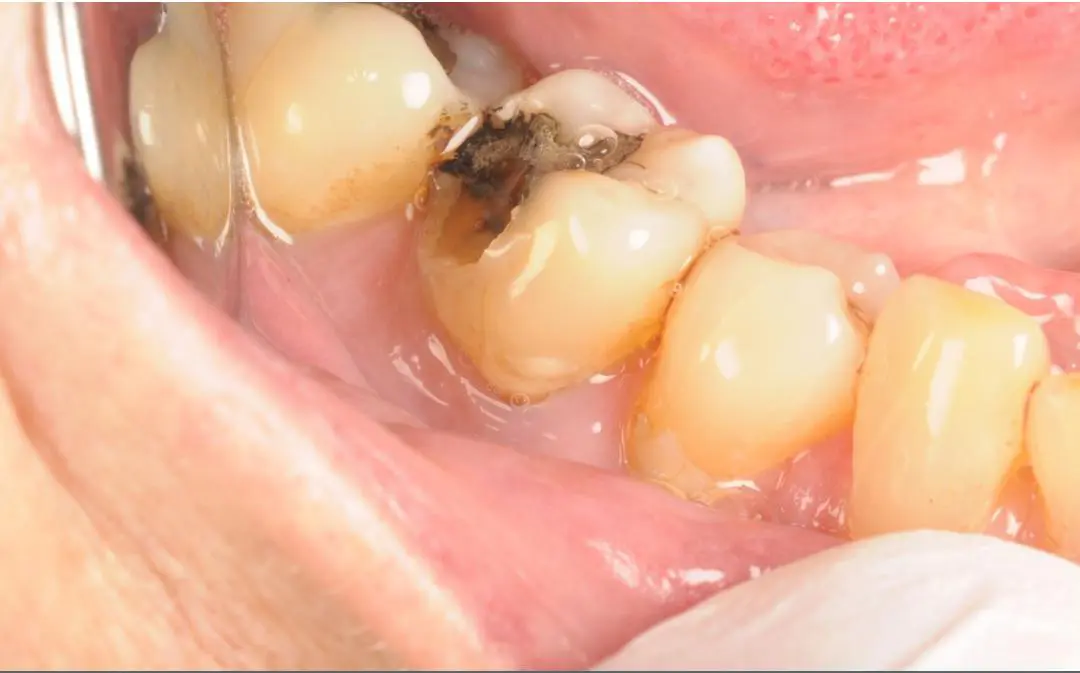
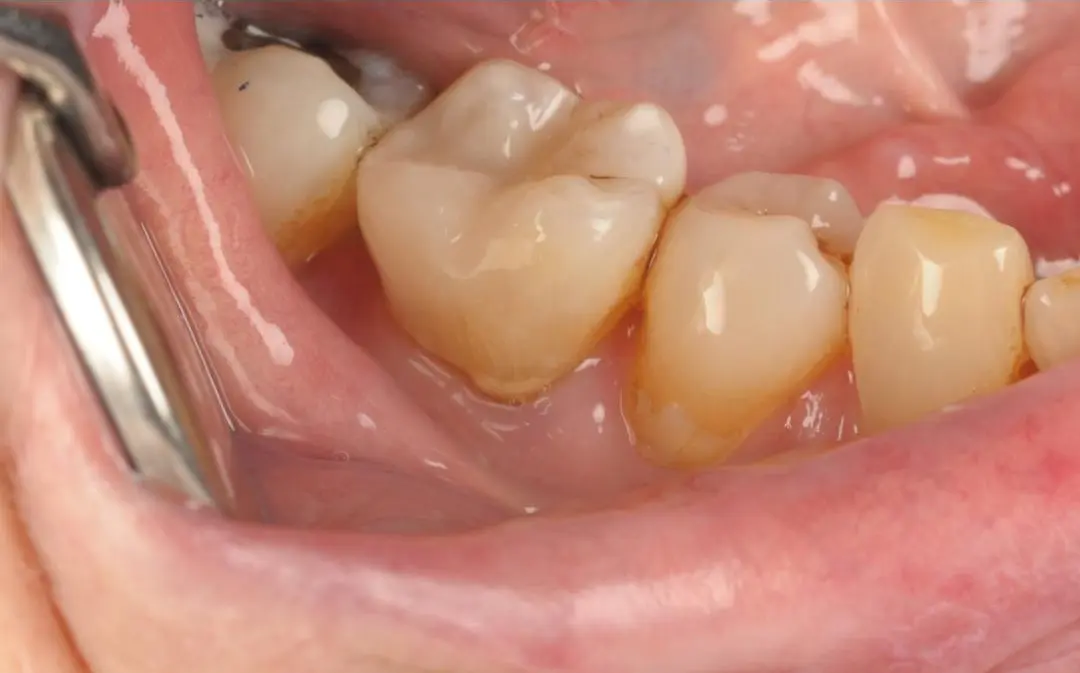
Real Patient Result: Emergency White Filling
Treatment by Dr Kamran
The lips are composed of several layers: the outer skin, a transitional zone called the vermilion border (the visible red portion of the lip), and the inner oral mucosa that lines the inside of the mouth. Beneath these layers lie muscles, blood vessels, and connective tissue. The rich network of blood vessels is the reason lip injuries tend to bleed heavily, even when the cut itself may be relatively small.
Directly behind the lips sit the teeth and alveolar bone (the bone that houses the tooth roots). When a fall causes the lip to be compressed against the teeth, the force can cause:
- Lacerations on the inner lip from the edges of the teeth
- Bruising or damage to the gums (gingival tissue)
- Chips, cracks, or fractures in the front teeth
- Loosening of teeth (dental luxation), particularly if the impact is significant
The labial frenum—the small fold of tissue connecting the inner lip to the gum—can also tear during a fall, which may cause additional bleeding but typically heals well without intervention.
Understanding this anatomy explains why a simple lip cut may sometimes be accompanied by dental symptoms that warrant further investigation.
When Professional Dental Assessment May Be Needed
While many lip cuts heal well with basic first aid, certain signs may suggest that a professional dental or medical evaluation could be beneficial. It is worth being aware of these indicators so you can make an informed decision about seeking care.
Consider seeking professional advice if you experience:
- Bleeding that does not stop after 15"–20 minutes of sustained pressure
- A deep or wide cut that may need closure (stitches or tissue adhesive)
- Visible damage to the teeth, such as chips, cracks, or teeth that appear displaced
- A tooth that feels loose or is painful when biting
- Numbness or tingling in the lip area that persists after the initial injury
- Signs of infection in the days following the injury, such as increasing pain, swelling, redness, or pus
- Difficulty opening or closing the mouth normally
- A cut that crosses the vermilion border (the line between the lip skin and the red lip area), as these may benefit from careful alignment during healing
If the fall involved an impact to the teeth, a dental professional can assess whether there is any underlying structural damage that may not be immediately visible. Some dental injuries, such as root fractures or damage to the tooth's blood supply, may only become apparent through clinical examination and dental imaging.
For urgent dental concerns, an emergency dentist appointment allows a clinician to evaluate both the soft tissue injury and any potential tooth damage in a single visit.
Prices shown in the video are indicative and may vary. A full treatment plan with associated costs will be provided following an individual clinical consultation.
Dental Injuries That Can Accompany a Lip Cut
A fall that causes a lip cut may also cause injury to the teeth, and it is not always immediately obvious. The adrenaline response following a fall can temporarily mask pain, meaning dental damage may only become noticeable hours later.
Types of Dental Trauma to Be Aware Of
- Chipped or fractured teeth: The front teeth (incisors) are most commonly affected. Small chips may be cosmetic, but larger fractures can expose the inner layers of the tooth, including the dentine or even the dental pulp (nerve).
- Loosened teeth (luxation): A significant impact may push a tooth slightly out of its normal position. The tooth may feel wobbly or tender when biting.
- Avulsed (knocked-out) teeth: In more severe falls, a tooth may be completely displaced from its socket. This requires prompt dental attention.
- Root fractures: These are not visible to the eye and can only be detected through dental X-rays. A tooth with a root fracture may appear normal but feel sensitive or uncomfortable.
If you have sustained a lip cut and are also experiencing tooth pain or sensitivity, it is sensible to have the area assessed. Early evaluation can help identify issues that may benefit from timely management.
Prevention and Oral Health Advice
While not all falls can be prevented, there are practical steps that may help reduce the risk of lip and dental injuries in everyday life.
Reducing the Risk of Falls and Facial Injuries
- Wear appropriate protective gear during sports and physical activities. Mouthguards, in particular, offer valuable protection for the teeth and soft tissues during contact sports and activities with a risk of falls.
- Ensure good lighting in your home, especially on stairs and in hallways, to reduce the risk of trips.
- Keep walkways clear of clutter, loose rugs, and trailing cables.
- Wear supportive footwear that provides good grip, particularly in wet or icy conditions.
- Address trip hazards promptly, both at home and in the workplace.
Maintaining Good Oral Health
Healthy teeth and gums are more resilient to trauma. Maintaining a consistent oral hygiene routine—including twice-daily brushing with a fluoride toothpaste and regular interdental cleaning—supports overall oral health. Attending routine dental check-ups allows your dentist to monitor your oral health and identify any areas that may benefit from attention.
If you participate in sports or activities where facial injury is a risk, speaking with your dentist about a custom-fitted mouthguard may be worthwhile.
Key Points to Remember
- A lip cut from a fall can bleed heavily due to the rich blood supply in the lip area, but most minor cuts respond well to basic first aid.
- Apply firm, gentle pressure with a clean cloth for 10"–15 minutes to help stop bleeding.
- Keep the wound clean and moisturised during healing, and eat soft foods to avoid irritation.
- Be aware that a fall involving the mouth area may also cause dental injuries such as chipped, cracked, or loosened teeth.
- Seek professional dental or medical advice if bleeding does not stop, if a deep wound may need closure, or if there are signs of dental damage or infection.
- Preventative measures, including wearing mouthguards during sports and maintaining good oral hygiene, can help protect against future injuries.
Frequently Asked Questions
How long does a lip cut from a fall usually take to heal?
Most superficial lip cuts heal within approximately one to two weeks. The lip area has an excellent blood supply, which supports relatively fast healing compared to other parts of the body. However, the healing time can vary depending on the depth and location of the cut, as well as individual factors such as general health and nutrition. Cuts on the inside of the lip, which remain moist, may heal slightly differently to those on the outer lip. If a wound appears to be healing slowly, shows signs of infection, or is causing ongoing discomfort, it is worth seeking professional advice to ensure the area is recovering as expected.
Should I go to A&E or a dentist for a lip cut?
This depends on the nature of the injury. If the cut is deep, will not stop bleeding, or involves significant facial trauma, attending A&E is appropriate. If the lip cut is accompanied by dental symptoms—such as a chipped, cracked, or loose tooth, or pain when biting—a dental assessment may be more suitable to evaluate both the soft tissue and dental components of the injury. In some cases, both medical and dental evaluation may be appropriate. If you are unsure, contacting NHS 111 can help guide your decision.
Can a lip cut cause permanent scarring?
Most minor lip cuts heal without noticeable scarring, particularly those on the inner lip where the mucosa regenerates effectively. However, deeper cuts on the outer lip—especially those that cross the vermilion border—may have a slightly higher risk of visible scarring if not carefully managed. Keeping the wound clean, avoiding picking at scabs, and applying a moisturising balm can support good cosmetic healing. If you are concerned about scarring from a facial injury, seeking professional advice for appropriate wound management is sensible.
How do I know if my tooth is damaged after a fall?
Dental damage is not always immediately obvious after a fall. Signs that may indicate tooth injury include sensitivity to hot or cold, pain when biting or chewing, a tooth that feels loose or appears out of position, visible chips or cracks, and discolouration of a tooth in the days or weeks following the injury. Some types of dental trauma, such as root fractures, can only be identified through professional examination and dental X-rays. If you have experienced a fall involving the mouth area, having a dental assessment can help identify or rule out underlying damage.
Is it normal for the lip to swell after a cut from a fall?
Yes, some degree of swelling is a normal part of the body's inflammatory response to injury. Swelling around the lip area typically peaks within the first 24"–48 hours and then gradually subsides. Applying a cold compress wrapped in a cloth during the first few hours can help manage swelling. If swelling continues to increase after 48 hours, is accompanied by increasing pain or warmth, or if you notice any discharge from the wound, these may be signs that professional evaluation would be beneficial.
Can I use antiseptic cream on a lip cut?
For cuts on the outer surface of the lip, a gentle antiseptic cream suitable for facial use may be applied. However, for cuts on the inner lip or inside the mouth, it is generally advisable to avoid antiseptic creams unless specifically recommended by a healthcare professional, as some formulations may irritate the delicate oral mucosa. Gentle saltwater rinses are typically a safe and effective way to keep the inside of the mouth clean during healing. If you are unsure about which products are appropriate, your pharmacist or dental professional can offer guidance.
Conclusion
A lip cut from a fall can be a distressing experience, but with calm and appropriate first aid, most minor injuries heal well within a couple of weeks. Understanding how to stop bleeding effectively, care for the wound during recovery, and recognise signs that may indicate dental involvement empowers you to respond confidently.
It is important to remember that falls affecting the mouth area can sometimes cause dental injuries that are not immediately visible, so paying attention to any changes in tooth sensation or appearance in the days following the injury is worthwhile. Maintaining good oral hygiene and attending regular dental check-ups supports overall resilience, and wearing protective equipment during sports can significantly reduce the risk of future injuries.
If you have any concerns about a lip injury, persistent symptoms, or possible dental damage following a fall, seeking professional advice is always a sensible step.
Dental symptoms and treatment options should always be assessed individually during a clinical examination.
Disclaimer
This article is for general educational purposes only and does not constitute professional dental advice, diagnosis, or treatment. Every patient's circumstances are unique; dental symptoms and treatment options should always be assessed during a clinical examination by a qualified dental professional. No specific outcomes are guaranteed. This content has been prepared in line with GDC, CQC, ASA CAP Code, and GMC communication standards. If you have concerns about your oral health, please contact a registered dentist.