
A chipped tooth is one of the most common dental concerns that patients experience, yet many people are unsure whether it requires prompt attention or can wait. Perhaps you bit down on something unexpectedly hard, took a knock during sport, or simply noticed a small piece of tooth has broken away. It is perfectly natural to wonder: is a chipped tooth serious?
This question leads thousands of people across London to search online for guidance each month. Understanding the severity of a chipped tooth, the potential complications, and the circumstances that warrant professional dental assessment can help you make informed decisions about your oral health.
In this article, we will explore the different types of chipped teeth, explain the underlying dental anatomy involved, discuss the treatment approaches a dentist may consider, and outline the signs that suggest you should seek a dental appointment. We will also cover practical steps you can take to protect your teeth and reduce the likelihood of chips occurring in the first place.
Experiencing these symptoms?
Delaying treatment can lead to tooth loss. We have slots available today.
Whether the chip is minor or more significant, having reliable information can help you feel more confident about your next steps.
Is a Chipped Tooth Serious?
A chipped tooth can range from a minor cosmetic issue to a more serious dental concern, depending on the size and location of the chip and whether the inner layers of the tooth are exposed. Small chips affecting only the enamel may not cause immediate pain, but larger chips that reach the dentine or pulp may require prompt dental assessment to help prevent infection or further damage.
What Causes a Chipped Tooth?
Chipped teeth can occur for a variety of reasons, and understanding the common causes may help you take steps to reduce your risk in the future.
Meet Dr. Yasha Shirazi
Principal Dentist at Emergency Dentist London
"We treat hundreds of dental emergencies every month. The sooner you come in, the easier the fix usually is."
Book an appointment with our team →Biting on hard objects is one of the most frequent causes. This includes foods such as hard sweets, ice, olive stones, or unpopped popcorn kernels. Using your teeth to open packaging or bottles can also place excessive force on the enamel.
Trauma or injury is another leading cause. Falls, sports injuries, or accidental knocks to the face can all result in a chipped or fractured tooth. Contact sports without a properly fitted mouthguard carry a higher risk.
Tooth decay weakens the structure of a tooth over time. When enamel has been compromised by decay, the tooth becomes more vulnerable to chipping, even under normal biting forces.
Bruxism, or habitual teeth grinding, places sustained pressure on the teeth, often during sleep. Over time, this can wear down enamel and increase the likelihood of chips and cracks.
Large existing fillings can sometimes weaken the remaining tooth structure, making it more susceptible to fracture under pressure.
Temperature changes — such as eating very hot food followed immediately by something very cold — may also contribute to micro-cracks that can develop into chips over time.
Understanding Tooth Anatomy: Why Chips Matter
To appreciate why a chipped tooth can sometimes be more than a cosmetic issue, it helps to understand the basic structure of a tooth.
Each tooth is made up of several layers. The outermost layer is enamel, the hardest substance in the human body. Enamel acts as a protective shield for the inner structures of the tooth. Beneath the enamel lies dentine, a softer, yellowish layer that forms the bulk of the tooth. Dentine contains microscopic tubules that connect to the innermost part of the tooth — the pulp.
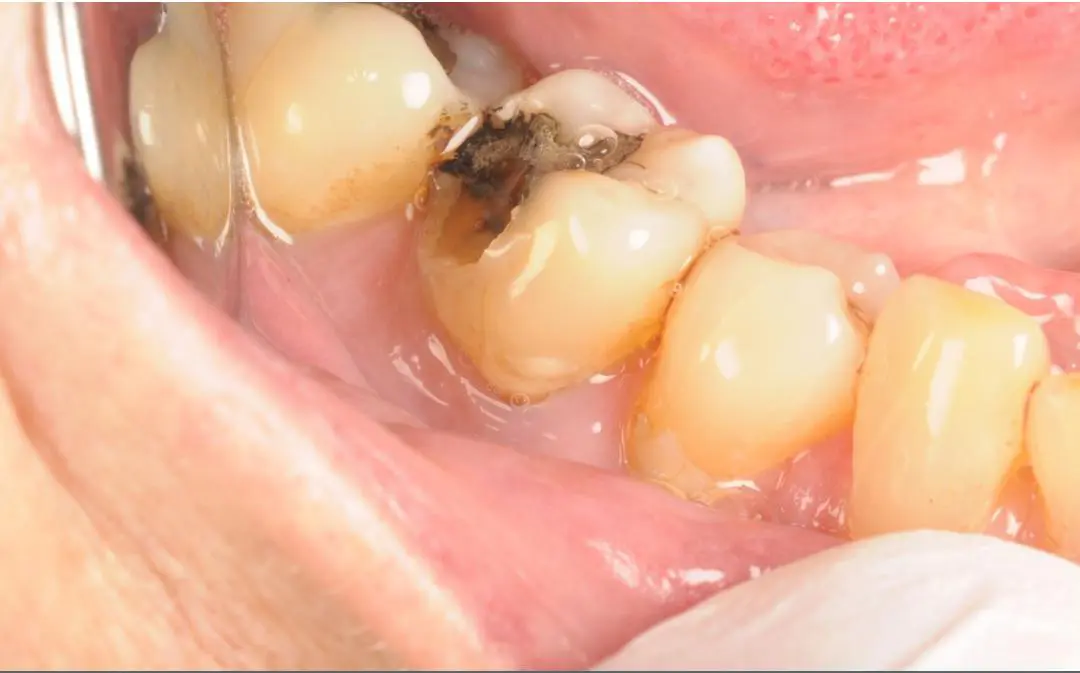
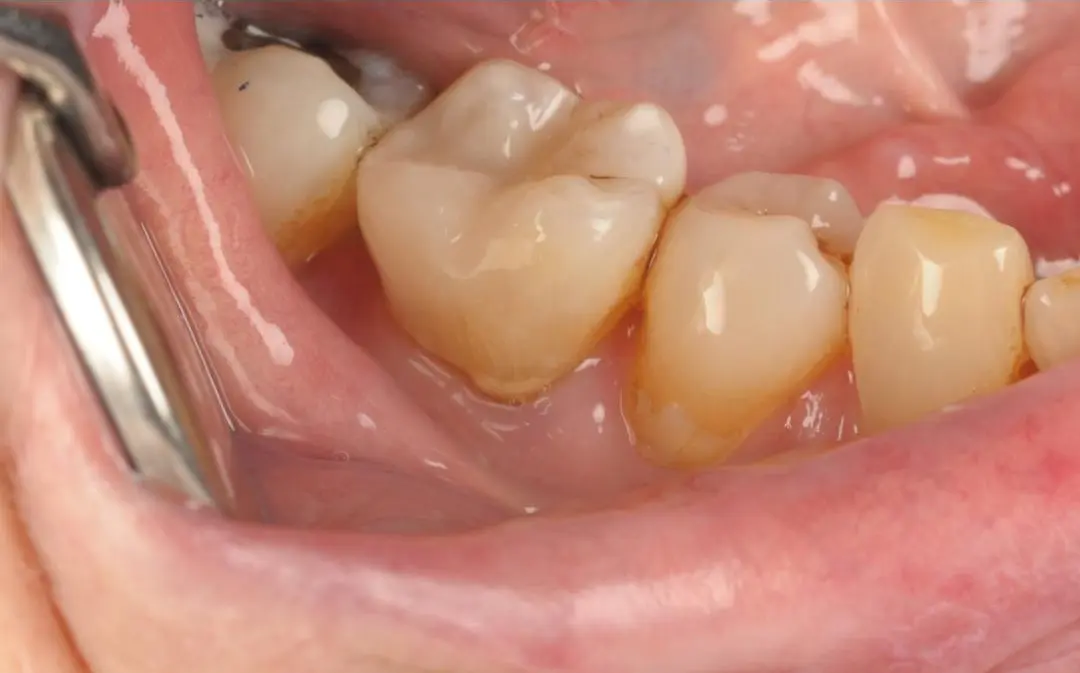
Real Patient Result: Emergency White Filling
Treatment by Dr Kamran
The pulp houses the tooth's nerve supply and blood vessels. It is responsible for keeping the tooth vital and healthy. Surrounding the root of the tooth beneath the gum line is a layer called cementum, which helps anchor the tooth within the jawbone.
When a chip affects only the enamel, the tooth may remain comfortable and free from sensitivity. However, when a chip extends into the dentine, patients may notice increased sensitivity to hot, cold, or sweet foods and drinks. If the chip reaches the pulp, this can potentially lead to infection, significant discomfort, and may require more involved treatment.
This is why the depth and extent of a chip are important factors that a dentist will assess during a clinical examination.
Types of Chipped Teeth: From Minor to More Significant
Not all chipped teeth are the same. The severity can vary considerably, and the appropriate response depends on the nature of the damage.
Minor Enamel Chips
These are small chips that affect only the outer enamel layer. They may create a slightly rough or uneven edge on the tooth but typically do not cause pain. While they may not require urgent attention, it is still worth having them assessed, as rough edges can irritate the tongue or cheek and may gradually worsen.
Moderate Chips Reaching the Dentine
When a chip extends beyond the enamel into the dentine, the tooth may become sensitive. The exposed dentine can allow external stimuli to reach closer to the nerve, which may cause discomfort when eating or drinking. These chips generally benefit from timely dental assessment.
Significant Fractures Involving the Pulp
Larger fractures that expose or come close to the pulp represent a more serious concern. These may be accompanied by noticeable pain, bleeding from the tooth, or visible discolouration. Prompt dental evaluation is typically recommended in these cases to explore appropriate treatment options and help prevent complications such as infection.
Chips with Associated Tooth Decay
In some cases, a chip may reveal or be associated with underlying tooth decay. When decay is present, the structural integrity of the tooth may be further compromised, and a dentist may need to address both the chip and the decay during treatment.
How Might a Dentist Treat a Chipped Tooth?
The treatment approach for a chipped tooth depends on several factors, including the size of the chip, the location of the affected tooth, whether any underlying damage is present, and the patient's individual oral health circumstances. Treatment suitability is always determined following a clinical examination.
Dental Bonding
For minor chips, a dentist may use composite bonding to reshape the tooth. This involves applying a tooth-coloured resin material to the affected area, which is then sculpted and hardened using a special light. Bonding is generally a straightforward procedure and can often be completed in a single appointment.
Dental Veneers
If a chipped front tooth affects the appearance of your smile, a porcelain veneer may be considered. Veneers are thin shells that are bonded to the front surface of the tooth to restore its shape and appearance. This option is typically discussed when the chip is visible and the patient wishes to improve the aesthetic outcome.
Dental Crowns
For more significant chips or fractures, a dental crown may be recommended. A crown covers the entire visible portion of the tooth, providing structural support and protection. This is often considered when a large portion of the tooth has been lost or when the remaining tooth structure is weakened.
Root Canal Treatment
If the pulp of the tooth has been exposed or has become infected as a result of the chip, root canal treatment may be necessary. This involves removing the damaged pulp tissue, cleaning and shaping the root canals, and sealing the tooth. A crown is often placed afterwards to protect the treated tooth.
Smoothing and Polishing
In the case of very minor chips that do not affect the dentine, a dentist may simply smooth and polish the rough edge. This can help prevent irritation to the soft tissues of the mouth and may be all that is needed.
When Professional Dental Assessment May Be Needed
While not every chipped tooth constitutes a dental emergency, there are certain situations where seeking a dental evaluation sooner rather than later may be beneficial.
Persistent or worsening pain following a chip may indicate that the damage extends beyond the enamel. If discomfort does not subside or increases over time, it is worth contacting a dental practice for guidance.
Noticeable sensitivity to hot, cold, or sweet foods and drinks can suggest that the dentine has been exposed. While mild sensitivity may settle, ongoing or sharp sensitivity should be assessed.
Visible damage to the tooth structure, particularly if a large piece of tooth has broken away, warrants prompt attention. The more tooth structure that is lost, the greater the potential for complications.
Swelling around the affected tooth or gum could suggest an inflammatory response or the early stages of infection. This is particularly relevant if the chip occurred some time ago and symptoms have developed gradually.
Bleeding from the tooth itself — rather than from the gum — may indicate pulp exposure and should be assessed promptly.
A sharp or jagged edge that is causing cuts or ulceration to the tongue, cheek, or lip is also a reason to seek dental advice, even if the chip itself is small.
If you are unsure whether your chipped tooth needs attention, contacting a dental practice for advice is always a sensible step. A brief conversation with the practice team can help you determine the most appropriate course of action.
What to Do Immediately After Chipping a Tooth
If you chip a tooth, there are a few practical steps you can take before seeing a dentist.
Rinse your mouth gently with warm water to clean the area and remove any small fragments of tooth.
If you can find the chipped fragment, store it in a clean container with a small amount of milk or saliva. In some cases, a dentist may be able to bond the fragment back onto the tooth, though this depends on the nature of the break.
Apply gentle pressure with clean gauze if there is any bleeding. This usually helps the bleeding to stop within a few minutes.
Avoid biting on the affected side to reduce the risk of further damage. Stick to softer foods where possible until you have been assessed.
If the chip has created a sharp edge, you can temporarily cover it with a small piece of sugar-free chewing gum or dental wax (available from most pharmacies) to protect the inside of your mouth from irritation.
Over-the-counter pain relief, taken according to the manufacturer's instructions, may help manage any discomfort in the short term.
Avoid very hot or very cold foods and drinks if the tooth is sensitive, as these may increase discomfort.
These steps can help manage the situation temporarily, but they are not a substitute for professional dental assessment.
Can a Chipped Tooth Lead to Complications?
Left unaddressed, a chipped tooth has the potential to develop complications over time. Understanding these possibilities can help you make informed decisions about seeking dental care.
When the protective enamel is breached, the underlying dentine becomes exposed to bacteria in the mouth. Over time, this can contribute to tooth decay developing at the site of the chip. Decay can progress into the deeper layers of the tooth if not identified and managed early.
If the chip is significant enough to expose or come close to the pulp, there is a risk of pulp infection (pulpitis). An infected pulp can lead to a dental abscess — a collection of pus that may cause swelling, pain, and general discomfort. In such cases, emergency dental treatment may be appropriate.
A chipped tooth may also be structurally weaker than before, meaning it is more susceptible to further fracture. What begins as a small chip can sometimes develop into a larger break if the tooth is subjected to continued biting forces.
Additionally, sharp or rough edges from a chip can cause chronic irritation to the tongue, cheeks, or lips, potentially leading to ulceration.
It is worth noting that not all chipped teeth will develop complications. Many minor chips remain stable and symptom-free. However, having any chip assessed by a dentist allows for early identification of potential concerns.
Prevention and Oral Health Advice
While it is not always possible to prevent a chipped tooth, there are several practical steps that may help reduce the risk.
Wear a mouthguard during contact sports. A properly fitted mouthguard provides a cushion that absorbs impact and helps protect the teeth from trauma. Custom-fitted mouthguards, made by a dentist, generally offer a better fit and greater protection than off-the-shelf options.
Avoid using your teeth as tools. Opening bottles, tearing packaging, or holding objects with your teeth places unnecessary stress on the enamel and increases the risk of chips and fractures.
Be mindful of hard foods. While you do not need to avoid all hard foods, being cautious with items such as hard sweets, ice, and unpopped kernels can help protect your teeth.
If you grind your teeth, speak to your dentist about a night guard. Bruxism is a common cause of gradual enamel wear and can make teeth more vulnerable to chipping.
Maintain regular dental check-ups. Routine examinations allow your dentist to identify weakened areas, early decay, or cracks before they develop into chips or fractures. Early intervention can help preserve tooth structure.
Practise good oral hygiene. Brushing twice daily with a fluoride toothpaste and cleaning between your teeth daily helps maintain strong, healthy enamel that is more resistant to damage.
Key Points to Remember
- A chipped tooth can range from a minor cosmetic issue to a more significant dental concern, depending on its severity and location.
- The depth of the chip matters — damage reaching the dentine or pulp may require prompt professional assessment.
- Treatment options vary and are determined by a dentist following a clinical examination, based on individual circumstances.
- Immediate first aid steps, such as rinsing the mouth and saving the fragment, can help before you see a dentist.
- Untreated chips may sometimes lead to complications such as decay, infection, or further fracture.
- Preventative measures, including mouthguards, avoiding hard foods, and regular dental check-ups, can help reduce the risk of chipped teeth.
Frequently Asked Questions
Can a chipped tooth heal on its own?
Unlike bone, tooth enamel does not have the ability to regenerate or heal itself once it has been damaged. A chipped tooth will remain chipped unless it is treated by a dental professional. Very minor chips may not cause symptoms and might only require monitoring, but the tooth structure will not repair naturally. This is why dental assessment is recommended even for small chips — a dentist can determine whether treatment is needed or whether the chip can be safely monitored over time.
Is a small chip on a tooth an emergency?
A very small chip that is not causing pain, sensitivity, or irritation is unlikely to constitute an immediate dental emergency. However, it is still advisable to arrange a dental appointment within a reasonable timeframe so that a dentist can examine the tooth and ensure no underlying damage is present. If the chip is accompanied by significant pain, bleeding, swelling, or a large piece of tooth has broken away, seeking prompt dental advice is recommended. Your dental practice can help you determine how urgently you need to be seen.
How much does it cost to repair a chipped tooth?
The cost of repairing a chipped tooth varies depending on the type and extent of treatment required. Simple procedures such as bonding or smoothing tend to be less costly than crowns or root canal treatment. As every case is different, the most accurate way to understand the potential cost is to attend a dental consultation where the dentist can assess the damage and discuss suitable treatment options along with their associated fees. Many practices offer transparent pricing information during the consultation process.
Can a chipped tooth become infected?
Yes, there is a possibility of infection, particularly if the chip exposes the inner layers of the tooth. When the dentine or pulp is exposed, bacteria from the mouth can enter the tooth and potentially cause an infection. Signs that may suggest infection include persistent throbbing pain, swelling, sensitivity to pressure, or a bad taste in the mouth. If you experience any of these symptoms following a chipped tooth, seeking dental advice promptly is recommended so that the tooth can be assessed and appropriate care can be discussed.
Should I go to A&E for a chipped tooth?
Hospital Accident and Emergency departments are generally not equipped to provide dental treatment. Unless you have experienced significant facial trauma, uncontrollable bleeding, or difficulty breathing or swallowing, a dental practice is typically the most appropriate place to seek care for a chipped tooth. Many dental practices in London, including those offering emergency appointments, can assess and treat chipped teeth more effectively than a hospital setting. If you are in significant pain outside of normal practice hours, NHS 111 can provide guidance on accessing out-of-hours dental services.
How can I prevent my teeth from chipping?
Reducing
Disclaimer
This article is for general educational purposes only and does not constitute professional dental advice, diagnosis, or treatment. Every patient's circumstances are unique; dental symptoms and treatment options should always be assessed during a clinical examination by a qualified dental professional. No specific outcomes are guaranteed. This content has been prepared in line with GDC, CQC, ASA CAP Code, and GMC communication standards. If you have concerns about your oral health, please contact a registered dentist.