
One of the most common concerns patients have when facing dental treatment is how long the process will take. Whether you have chipped a tooth unexpectedly, noticed a crack developing, or been told you need restorative work, the question of how long tooth repair takes is understandably at the forefront of your mind. Many people search online for answers before booking an appointment, wanting to know what to expect in terms of time, discomfort, and the number of visits involved.
The truth is that tooth repair timelines vary considerably depending on the type and extent of the damage, the treatment approach selected, and individual clinical factors. A small chip may be repaired in a single short appointment, whilst more complex restorations could involve multiple visits over several weeks. Understanding these differences can help you feel more prepared and less anxious about the process.
This article explains the various types of tooth repair, what influences how long each procedure may take, and when it may be appropriate to seek professional dental assessment. Our aim is to provide clear, practical information so you can approach your dental care with confidence.
Experiencing these symptoms?
Delaying treatment can lead to tooth loss. We have slots available today.
How Long Does Tooth Repair Take?
Tooth repair can take anywhere from 30 minutes to several weeks, depending on the type and severity of the damage. Minor repairs such as dental bonding for a small chip may be completed in a single appointment, whilst treatments like dental crowns or root canal therapy may require two or more visits. A dentist will assess the specific damage during a clinical examination to provide an accurate timeline for your individual case.
Common Types of Tooth Damage That May Require Repair
Teeth can become damaged in a number of ways, and understanding the type of damage is essential to estimating how long repair might take. Some of the most common forms of tooth damage include:
- Chips and minor fractures "– Often caused by biting on hard foods, accidental impacts, or general wear over time. These are typically surface-level and may be repaired relatively quickly.
- Cracks and splits "– These can vary in severity. A superficial craze line may not require urgent treatment, whilst a crack extending below the gum line may need more extensive intervention.
- Tooth decay and cavities "– When bacteria erode the enamel and dentine, the resulting cavity needs to be cleaned and filled. The size and depth of the cavity influence the complexity of the repair.
- Broken or lost fillings "– Existing restorations can deteriorate or fall out over time, leaving the tooth vulnerable and requiring prompt attention.
- Trauma or injury "– A knocked-out or severely displaced tooth following an accident requires immediate dental care.
Each of these scenarios demands a different clinical approach, and the time involved reflects the complexity of the damage.
Meet Dr. Yasha Shirazi
Principal Dentist at Emergency Dentist London
"We treat hundreds of dental emergencies every month. The sooner you come in, the easier the fix usually is."
Book an appointment with our team →Understanding Tooth Anatomy and Why Repair Times Vary
To appreciate why some tooth repairs take longer than others, it helps to understand basic tooth anatomy. Each tooth is composed of several layers:
- Enamel "– The hard, outer protective layer. It is one of the hardest substances in the human body but cannot regenerate once damaged.
- Dentine "– The layer beneath the enamel. It is softer and more sensitive, and when exposed through decay or fracture, it can cause discomfort.
- Pulp "– The innermost part of the tooth containing nerves and blood vessels. When damage reaches the pulp, the tooth may become painful or infected, potentially requiring root canal treatment.
- Cementum and periodontal ligament "– These structures anchor the tooth to the jawbone.
When damage is limited to the enamel, repairs tend to be straightforward and quick. However, when decay or fracture extends into the dentine or pulp, the treatment becomes more involved. A dentist needs to remove damaged tissue carefully, address any infection, and rebuild the tooth's structure in a way that restores both function and appearance.
This is why a small chip might be resolved in under an hour, whilst a tooth with deep decay may require a multi-stage treatment plan spanning several appointments.
How Long Do Specific Tooth Repair Treatments Take?
The duration of tooth repair depends largely on the treatment chosen. Below is a general guide to common procedures and their typical timelines. It is important to note that these are approximate estimates, and actual treatment times will vary based on individual clinical circumstances.
Dental Bonding
Dental bonding involves applying a tooth-coloured composite resin to repair chips, cracks, or gaps. It is one of the fastest cosmetic and restorative procedures available.
- Typical duration: 30"–60 minutes per tooth
- Number of visits: Usually one
- Recovery: Minimal; patients can generally eat and drink normally afterwards
Dental Fillings
Fillings are used to restore teeth affected by cavities. The dentist removes the decayed material, cleans the area, and fills the space with a suitable material such as composite resin or amalgam.
- Typical duration: 20"–60 minutes per filling
- Number of visits: Usually one
- Recovery: The tooth may feel slightly sensitive for a few days
Dental Crowns
A dental crown is a cap that covers the entire visible portion of a damaged tooth, restoring its shape, strength, and appearance. Crowns are often recommended for teeth that are significantly decayed, cracked, or weakened.
- Typical duration: Two appointments, each lasting 45"–90 minutes
- Number of visits: Usually two (one for preparation and impressions, one for fitting)
- Recovery: Some sensitivity is normal initially
Same-day crowns using digital technology (such as CEREC) are available at some practices, potentially reducing the process to a single visit.
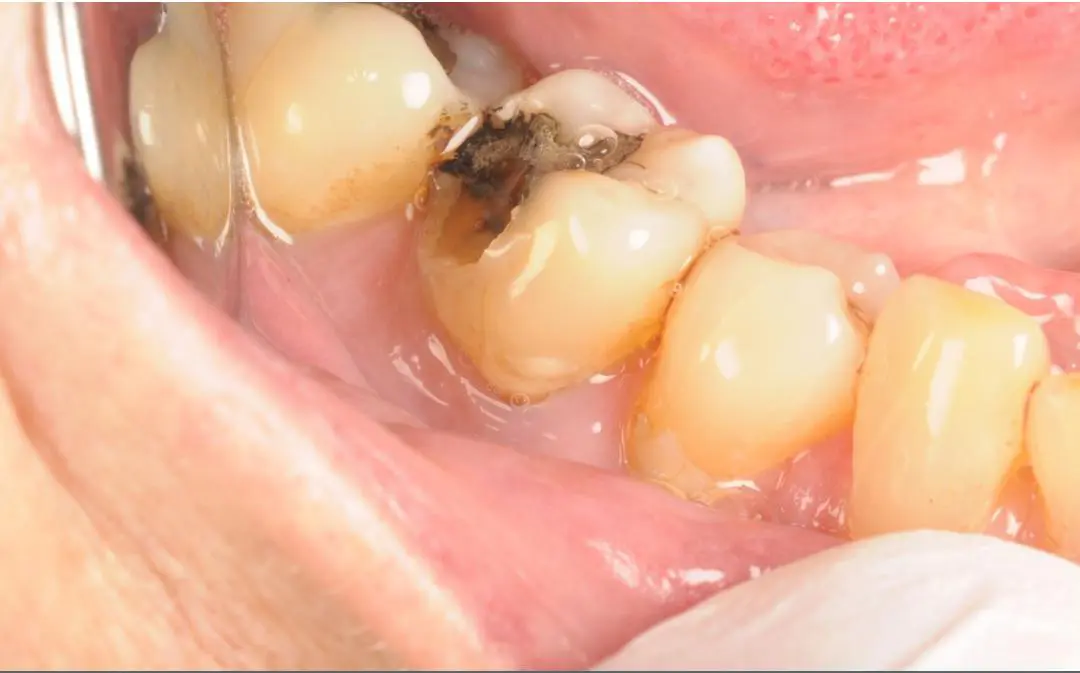
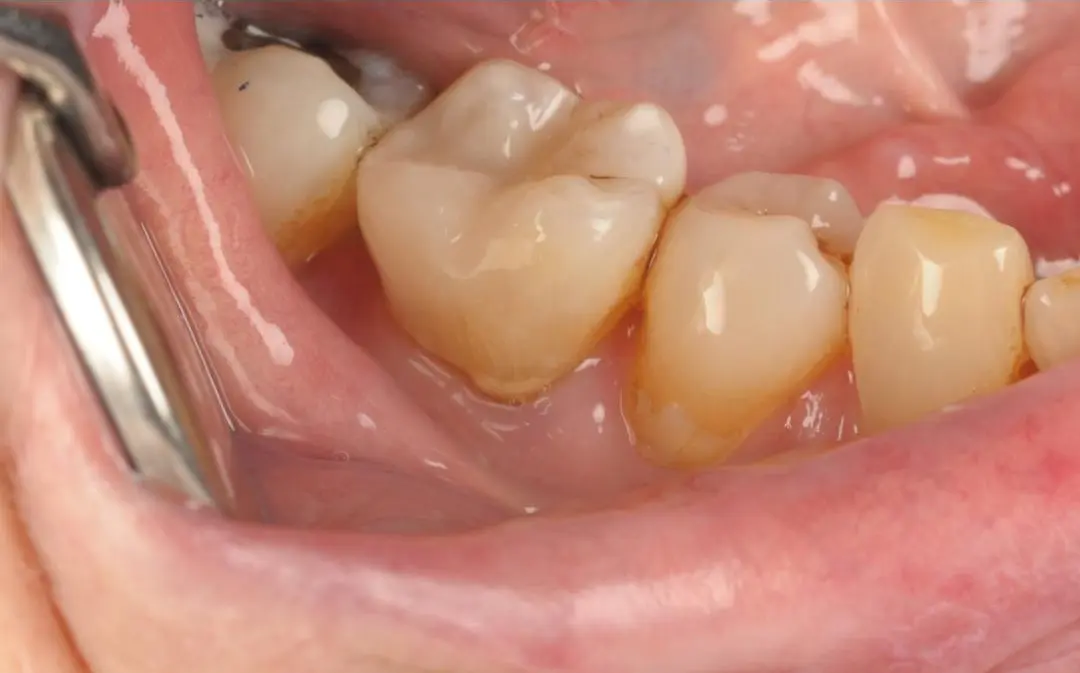
Real Patient Result: Emergency White Filling
Treatment by Dr Kamran
Root Canal Treatment
When infection or damage reaches the pulp of the tooth, root canal treatment may be necessary. This involves removing the infected pulp, cleaning and shaping the root canals, and sealing the tooth.
- Typical duration: 60"–90 minutes per session
- Number of visits: One to three, depending on the complexity
- Recovery: The tooth may be tender for several days; a crown is often placed afterwards for protection
Dental Veneers
Veneers are thin shells bonded to the front surface of teeth to improve their appearance. They can address chips, discolouration, and minor misalignment.
- Typical duration: Two appointments, each lasting approximately 60"–90 minutes
- Number of visits: Usually two
- Recovery: Minimal adjustment period
Tooth Extraction and Replacement
In cases where a tooth cannot be saved, extraction may be recommended. Replacement options such as dental implants, bridges, or dentures each have their own timelines, with implants typically requiring several months from placement to final restoration.
Factors That Influence How Long Your Tooth Repair Will Take
Beyond the type of procedure, several factors can affect the overall duration of your tooth repair:
- Severity of the damage "– More extensive damage generally requires longer or more complex treatment.
- Location of the tooth "– Back teeth (molars) can be harder to access and may take slightly longer to treat than front teeth.
- Presence of infection "– If an infection is present, it may need to be addressed with antibiotics before restorative work can begin, adding time to the overall process.
- Number of teeth affected "– Multiple teeth requiring repair will naturally extend the treatment timeline.
- Patient's general oral health "– Conditions such as gum disease may need to be managed before or alongside tooth repair.
- Laboratory work "– Some restorations, such as crowns and bridges, require fabrication by a dental laboratory, which typically takes one to two weeks.
Your dentist will discuss these factors with you during your consultation and provide a personalised treatment plan with realistic timeframes.
When Professional Dental Assessment May Be Needed
There are certain situations where seeking a dental evaluation sooner rather than later is advisable. If you experience any of the following, it may be appropriate to contact a dental professional:
- Persistent toothache that does not settle with over-the-counter pain relief
- Sensitivity to hot or cold foods and drinks that lingers after eating
- Visible damage such as a chip, crack, or broken tooth
- Swelling around the gum, jaw, or face
- A loose or knocked-out tooth following an injury
- A lost or broken filling leaving the tooth exposed
- Discolouration of a single tooth, which may indicate internal damage
These symptoms do not necessarily indicate a serious problem, but they warrant professional assessment to determine the cause and appropriate course of action. Early evaluation can often lead to simpler, faster treatment.
If you are experiencing a dental emergency, same-day appointments may be available to help address urgent concerns promptly.
Please note: Appointment fees and treatment costs may vary. A full treatment plan with associated costs will be provided following your consultation and clinical assessment.
Prevention and Maintaining Good Oral Health
Whilst not all tooth damage can be prevented, there are practical steps you can take to protect your teeth and reduce the likelihood of needing repair:
- Brush twice daily with a fluoride toothpaste, spending at least two minutes each time.
- Clean between your teeth daily using floss or interdental brushes to remove plaque from areas your toothbrush cannot reach.
- Limit sugary and acidic foods and drinks, which can weaken enamel over time.
- Wear a mouthguard during contact sports or if you grind your teeth at night (bruxism).
- Avoid using your teeth as tools "– opening bottles, tearing packaging, or biting hard objects such as ice or pen caps can cause chips and fractures.
- Attend regular dental check-ups, typically every six to twelve months, so that potential problems can be identified early.
- Address dental concerns promptly rather than waiting for symptoms to worsen.
Preventative care is consistently the most effective way to maintain oral health and avoid the need for more complex dental treatments. When issues are identified early, repairs tend to be quicker, less invasive, and more straightforward.
Key Points to Remember
- Tooth repair timelines vary from a single 30-minute appointment to a multi-visit process spanning several weeks, depending on the type and severity of damage.
- Minor repairs such as dental bonding and small fillings are typically completed in one visit.
- More complex treatments like crowns and root canals may require two or more appointments.
- Individual factors including the extent of damage, infection, and overall oral health influence treatment duration.
- Early assessment of dental symptoms can often lead to faster, simpler treatment outcomes.
- Preventative care including good oral hygiene and regular check-ups remains the best approach to reducing the need for tooth repair.
Frequently Asked Questions
Can a chipped tooth be repaired in one visit?
In many cases, yes. Minor chips can often be repaired using dental bonding, which involves applying a tooth-coloured composite resin directly to the affected area. This procedure is typically completed within a single appointment lasting around 30 to 60 minutes. However, the suitability of this approach depends on the size and location of the chip, as well as the overall condition of the tooth. Larger chips or those affecting the biting surface may require alternative treatments such as a veneer or crown, which could involve additional visits. A dentist will assess the damage and recommend the most appropriate option.
How long does a dental filling take to complete?
A standard dental filling usually takes between 20 and 60 minutes, depending on the size and location of the cavity and the filling material used. Most fillings are completed in a single appointment. Composite (tooth-coloured) fillings are applied in layers and hardened with a special light, which may take slightly longer than amalgam fillings. After the procedure, some temporary sensitivity is normal. Your dentist will advise you on aftercare, including when it is safe to eat and drink. If multiple fillings are needed, these may be completed across separate appointments for comfort.
Is tooth repair painful?
Modern dental techniques and anaesthetics are designed to make tooth repair as comfortable as possible. Local anaesthetic is used to numb the area during most restorative procedures, so you should not feel pain during treatment. Some patients experience mild sensitivity or tenderness after the anaesthetic wears off, which typically settles within a few days. Over-the-counter pain relief can usually manage any post-treatment discomfort. If you feel anxious about dental treatment, speak with your dentist beforehand, as additional support such as sedation options may be available depending on the practice.
How long does a root canal take from start to finish?
Root canal treatment typically requires one to three appointments, each lasting between 60 and 90 minutes. The total timeline depends on factors such as which tooth is affected (back teeth have more root canals than front teeth), the extent of infection, and whether a crown is needed afterwards. If a crown is required, this adds an additional one to two weeks for laboratory fabrication and a further fitting appointment. Throughout the process, the tooth may be temporarily sealed between visits. Your dentist will outline the expected timeline based on your specific clinical situation.
What happens if I delay getting a damaged tooth repaired?
Delaying treatment for a damaged tooth may allow the problem to progress. A small chip could develop into a larger crack, and untreated decay can spread deeper into the tooth, potentially reaching the pulp and leading to infection. What might have been a straightforward filling could eventually require root canal treatment or even extraction. Whilst not every instance of damage is urgent, it is generally advisable to have any concerns assessed by a dentist in a timely manner. Early intervention may result in less invasive treatment, shorter appointment times, and improved long-term outcomes for the tooth, though this depends on individual clinical circumstances.
How do I know if my tooth repair needs replacing?
Dental restorations such as fillings, crowns, and veneers do not last indefinitely. Signs that a restoration may need attention include sensitivity around the treated tooth, visible cracks or wear on the restoration, a rough or uneven surface when you run your tongue over it, or a filling that feels loose. Discolouration around the edges of a filling may also indicate that the seal has broken down. Regular dental check-ups allow your dentist to monitor existing restorations and identify any that may need replacing before problems develop. If you notice any changes, scheduling an appointment is advisable.
Conclusion
Understanding how long tooth repair takes can help you feel more prepared and confident about seeking dental care. Whether you need a quick fix for a minor chip or a more involved treatment for significant damage, being informed about the process and realistic timelines allows you to plan accordingly. The duration of tooth repair depends on the type of damage, the chosen treatment approach, and your individual oral health circumstances.
The most important step is to have any dental concerns assessed by a qualified professional who can provide personalised advice based on a thorough clinical examination. Early assessment often leads to simpler, faster solutions, and maintaining good oral hygiene habits can help protect your teeth for the long term.
Dental symptoms and treatment options should always be assessed individually during a clinical examination.
If you have concerns about a damaged tooth or would like to discuss your options, contacting a dental professional is a sensible first step towards getting the care you need.
Disclaimer
This article is for general educational purposes only and does not constitute professional dental advice, diagnosis, or treatment. Every patient's circumstances are unique; dental symptoms and treatment options should always be assessed during a clinical examination by a qualified dental professional. No specific outcomes are guaranteed. This content has been prepared in line with GDC, CQC, ASA CAP Code, and GMC communication standards. If you have concerns about your oral health, please contact a registered dentist.