
Severe tooth pain can be one of the most distressing experiences a person endures. Whether it strikes suddenly during the night or builds gradually over days, intense dental pain often leaves people searching online for answers — desperate to understand what is happening and how a dentist can help them find relief.
Understanding how dentists numb severe tooth pain quickly is important because it can ease anxiety about seeking urgent dental care. Many patients delay visiting a dentist due to fear of the procedure itself, not realising that modern pain management techniques are designed to provide rapid and effective comfort. Knowing what to expect can make all the difference when you are in distress.
This article explains the methods dentists use to manage and eliminate severe tooth pain during emergency and routine appointments. We will cover the types of anaesthesia available, what happens during a pain relief consultation, the dental science behind toothache, and when it may be appropriate to seek a professional dental assessment. Our aim is to provide you with clear, reliable information so you can approach dental care with confidence.
Experiencing these symptoms?
Delaying treatment can lead to tooth loss. We have slots available today.
How Do Dentists Numb Severe Tooth Pain Quickly?
Dentists numb severe tooth pain quickly by administering local anaesthesia directly to the affected area. This typically involves an injection of lidocaine or articaine near the tooth's nerve supply, which blocks pain signals within minutes. In cases of acute infection, additional techniques such as supplementary injections or sedation may be used to ensure the patient is comfortable before any treatment begins.
Common Causes of Severe Tooth Pain
Severe tooth pain rarely occurs without an underlying cause. Understanding what may be triggering your discomfort can help you communicate more effectively with your dentist and appreciate why prompt attention matters.
Dental decay is one of the most frequent causes. When bacteria erode through the enamel and reach the softer dentine layer beneath, the tooth becomes increasingly sensitive. If the decay progresses further and reaches the dental pulp — the inner chamber containing nerves and blood vessels — the pain can become intense and persistent.
Meet Dr. Yasha Shirazi
Principal Dentist at Emergency Dentist London
"We treat hundreds of dental emergencies every month. The sooner you come in, the easier the fix usually is."
Book an appointment with our team →Dental abscess is another common cause of severe pain. An abscess forms when bacterial infection creates a pocket of pus, either at the tip of the tooth root (periapical abscess) or in the surrounding gum tissue. This can cause throbbing, constant pain that may radiate to the jaw, ear, or neck.
Other causes include cracked or fractured teeth, which expose sensitive inner structures to temperature changes and biting pressure, and advanced gum disease, which can lead to loosening of teeth and deep infection. Occasionally, severe pain may follow dental trauma from an accident or injury.
Whatever the cause, a clinical examination is necessary to determine the precise origin of pain and the most appropriate course of action.
How Local Anaesthesia Works to Numb Tooth Pain
Local anaesthesia is the primary method dentists use to numb severe tooth pain quickly. It is safe, well-established, and highly effective for the vast majority of patients.
The most commonly used anaesthetic agents in UK dental practice are lidocaine and articaine. These work by temporarily blocking sodium channels in nerve fibres, which prevents pain signals from travelling along the nerve to the brain. Within two to five minutes of injection, the area around the tooth becomes numb, allowing the dentist to examine and treat the tooth without causing discomfort.
The injection is usually administered using a fine-gauge needle, and many dentists apply a topical anaesthetic gel to the gum beforehand to minimise the sensation of the needle itself. Modern dental syringes are designed for slow, controlled delivery, which significantly reduces injection discomfort.
For teeth in the lower jaw, a technique called an inferior alveolar nerve block is often used. This numbs the entire lower quadrant on one side, including the teeth, lower lip, and part of the tongue. For upper teeth, infiltration anaesthesia is typically sufficient, where the anaesthetic is deposited directly near the tooth root.
Your dentist will always check that adequate numbness has been achieved before proceeding with any treatment.
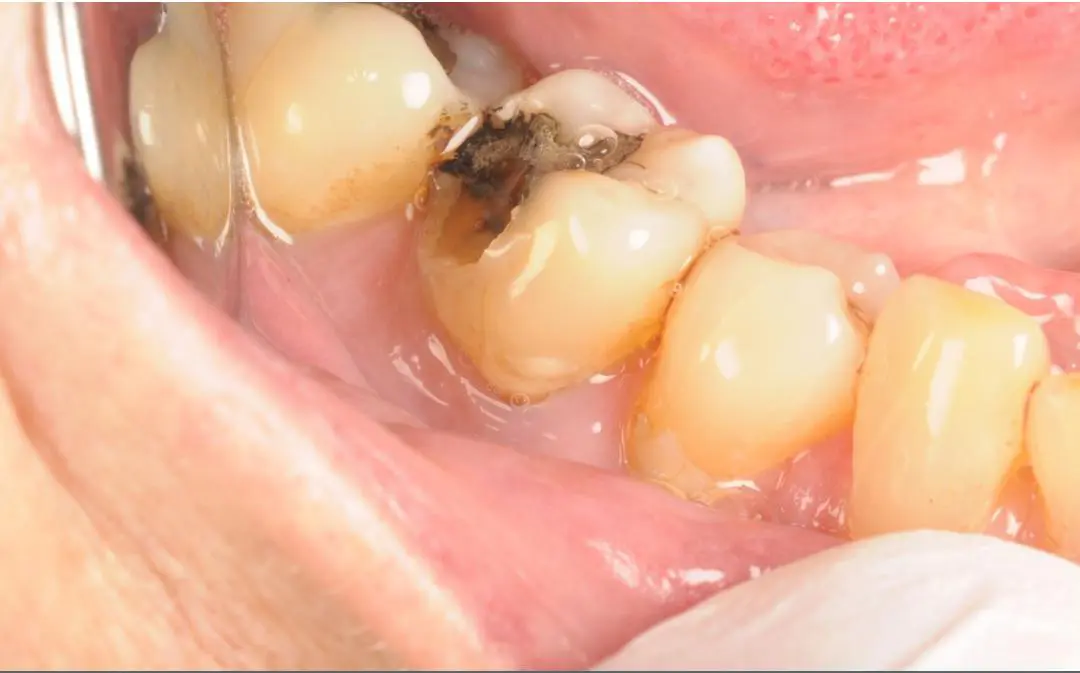
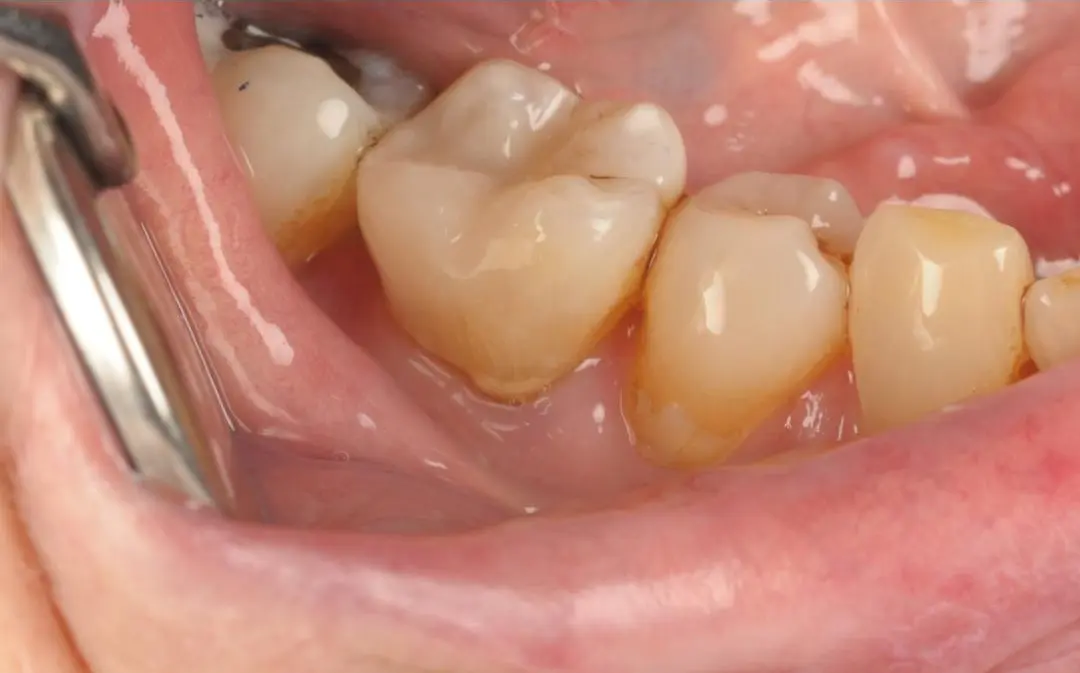
Real Patient Result: Emergency White Filling
Treatment by Dr Kamran
The Dental Science Behind Toothache
To understand why tooth pain can be so severe, it helps to know a little about tooth anatomy.
Each tooth has several layers. The outermost layer is enamel, the hardest substance in the human body. Beneath the enamel lies dentine, a porous, sensitive layer that contains thousands of microscopic tubules leading towards the centre of the tooth. At the core is the dental pulp, a soft tissue chamber housing nerves, blood vessels, and connective tissue.
When enamel is intact, it acts as a protective shield. However, once decay, a crack, or erosion breaches this barrier, the dentine tubules become exposed. External stimuli — such as hot or cold drinks, sweet foods, or even air — can travel through these tubules and stimulate the nerve endings within the pulp, producing sharp or lingering pain.
If bacteria penetrate all the way to the pulp, pulpitis (inflammation of the pulp) occurs. In the early stages, this may be reversible with prompt treatment. However, if the infection progresses, the pulp tissue may become irreversibly damaged, leading to intense, spontaneous pain that can wake you from sleep. Eventually, the infection can spread beyond the tooth root, forming an abscess and potentially affecting surrounding bone and soft tissue.
This is why early dental assessment is so valuable — addressing problems before they reach the pulp can prevent a great deal of pain and more complex treatment.
Techniques Dentists Use for Rapid Pain Relief
Beyond standard local anaesthesia, dentists have several additional techniques available to manage severe tooth pain effectively.
Supplementary Injections
In some cases, particularly when there is active infection, standard anaesthesia may be less effective because inflammation changes the local tissue pH, reducing the anaesthetic's efficacy. Dentists can address this with supplementary techniques such as:
- Intraligamentary injections — anaesthetic is delivered directly into the periodontal ligament surrounding the tooth
- Intrapulpal injections — in rare cases, anaesthetic may be placed directly into the exposed pulp during treatment
- Buccal infiltration — additional injections around the affected area to enhance numbness
Sedation Options
For patients who are particularly anxious or where pain management is complex, conscious sedation may be offered. This typically involves inhalation sedation (nitrous oxide) or intravenous sedation, both of which help patients relax while remaining responsive. Sedation is always administered alongside local anaesthesia and is carried out under careful clinical supervision.
Emergency Pulp Treatment
When severe pain is caused by irreversible pulpitis or abscess, a dentist may perform an emergency pulpotomy or begin root canal treatment to remove the infected pulp tissue. This directly addresses the source of pain and often provides significant relief at the first appointment.
What to Expect During an Emergency Dental Visit
Knowing what happens during an emergency dental appointment can help reduce anxiety if you are experiencing severe tooth pain.
Upon arrival, the dental team will typically take a brief medical and dental history, asking about the nature, duration, and severity of your pain. They may also enquire about any medications you are taking and whether you have any allergies, particularly to anaesthetic agents.
A clinical examination follows, during which the dentist will visually assess the affected tooth and surrounding tissues. Diagnostic tests may include gentle tapping on teeth (percussion testing), temperature sensitivity tests, and dental X-rays to evaluate the tooth root, surrounding bone, and any signs of infection.
Once the cause of pain has been identified, the dentist will explain their findings and discuss the available treatment options with you. Informed consent is always obtained before any procedure begins.
The dentist will then administer local anaesthesia and confirm that the area is fully numb before starting treatment. Throughout the procedure, you are encouraged to communicate with the dental team if you experience any discomfort. Additional anaesthesia can be given at any time.
Most emergency dental appointments focus on relieving pain and stabilising the situation. Follow-up treatment may be arranged to complete definitive care.
When Professional Dental Assessment May Be Needed
While mild, fleeting tooth sensitivity is relatively common and may resolve on its own, certain symptoms suggest that a professional dental evaluation would be advisable. Recognising these signs can help you seek timely care.
Consider contacting a dental practice if you experience:
- Persistent or worsening toothache lasting more than one to two days
- Spontaneous pain that occurs without any obvious trigger
- Pain that disturbs sleep or is not adequately managed with over-the-counter painkillers
- Swelling of the face, gum, or jaw
- A bad taste in the mouth, which may indicate the presence of infection
- Fever or feeling generally unwell alongside dental pain
- Pain following dental trauma, such as a knock or fall
These symptoms do not necessarily indicate a serious condition, but they warrant clinical assessment to rule out infection or other complications that may benefit from prompt treatment.
If you are unsure whether your symptoms require urgent attention, contacting a dental practice for advice is always a reasonable step. The dental team can help you determine whether a same-day or routine appointment is most appropriate.
Managing Tooth Pain Before Your Dental Appointment
If you are waiting for a dental appointment, there are some practical measures that may help manage discomfort in the short term. These are not substitutes for professional treatment, but they may provide temporary relief.
Over-the-counter painkillers such as ibuprofen and paracetamol can be effective for dental pain when taken according to the manufacturer's instructions. Ibuprofen has anti-inflammatory properties that may be particularly helpful when swelling is present. Always check for contraindications and consult a pharmacist if you are unsure.
Avoiding very hot, cold, or sweet foods and drinks may reduce stimulation of the affected tooth. Some patients find that resting with their head slightly elevated helps reduce throbbing pain.
Saltwater rinses — half a teaspoon of salt dissolved in warm water — can help keep the area clean and may provide mild soothing relief, particularly if there is gum swelling.
It is important to avoid placing aspirin directly against the gum, as this can cause chemical burns to the soft tissue. Similarly, avoid self-prescribing antibiotics; these should only be taken when prescribed by a qualified clinician following a proper assessment.
These measures are intended as short-term support. Seeking professional dental care remains the most reliable way to address the underlying cause of severe tooth pain.
Prevention and Oral Health Advice
While not all causes of severe tooth pain are preventable, good oral hygiene and regular dental care can significantly reduce the risk of many common dental problems.
Brushing twice daily with a fluoride toothpaste is the foundation of good oral health. Use a soft-bristled or medium-bristled brush, and spend at least two minutes cleaning all surfaces of your teeth. Cleaning between teeth daily — using interdental brushes or floss — removes plaque and food debris from areas your toothbrush cannot reach.
Limiting sugary foods and acidic drinks helps protect enamel from erosion and reduces the risk of decay. If you do consume acidic foods or beverages, waiting at least 30 minutes before brushing allows the enamel to remineralise.
Attending regular dental check-ups allows your dentist to detect early signs of decay, gum disease, or structural damage before they progress to the point of causing pain. The frequency of check-ups varies depending on individual risk factors, and your dentist can advise on the most suitable interval for you.
If you participate in contact sports, wearing a professionally fitted mouthguard can help protect your teeth from trauma-related damage.
Prevention is always preferable to treatment, and investing in daily oral care is one of the most effective steps you can take for your long-term dental health.
Key Points to Remember
- Dentists numb severe tooth pain quickly using local anaesthesia, which blocks nerve signals within minutes of injection.
- Topical anaesthetic gel is often applied before the injection to minimise discomfort from the needle.
- Supplementary techniques are available if standard anaesthesia is less effective due to infection or inflammation.
- Severe or persistent tooth pain should be assessed by a dental professional to identify the underlying cause.
- Good oral hygiene and regular dental visits are the most effective ways to reduce the risk of dental emergencies.
- Treatment suitability is always determined on an individual basis following a clinical examination.
Frequently Asked Questions
How long does dental numbing last after an injection?
The duration of numbness depends on the type and amount of anaesthetic used, as well as the technique employed. Typically, numbness from a standard dental injection lasts between two and four hours. An inferior alveolar nerve block, commonly used for lower teeth, may produce numbness lasting up to five hours. Your dentist will advise you on what to expect. During this period, it is sensible to avoid eating on the numb side to prevent accidentally biting your lip or cheek.
Will the anaesthetic injection be painful?
Most patients experience only mild discomfort during a dental injection. Dentists routinely apply a topical numbing gel to the gum before administering the injection, which significantly reduces the sensation. Modern dental needles are extremely fine, and the anaesthetic is delivered slowly to minimise pressure and discomfort. If you are anxious about injections, let your dental team know — they can take additional steps to make the experience as comfortable as possible, including offering sedation where appropriate.
Can a dentist numb a tooth that is already infected?
Yes, though teeth with active infection can sometimes be more challenging to numb effectively. This is because the acidic environment created by infection can reduce the effectiveness of local anaesthetic agents. In such cases, dentists may use supplementary injection techniques, administer additional anaesthetic, or in some situations, prescribe a short course of antibiotics before definitive treatment. Rest assured that your dentist will not proceed with treatment until adequate pain control has been achieved.
What should I do if my tooth pain returns after treatment?
Some mild discomfort following dental treatment is normal and usually resolves within a few days. Over-the-counter painkillers taken according to the recommended dosage can help manage this. However, if pain increases significantly, is accompanied by swelling or fever, or does not improve after several days, you should contact your dental practice for further advice. Persistent symptoms may indicate that additional treatment is needed, and your dentist will be able to reassess the situation.
Is it safe to take painkillers before a dental appointment?
Taking over-the-counter painkillers such as paracetamol or ibuprofen before your appointment is generally considered safe for most adults. However, it is important to inform your dentist about any medications you have taken, including the type, dosage, and timing. This allows them to manage your care safely and avoid any potential interactions. If you are taking prescription medications or have underlying health conditions, consulting your dentist or pharmacist beforehand is advisable.
Are there alternatives to injections for numbing tooth pain?
While injections remain the most reliable and widely used method for achieving dental anaesthesia, some alternatives exist for specific situations. Topical anaesthetic gels can numb superficial gum tissue and are useful for minor procedures. Computer-controlled anaesthetic delivery systems offer a more gradual injection with reduced discomfort. For patients with significant dental anxiety, conscious sedation can complement local anaesthesia to improve the overall experience. Your dentist can discuss which options may be suitable for your individual needs.
Conclusion
Severe tooth pain is a common reason people seek urgent dental care, and understanding how dentists numb tooth pain quickly can provide reassurance during what is often a stressful time. Modern local anaesthesia techniques are highly effective, and dentists have a range of supplementary methods available to ensure patient comfort even in challenging clinical situations.
If you are experiencing persistent or severe dental pain, seeking a professional assessment is the most reliable path to relief. Early intervention can often prevent the need for more complex treatment and helps protect your long-term oral health.
Maintaining good daily oral hygiene, attending regular dental check-ups, and
Disclaimer
This article is for general educational purposes only and does not constitute professional dental advice, diagnosis, or treatment. Every patient's circumstances are unique; dental symptoms and treatment options should always be assessed during a clinical examination by a qualified dental professional. No specific outcomes are guaranteed. This content has been prepared in line with GDC, CQC, ASA CAP Code, and GMC communication standards. If you have concerns about your oral health, please contact a registered dentist.