
Many people enjoy chewing ice cubes, particularly during warm weather or when feeling stressed. However, patients with dental fillings often wonder whether this common habit could damage their restorative work. Understanding how ice chewing affects dental fillings is crucial for maintaining good oral health and protecting your investment in dental treatment.
Ice chewing, medically known as pagophagia, places considerable stress on teeth and existing dental work. The extreme temperature changes and mechanical forces involved can potentially compromise the integrity of various filling materials. This habit affects millions of people worldwide, yet many remain unaware of the potential consequences for their dental health.
This article will explore how chewing ice impacts different types of dental fillings, the scientific mechanisms behind potential damage, and practical advice for protecting your oral health. We'll examine the various factors that influence filling durability and discuss when professional dental assessment may be beneficial for preserving your dental work long-term.
Experiencing these symptoms?
Delaying treatment can lead to tooth loss. We have slots available today.
Does chewing ice damage dental fillings?
Chewing ice can potentially damage dental fillings through thermal shock, mechanical stress, and repeated expansion-contraction cycles. The extreme cold and hard texture place significant force on filling materials, potentially causing cracks, loosening, or premature failure of restorative work over time.
Understanding the Mechanical Impact of Ice on Dental Fillings
The process of chewing ice subjects dental fillings to considerable mechanical stress that differs significantly from normal eating patterns. When you bite down on ice cubes, the force exerted can be substantially higher than typical chewing forces, as the brain doesn't receive the usual feedback signals that regulate bite strength with softer foods.
Ice cubes create concentrated pressure points on tooth surfaces and fillings. Unlike food that compresses and breaks down gradually, ice maintains its hard structure until it suddenly fractures, creating sudden force releases that can shock dental restorations. This mechanical stress is particularly problematic for larger fillings that already experience higher stress concentrations.
Meet Dr. Yasha Shirazi
Principal Dentist at Emergency Dentist London
"We treat hundreds of dental emergencies every month. The sooner you come in, the easier the fix usually is."
Book an appointment with our team →The repetitive nature of ice chewing compounds these effects over time. Each chewing episode creates micro-stresses within filling materials that may not cause immediate visible damage but can accumulate to weaken the restoration's structural integrity. Different filling materials respond differently to these mechanical challenges, with some being more susceptible to stress-related failure than others.
Modern composite fillings, whilst aesthetically pleasing and well-bonded to tooth structure, can be particularly vulnerable to the sudden forces created by ice chewing, especially in larger restorations where stress concentration is already a concern.
Thermal Shock Effects on Different Filling Materials
The extreme temperature difference between ice and normal mouth temperature creates thermal shock that affects various filling materials differently. This rapid cooling causes materials to contract quickly, whilst the surrounding tooth structure may respond at a different rate, creating internal stresses at the filling-tooth interface.
Amalgam fillings, composed primarily of metal alloys, have different thermal expansion properties compared to natural tooth structure. When exposed to ice, these fillings contract more rapidly than the surrounding enamel and dentine, potentially creating gaps or micro-fractures at the restoration margins. Over time, this thermal cycling can compromise the seal between the filling and tooth.
Composite resin fillings, whilst more closely matched to tooth thermal properties, can still experience stress from rapid temperature changes. The bonding agents used to attach these fillings to tooth structure may be particularly vulnerable to thermal shock, potentially leading to bond failure and subsequent filling looseness or sensitivity.
Ceramic fillings generally have good thermal stability but can be susceptible to thermal shock fractures if subjected to extreme temperature changes repeatedly. The crystalline structure of ceramic materials can develop stress points that propagate into cracks under thermal cycling conditions.
Glass ionomer fillings, often used in specific clinical situations, may be less affected by thermal shock but can still experience changes in their chemical structure when exposed to extreme temperatures repeatedly.
The Science Behind Filling-Tooth Interface Failure
The boundary between dental fillings and natural tooth structure represents a critical area where ice chewing damage typically initiates. This interface must withstand not only the mechanical forces of chewing but also the differential responses of different materials to temperature changes and stress.
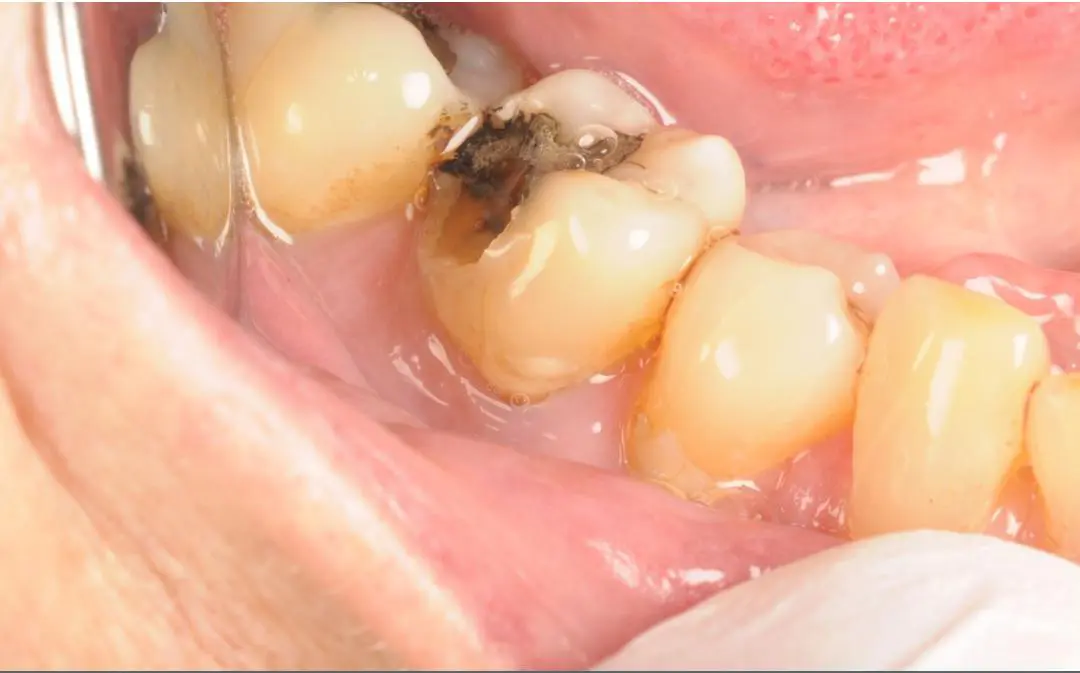
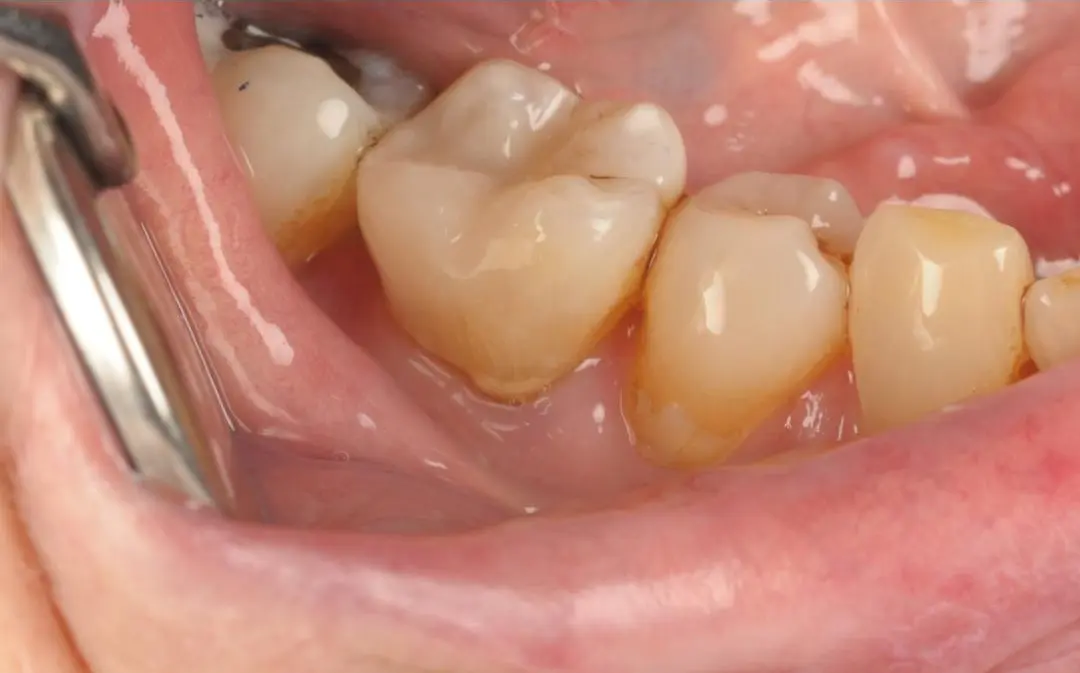
Real Patient Result: Emergency White Filling
Treatment by Dr Kamran
When ice chewing occurs, the filling material and tooth structure experience different rates of expansion and contraction. Natural tooth enamel has specific thermal and mechanical properties that evolved for processing normal foods at mouth temperature. Filling materials, regardless of how well-designed, have different material properties that create stress concentrations at the interface.
The bonding agents and adhesives used to attach fillings to teeth are particularly vulnerable to the combined effects of mechanical stress and thermal shock. These materials are designed to create chemical and micro-mechanical bonds with tooth structure, but repeated extreme stresses can cause these bonds to weaken or fail progressively.
Micro-leakage often begins at these compromised interfaces, allowing bacteria and fluids to penetrate between the filling and tooth. This can lead to secondary decay, sensitivity, and eventual filling failure. The process may be gradual and initially asymptomatic, making it difficult for patients to recognise early signs of damage.
Understanding these scientific principles helps explain why dental professionals often advise against ice chewing, particularly for patients with extensive restorative work or those prone to dental problems.
When Professional Dental Assessment May Be Needed
Regular dental check-ups become particularly important for individuals who regularly chew ice, as early detection of filling damage can prevent more extensive problems. Professional assessment allows for identification of micro-fractures, bond failures, or other damage that may not be immediately apparent to patients.
Persistent sensitivity to temperature changes, particularly cold sensitivity that develops gradually, may indicate filling damage from ice chewing. Our article on temporary toothache relief before your appointment covers ways to manage discomfort while you wait. Sharp or sudden pain when biting down could suggest crack development in either the filling or surrounding tooth structure — see our guide on broken crown emergencies for related advice. Any changes in the texture or feel of existing fillings warrant professional evaluation.
Visible changes such as dark lines around filling margins, rough edges, or obvious chips or cracks require prompt dental attention. These signs often indicate that the filling's integrity has been compromised and intervention may be needed to prevent further damage or decay.
If you notice food frequently getting caught around previously smooth fillings, this may indicate that ice chewing has created gaps or irregularities that require professional assessment. Similarly, any spontaneous pain or discomfort in previously comfortable filled teeth should be evaluated promptly.
Protective Strategies and Alternative Habits
Breaking the ice chewing habit requires understanding why people engage in this behaviour and developing healthier alternatives. Ice chewing often serves as a stress-relief mechanism, helps with oral fixation needs, or provides sensory stimulation. Identifying your specific triggers can help in developing appropriate alternatives.
For those who crave the cold sensation, try allowing ice chips to melt in your mouth rather than actively chewing them. Frozen grapes, sugar-free ice lollies, or chilled cucumber slices can provide similar cooling effects without the extreme hardness of ice cubes. These alternatives satisfy the desire for cold whilst reducing mechanical stress on dental work.
Stress-related ice chewing may benefit from alternative coping strategies such as stress balls, fidget devices, or support for dental anxiety and stress-related habits. Addressing underlying stress can reduce the compulsive need to chew ice whilst improving overall health.
If ice chewing is related to iron deficiency anaemia or other medical conditions, addressing these underlying health issues with appropriate medical care often reduces or eliminates the craving for ice. Some medications can also trigger unusual cravings, so discussing this with your healthcare provider may be beneficial.
Creating awareness of the habit is often the first step in breaking it. Many people chew ice unconsciously, so actively noticing when you reach for ice can help interrupt the automatic behaviour pattern.
Maintaining Optimal Oral Health with Existing Fillings
Patients with dental fillings require particular attention to oral hygiene and habits that could affect their restorative work. Regular brushing with fluoride toothpaste and daily flossing help maintain the health of tooth structure around fillings, reducing the risk of secondary decay that could be exacerbated by ice-chewing damage.
Using a soft-bristled toothbrush and avoiding abrasive toothpastes can help protect both natural teeth and filling materials from unnecessary wear. Some whitening toothpastes can be particularly abrasive and may affect certain types of filling materials over time.
Night-time teeth grinding or clenching can compound the stress effects of ice chewing on dental fillings. If you suspect you grind your teeth, discussing protective night guards with your dental professional may help protect your restorative work from excessive forces.
Regular professional cleanings and examinations allow for early detection of any changes in filling integrity or surrounding tooth structure. Professional fluoride treatments may also help strengthen tooth structure around fillings, potentially improving their long-term durability.
Maintaining a balanced diet rich in calcium and phosphates supports overall tooth health and may help maintain the strength of tooth structure supporting your fillings. Limiting acidic foods and drinks can also help preserve both natural teeth and restorative materials.
Key Points to Remember
• Ice chewing creates mechanical and thermal stress that can damage dental fillings through force concentration and rapid temperature changes
• Different filling materials respond differently to ice-related stress, but all types can potentially be affected over time
• The interface between fillings and natural tooth structure is particularly vulnerable to damage from repeated ice chewing
• Early signs of filling damage include sensitivity, pain, visible changes, or food trapping around previously smooth restorations
• Breaking the ice chewing habit through alternative behaviours and stress management protects existing dental work
• Regular professional dental care is essential for monitoring filling integrity and addressing any damage promptly
Frequently Asked Questions
Can occasional ice chewing damage my fillings?
Whilst occasional ice chewing may not cause immediate visible damage, even infrequent exposure to these extreme forces and temperatures can contribute to gradual weakening of filling materials and their bond to tooth structure. The cumulative effects over time may still compromise filling durability, particularly in larger restorations or older fillings that may already have some wear.
Are some types of fillings more resistant to ice damage than others?
Different filling materials have varying resistance to ice-related damage. Amalgam fillings are generally quite strong but vulnerable to thermal expansion issues, whilst composite fillings may be more susceptible to fracture from sudden forces. Ceramic fillings offer good strength but can crack under extreme stress. No filling type is completely immune to potential damage from regular ice chewing habits.
How quickly can ice chewing damage dental fillings?
The timeframe for damage varies significantly depending on factors such as filling size, material type, age of the restoration, frequency of ice chewing, and individual bite forces. Some damage may occur gradually over months or years, whilst sudden fractures can happen immediately with particularly hard ice or excessive force. Regular dental monitoring helps detect early signs before major problems develop.
Will my dentist be able to tell if ice chewing has damaged my fillings?
Dental professionals can often identify signs of ice-chewing damage through visual examination, X-rays, and clinical testing. They look for margin breakdown, cracks, changes in filling contour, and signs of micro-leakage. However, some early damage may only be detectable with specialised equipment or may not become apparent until the damage progresses significantly.
Can damaged fillings from ice chewing be repaired or do they need complete replacement?
The treatment approach depends on the extent and location of damage. Minor chips or small cracks may sometimes be polished or repaired with additional filling material. However, significant damage, margin breakdown, or compromised bonding typically requires complete filling replacement to ensure proper function and prevent further problems. Early intervention often allows for less extensive treatment options.
Does ice chewing affect temporary fillings differently than permanent ones?
Temporary fillings are generally softer and less durable than permanent restorations, making them particularly vulnerable to ice-chewing damage. The forces and temperature changes from ice can easily dislodge or damage temporary fillings, potentially exposing the prepared tooth to bacteria and sensitivity. It's especially important to avoid ice chewing when temporary fillings are in place.
Conclusion
Understanding how ice chewing affects dental fillings helps patients make informed decisions about protecting their oral health and preserving their investment in dental treatment. The combination of mechanical stress, thermal shock, and repetitive forces created by ice chewing can compromise various types of filling materials over time, potentially leading to sensitivity, damage, or premature failure.
The scientific evidence clearly demonstrates that the extreme temperatures and hard texture of ice create conditions that challenge even the most well-placed dental restorations. Different filling materials respond differently to these stresses, but none are completely immune to potential damage from regular ice chewing habits.
Recognising early signs of filling damage and seeking prompt professional assessment can prevent more extensive problems and preserve your dental health. Developing alternative habits to replace ice chewing, combined with excellent oral hygiene and regular dental care, provides the best protection for your existing fillings and overall oral health.
Dental symptoms and treatment options should always be assessed individually during a clinical examination.
Disclaimer
This article is for educational purposes only and does not constitute medical or dental advice. It should not be used as a substitute for professional dental consultation, diagnosis, or treatment. Individual dental conditions vary significantly and can only be properly assessed through clinical examination by a qualified dental professional. Do not use this content for self-diagnosis or self-treatment. If you are experiencing dental symptoms or concerns, please seek prompt advice from a registered dental practitioner.