
Discovering a gum boil that drains pus can be concerning and uncomfortable. Many people notice a small, painful bump on their gums that occasionally releases a foul-tasting discharge, prompting them to search for answers online. This dental condition, whilst relatively common, shouldn't be ignored as it typically indicates an underlying infection that requires attention.
A gum boil, also known as a dental abscess or parulis, represents your body's response to bacterial infection in the mouth. When bacteria penetrate through damaged tooth enamel, deep cavities, or gum pockets, they can multiply and cause localised infection. The resulting pus formation creates pressure that your body relieves by forming a drainage point through the gum tissue.
Understanding what causes gum boils that drain pus, recognising associated symptoms, and knowing when to seek professional dental assessment can help you make informed decisions about your oral health. This article will explain the underlying causes, treatment considerations, and preventative measures to help you understand this common dental concern better.
Experiencing these symptoms?
Delaying treatment can lead to tooth loss. We have slots available today.
What Is a Gum Boil That Drains Pus?
A gum boil that drains pus forms when bacterial infection creates an abscess, and your body creates a drainage pathway through the gum tissue to release infected material and reduce pressure buildup.
A gum boil appears as a small, raised bump on the gum tissue, often resembling a pimple. When infected material accumulates faster than your immune system can clear it, pressure builds within the surrounding tissues. Your body naturally responds by creating the most direct route for drainage, typically forming a small opening through the gum surface.
The pus that drains from these boils contains white blood cells, bacteria, dead tissue, and other inflammatory byproducts. This discharge often has an unpleasant taste and odour, which many patients notice before they visually identify the boil itself.
Meet Dr. Yasha Shirazi
Principal Dentist at Emergency Dentist London
"We treat hundreds of dental emergencies every month. The sooner you come in, the easier the fix usually is."
Book an appointment with our team →Common Causes of Dental Abscesses
Several factors can lead to the development of gum boils with drainage. Deep tooth decay represents one of the most frequent causes, as bacteria can penetrate through weakened enamel and reach the tooth's inner pulp chamber. Once infection establishes in this area, it can spread to surrounding tissues and create pressure that results in abscess formation.
Gum disease also contributes to abscess development. When plaque and bacteria accumulate below the gum line, they can create infected pockets between the tooth and gum tissue. These periodontal infections may progress and form drainage points through the gum surface.
Previous dental trauma, cracked teeth, or failed dental restorations can provide entry points for bacteria. Even microscopic cracks in tooth enamel can allow bacterial penetration over time. Additionally, wisdom teeth that cannot fully emerge through the gum tissue may develop infected flaps of tissue that lead to abscess formation.
Understanding the Infection Process
The formation of a draining gum boil follows a predictable biological process. Initially, bacteria multiply in areas where your immune system has limited access, such as deep within tooth roots or gum pockets. As the bacterial population grows, your body responds by sending white blood cells to fight the infection.
This immune response creates inflammation and swelling in the affected area. The combination of bacterial waste products, dead white blood cells, and tissue breakdown creates pus - a thick, yellowish or greenish fluid that accumulates under pressure.
When pressure becomes significant, your body seeks the path of least resistance for drainage. Gum tissue, being softer than tooth enamel or bone, often provides this pathway. The resulting boil may drain intermittently, providing temporary pressure relief but not addressing the underlying infection source.
Symptoms Associated With Draining Gum Boils
Beyond the visible boil and drainage, several other symptoms commonly accompany these infections. Pain often fluctuates, becoming more intense when pressure builds and temporarily improving after drainage occurs. This cyclical pattern of discomfort helps distinguish dental abscesses from other oral health concerns.
Many patients report a persistent bad taste in their mouth, particularly noticeable after the boil drains. The affected tooth may become sensitive to temperature changes or pressure from biting. Some people experience referred pain that extends to the jaw, ear, or neck on the affected side.
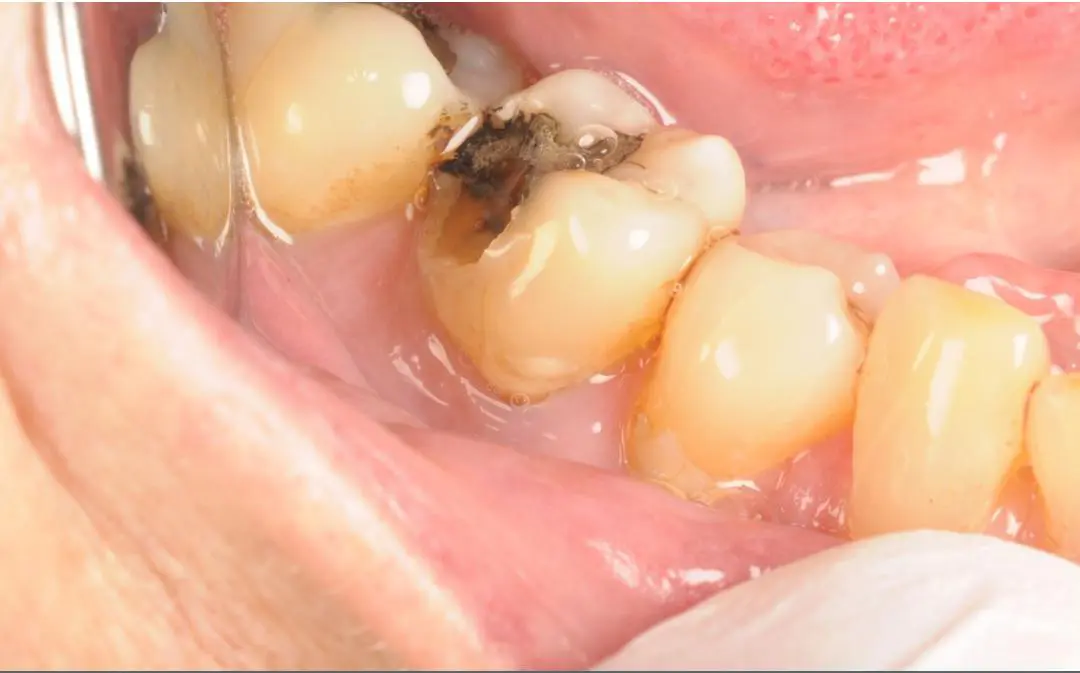
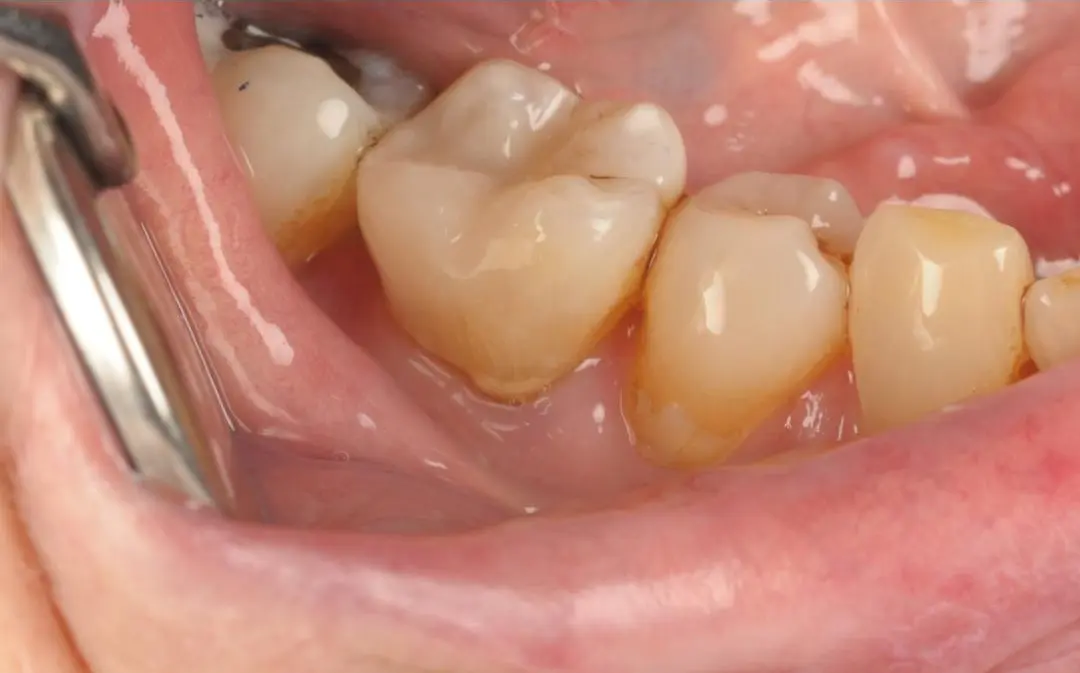
Real Patient Result: Emergency White Filling
Treatment by Dr Kamran
Swelling may develop in the surrounding gum tissue, cheek, or even lymph nodes under the jaw. In some cases, patients notice increased sensitivity when brushing or flossing near the affected area. These symptoms may vary in intensity and can come and go as the infection fluctuates.
When Professional Dental Assessment May Be Appropriate
Several situations indicate that professional dental evaluation could be beneficial for persistent gum boils. If drainage continues for more than a few days, or if the boil repeatedly refills and drains, this suggests an ongoing infection source that may require clinical attention.
Increasing pain, swelling that spreads beyond the immediate area, or fever accompanying the drainage may indicate that the infection is progressing. Additionally, if you experience difficulty swallowing, opening your mouth fully, or notice facial swelling, these symptoms warrant prompt professional assessment.
Changes in the character of the drainage, such as increasing volume, persistent bleeding, or particularly foul odour, may also indicate the need for clinical evaluation. Even in cases where symptoms seem mild, persistent or recurring gum boils often require professional diagnosis to identify and address the underlying cause.
Treatment Approaches for Dental Abscesses
Professional treatment for gum boils that drain pus typically focuses on addressing the underlying infection source. This may involve emergency dental care to assess the extent of infection and determine appropriate intervention strategies.
Common treatment approaches may include drainage procedures to remove infected material, antibiotic therapy to control bacterial spread, and addressing the root cause through restorative dental work. In cases involving deep tooth decay, treatment might involve root canal therapy or extraction, depending on the tooth's condition and restorability.
For infections related to gum disease, professional cleaning to remove bacteria and debris from infected pockets may be necessary. Some cases require minor surgical procedures to ensure complete drainage and healing. The specific treatment approach depends on factors such as infection severity, underlying cause, and individual patient circumstances.
Prevention and Oral Health Maintenance
Preventing gum boils involves maintaining good oral hygiene practices that reduce bacterial accumulation in the mouth. Regular brushing with fluoride toothpaste helps remove plaque and bacteria from tooth surfaces, whilst daily flossing addresses areas between teeth where toothbrushes cannot reach effectively.
Using an antimicrobial mouthwash may provide additional protection against bacterial growth, particularly in hard-to-reach areas. Regular dental check-ups and cleaning allow for early detection and treatment of developing problems before they progress to infection stages.
Avoiding habits that damage teeth, such as using teeth as tools or chewing on hard objects, helps maintain tooth integrity. Managing underlying health conditions that affect immune function, such as diabetes, also supports oral health and reduces infection risk.
Managing Discomfort While Seeking Professional Care
While arranging professional dental assessment, several measures may help manage discomfort associated with draining gum boils. Gentle salt water rinses can help keep the area clean and may provide temporary relief. Mix half a teaspoon of salt in warm water and gently swish around the affected area.
Over-the-counter pain relievers, used according to package directions, may help manage discomfort levels. Avoiding extremely hot or cold foods and beverages can reduce sensitivity in the affected area. Chewing on the opposite side of the mouth may also minimise pressure on the infected area.
Maintaining good oral hygiene remains important, though gentle brushing around the affected area prevents additional irritation. Staying well-hydrated and getting adequate rest supports your immune system's ability to fight infection.
Key Points to Remember
• Gum boils that drain pus indicate bacterial infection that typically requires professional assessment
• The drainage provides temporary pressure relief but doesn't address the underlying infection source
• Common causes include deep tooth decay, gum disease, dental trauma, and failed restorations
• Associated symptoms may include pain, bad taste, tooth sensitivity, and facial swelling
• Good oral hygiene and regular dental care help prevent most dental infections
• Professional evaluation helps determine appropriate treatment for persistent or recurring drainage
Frequently Asked Questions
How long does a gum boil take to heal naturally?
Without addressing the underlying infection source, gum boils rarely heal completely on their own. While drainage may provide temporary relief, the infection typically persists and symptoms often return. Professional assessment helps determine the most appropriate treatment approach for complete resolution.
Can I pop a gum boil to drain the pus?
Attempting to pop or squeeze a gum boil is not recommended, as this can potentially spread infection to surrounding tissues or into the bloodstream. Professional drainage in a sterile clinical environment aims to ensure safe removal of infected material whilst minimising complications.
Is a draining gum boil always serious?
While not all gum boils represent medical emergencies, they do indicate active bacterial infection that can potentially spread if left untreated. Even seemingly minor drainage warrants professional evaluation to identify the infection source and prevent progression to more serious complications.
What should I do if the drainage stops suddenly?
If drainage stops abruptly, particularly if pain and swelling increase, this may indicate that the drainage pathway has closed whilst infection persists. This situation can lead to increased pressure and potential complications, making professional assessment particularly important.
Can antibiotics alone cure a draining gum boil?
Whilst antibiotics can help control bacterial infection and reduce symptoms, they typically cannot address the underlying source of infection, such as deep tooth decay or infected root canals. Comprehensive treatment usually requires both antimicrobial therapy and procedures to eliminate the infection source.
Will the gum boil leave a permanent mark after healing?
Most gum boils heal without leaving visible marks when properly treated. However, the underlying cause must be addressed for complete healing to occur. Some cases may require minor surgical procedures or dental restoration to restore normal gum contours and function.
Related Emergency Dental Guides
- Periapical Abscess Root Tip Untreated Decay
- Why You Should Never Ignore A Dental Abscess Late At Night
- Gum Infection Trapped Food Simulates Toothache Symptoms
Related Emergency Dental Guides
Conclusion
Gum boils that drain pus represent your body's response to bacterial infection and shouldn't be ignored despite temporary relief that drainage may provide. Understanding the underlying causes, recognising associated symptoms, and knowing when to seek professional assessment helps ensure appropriate care for these common dental concerns.
While good oral hygiene practices can prevent many dental infections, established abscesses typically require professional intervention to address the root cause effectively. Early assessment and treatment often lead to more conservative treatment options and better long-term outcomes.
Maintaining regular dental care, practicing consistent oral hygiene, and seeking prompt professional guidance for persistent symptoms supports optimal oral health outcomes. Dental symptoms and treatment options should always be assessed individually during a clinical examination.
Disclaimer
This article is for educational purposes only and does not constitute professional dental advice, diagnosis, or treatment. Symptoms and treatment options should be assessed by a qualified dental professional during a clinical examination; no specific outcomes are guaranteed. Prepared in line with GDC, CQC, ASA CAP Code, and GMC communication standards.