
A chipped, cracked, or discoloured front tooth is one of the most common concerns that brings patients to a dental practice. Because front teeth are so visible, even minor damage can affect how you feel about your smile and your confidence in everyday interactions. It is entirely natural to feel self-conscious, and many people begin searching online for information about front tooth cosmetic repair before booking an appointment.
Understanding the options available can help you feel more informed and prepared when you do speak with a dentist. Front tooth damage can occur for a variety of reasons — from accidental trauma and sports injuries to gradual wear, decay, or developmental concerns. Whatever the cause, modern cosmetic and restorative dentistry offers a range of approaches that may help restore both the appearance and function of a damaged front tooth.
This guide explains the common causes of front tooth damage, the treatment approaches a dentist may consider, the dental science behind these procedures, and practical advice for maintaining your oral health afterwards. If you are experiencing any concerns with a front tooth, seeking a professional dental assessment is always the most reliable first step.
Experiencing these symptoms?
Delaying treatment can lead to tooth loss. We have slots available today.
What Is Front Tooth Cosmetic Repair?
Front tooth cosmetic repair refers to a range of dental treatments designed to restore the appearance, shape, and function of a damaged or aesthetically compromised front tooth. Common approaches may include dental bonding, porcelain veneers, dental crowns, or composite restoration, depending on the extent and type of damage. Treatment suitability is always determined through an individual clinical examination, as each patient's dental needs and oral health status are unique.
Common Causes of Front Tooth Damage
Front teeth are particularly vulnerable to damage because of their prominent position in the mouth. Understanding the potential causes can help you take steps to protect your smile and recognise when professional advice may be beneficial.
Accidental Trauma and Injuries
Falls, sports-related impacts, and everyday accidents are among the most frequent causes of front tooth chips, cracks, and fractures. A sudden blow to the mouth can cause anything from a small cosmetic chip to a more significant structural break. Children and adults involved in contact sports are at higher risk, though accidents can happen to anyone.
Meet Dr. Yasha Shirazi
Principal Dentist at Emergency Dentist London
"We treat hundreds of dental emergencies every month. The sooner you come in, the easier the fix usually is."
Book an appointment with our team →Tooth Decay and Erosion
Decay weakens tooth structure over time. When it affects a front tooth, it may lead to visible discolouration, surface roughness, or structural damage. Acidic foods and drinks can also gradually erode enamel, making teeth more susceptible to chipping and staining.
Wear and Ageing
Over many years, natural wear from biting and chewing can gradually alter the shape and appearance of front teeth. Habits such as nail-biting or using teeth to open packaging can accelerate this process. Age-related changes may also affect the colour and translucency of the teeth.
Teeth Grinding (Bruxism)
Grinding or clenching the teeth, often during sleep, places significant pressure on the front teeth and can lead to chips, cracks, flattened edges, or increased sensitivity. Many patients are unaware they grind their teeth until a dentist identifies the signs during an examination.
Signs That a Front Tooth May Benefit From Cosmetic Repair
While some damage to a front tooth is immediately obvious, other signs may develop more gradually. Being aware of changes can help you seek timely dental advice.
Common signs include:
- A visible chip, crack, or rough edge on a front tooth
- Discolouration that does not respond to standard cleaning
- A gap or space that has developed between front teeth
- Uneven or worn edges that affect the symmetry of your smile
- Sensitivity to hot, cold, or sweet foods and drinks in a specific tooth
- A tooth that appears slightly misaligned or shorter than its neighbours
If you notice any of these changes, a dental examination can help determine whether cosmetic repair may be appropriate and which approach might suit your individual situation.
Treatment Approaches for Front Tooth Cosmetic Repair
There are several treatment options that a dentist may recommend depending on the nature and severity of the damage. Each has its own advantages, and the most suitable option will depend on a thorough clinical assessment.
Dental Bonding (Composite Bonding)
Dental bonding involves applying a tooth-coloured composite resin material directly to the tooth surface. The dentist carefully shapes and polishes the resin to match the natural appearance of the surrounding teeth. This approach is often suitable for minor chips, small gaps, or surface imperfections.
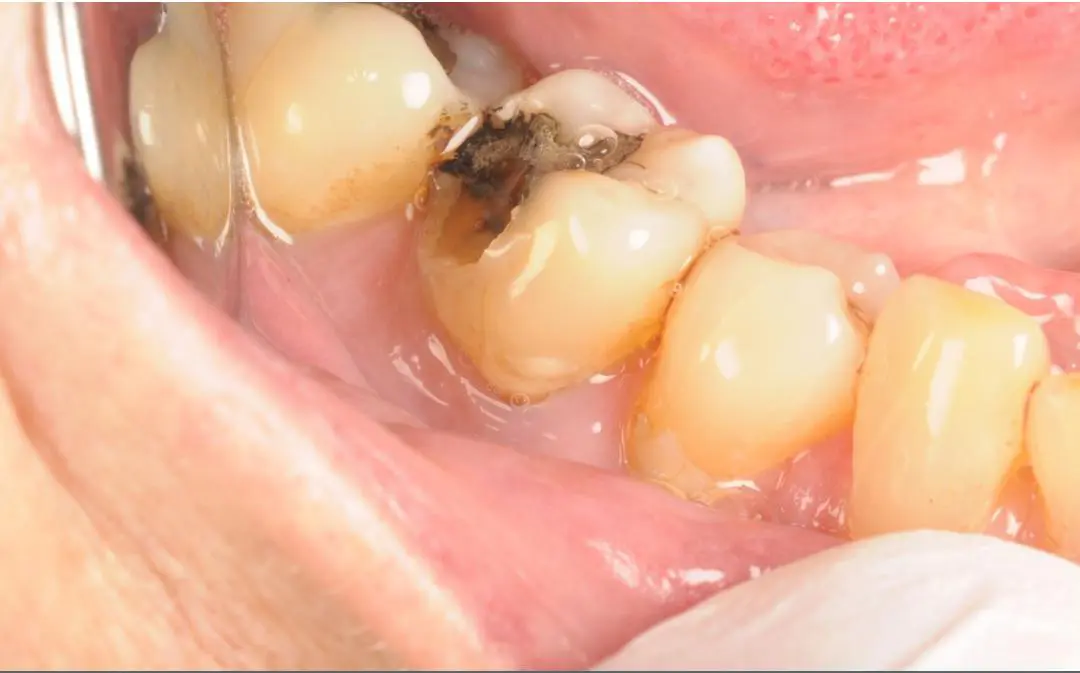
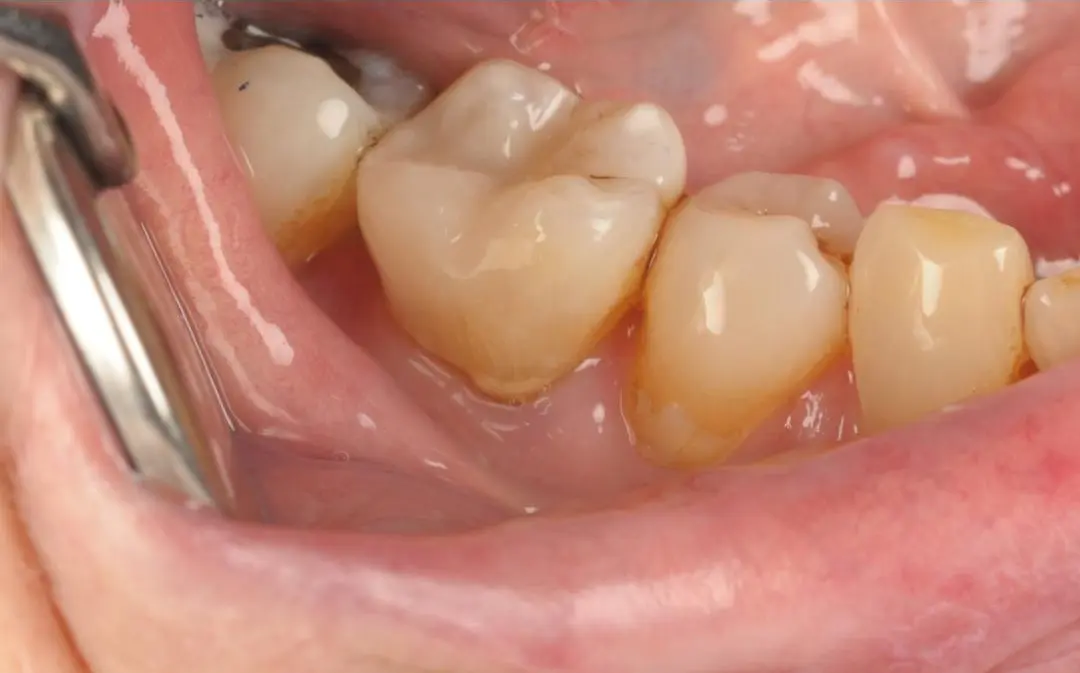
Real Patient Result: Emergency White Filling
Treatment by Dr Kamran
Bonding is typically completed in a single appointment and is one of the more conservative options, as it usually requires minimal removal of existing tooth structure. However, composite materials may be more prone to staining or wear over time compared to porcelain restorations.
Porcelain Veneers
Porcelain veneers are thin shells of dental ceramic that are custom-made and bonded to the front surface of a tooth. They can address a range of cosmetic concerns including chips, cracks, discolouration, minor misalignment, and uneven tooth shapes.
Veneers typically require some preparation of the tooth surface and are crafted in a dental laboratory to achieve a natural, lifelike result. They are known for their durability and resistance to staining, though the process is generally not reversible.
Dental Crowns
When a front tooth has sustained more significant structural damage, a dental crown may be recommended. A crown covers the entire visible portion of the tooth, restoring its shape, strength, and appearance. Crowns can be made from various materials, including porcelain and ceramic, to closely match the natural tooth colour.
Crown preparation involves reshaping the tooth to accommodate the restoration, and impressions are taken to ensure a precise fit. Temporary crowns are often placed while the permanent restoration is being made.
Tooth-Coloured Fillings
For front teeth affected by decay or minor cavities, tooth-coloured composite fillings offer a discreet and effective repair. These fillings are matched to the shade of your natural teeth and can restore both function and appearance.
Understanding the Dental Science: Tooth Structure and Repair
To appreciate how cosmetic repairs work, it helps to understand the basic structure of a tooth. Each tooth consists of several layers, and the type of damage determines which treatment approach may be most suitable.
Enamel
The outermost layer of the tooth is enamel — the hardest substance in the human body. Enamel provides a protective barrier against daily wear, temperature changes, and bacteria. Despite its strength, enamel can chip, crack, or erode over time. Once enamel is lost, it does not regenerate naturally, which is why dental restoration becomes important.
Dentine
Beneath the enamel lies dentine, a softer, yellowish layer that forms the bulk of the tooth. Dentine contains microscopic tubules that connect to the nerve of the tooth, which is why exposed dentine can cause sensitivity. If damage extends through the enamel into the dentine, a more substantial repair may be needed.
Dental Pulp
At the centre of the tooth is the pulp, which contains nerves and blood vessels. If a crack or fracture reaches the pulp, it may cause significant pain and potentially lead to infection. In such cases, root canal treatment may be necessary before cosmetic restoration can be considered.
Understanding these layers helps explain why a dentist needs to assess the full extent of damage before recommending a specific treatment. What appears as a small surface chip may sometimes involve deeper structural concerns that require a more comprehensive approach.
When Professional Dental Assessment May Be Needed
While minor cosmetic concerns with a front tooth may not always feel urgent, there are situations where seeking a dental evaluation promptly is advisable. Recognising these signs can help ensure that any underlying issues are identified and managed appropriately.
You may wish to arrange a dental appointment if you experience:
- A chipped or broken front tooth — even a small chip can have sharp edges that irritate soft tissues, and the exposed area may be vulnerable to further damage or decay.
- Persistent tooth pain or sensitivity — ongoing discomfort, particularly when eating or drinking, may indicate that damage has extended beyond the enamel surface.
- Swelling or tenderness around the gum — this may suggest an infection or abscess that requires clinical attention.
- Discolouration following an injury — a front tooth that darkens after trauma may have sustained damage to the internal pulp, which a dentist can evaluate.
- A loose or displaced front tooth — any tooth that feels mobile after an impact should be assessed as soon as possible.
- Bleeding from or around a tooth — persistent bleeding may indicate soft tissue injury or an underlying dental concern.
If you are uncertain whether your situation requires prompt attention, contacting a dental practice for guidance is always a sensible step. Many concerns can be addressed more simply when identified early.
Prevention and Oral Health Advice for Protecting Front Teeth
While not all front tooth damage can be prevented, there are practical steps you can take to reduce the risk and maintain the results of any cosmetic repair work.
Daily Oral Hygiene
Brushing twice daily with a fluoride toothpaste and cleaning between your teeth with interdental brushes or floss helps protect against decay and gum disease. Good oral hygiene also helps maintain the appearance and longevity of cosmetic restorations such as bonding and veneers.
Wearing a Mouthguard
If you play contact sports or participate in activities with a risk of facial impact, a custom-fitted mouthguard can provide significant protection for your front teeth. Dentists can create mouthguards tailored to your bite for optimal comfort and effectiveness.
Addressing Teeth Grinding
If you grind your teeth, particularly at night, speaking with your dentist about a protective night guard may help prevent wear and damage to both natural teeth and restorations. Stress management and relaxation techniques may also be beneficial.
Dietary Considerations
Limiting highly acidic foods and drinks — such as citrus fruits, fizzy drinks, and wine — can help protect enamel from erosion. Avoiding very hard foods such as ice, hard sweets, and popcorn kernels can reduce the risk of chipping.
Regular Dental Check-Ups
Attending routine dental examinations allows your dentist to monitor the condition of your teeth and any existing restorations, identify early signs of wear or damage, and provide professional cleaning to support your oral health.
Key Points to Remember
- Front tooth cosmetic repair encompasses a range of treatments including bonding, veneers, crowns, and fillings, each suited to different types of damage.
- Common causes of front tooth damage include trauma, decay, wear, erosion, and teeth grinding.
- Understanding basic tooth structure — enamel, dentine, and pulp — helps explain why different levels of damage require different treatment approaches.
- Treatment suitability is always determined through an individual clinical dental examination.
- Wearing a mouthguard during sports, maintaining good oral hygiene, and attending regular check-ups can help protect your front teeth.
- Early professional assessment of any dental concerns often leads to simpler and more conservative treatment outcomes.
Frequently Asked Questions
How long does front tooth cosmetic repair last?
The longevity of a front tooth cosmetic repair depends on the type of treatment, the materials used, and how well the restoration is maintained. Dental bonding may last several years before requiring touch-up or replacement, while porcelain veneers and crowns can often last significantly longer with proper care. Factors such as oral hygiene habits, dietary choices, and whether you grind your teeth can all influence how long a restoration remains in good condition. Your dentist can provide guidance on expected longevity during your consultation.
Is front tooth bonding noticeable?
Modern composite bonding materials are designed to closely match the colour, translucency, and texture of natural teeth. A skilled dentist will carefully select a shade that blends with your surrounding teeth, making the repair difficult to detect in most cases. Over time, composite materials may pick up some surface staining, particularly from tea, coffee, or red wine, but regular polishing during dental visits can help maintain the appearance. The initial result is typically very natural-looking.
Does cosmetic repair on a front tooth hurt?
Most cosmetic dental procedures for front teeth involve minimal discomfort. Dental bonding often requires no anaesthetic at all, as it typically involves adding material to the tooth surface without drilling. For treatments that require some tooth preparation, such as veneers or crowns, a local anaesthetic is usually used to ensure you remain comfortable throughout the procedure. Your dentist will discuss the process with you beforehand and address any concerns about comfort or anxiety.
Can a front tooth be repaired if it is badly broken?
In many cases, even a significantly damaged front tooth can be restored. The appropriate treatment depends on the extent of the break and whether the inner structures of the tooth have been affected. Options may include a dental crown to restore shape and strength, or in some cases, root canal treatment may be needed first if the pulp has been compromised. A thorough clinical examination, often including dental X-rays, will help your dentist determine the most suitable approach for your specific situation.
How much does front tooth cosmetic repair cost?
The cost of front tooth cosmetic repair varies depending on the type of treatment recommended, the materials used, and the complexity of the case. Dental bonding tends to be one of the more affordable options, while porcelain veneers and crowns are generally higher in cost due to the laboratory work and materials involved. During your consultation, your dentist will explain the options available and provide a clear breakdown of costs before any treatment begins.
Should I visit a dentist for a small chip on my front tooth?
Even a small chip is worth having assessed by a dentist. While it may appear minor, a chip can leave the tooth vulnerable to further damage, decay, or sensitivity. Sharp edges may also irritate the tongue or lips. A dentist can evaluate whether the chip affects the structural integrity of the tooth and recommend the most appropriate course of action, which in many cases may be a straightforward and conservative repair.
Conclusion
Damage to a front tooth can be a source of concern for many patients, but modern cosmetic and restorative dentistry offers a variety of approaches that may help restore both appearance and function. Whether the issue is a minor chip, noticeable discolouration, or more significant structural damage, understanding the available treatment options can help you feel more confident when discussing your care with a dental professional.
Front tooth cosmetic repair is not a one-size-fits-all solution — the most appropriate treatment depends entirely on the nature of the damage, the health of the surrounding tooth structure, and your individual oral health needs. This is why a thorough clinical examination is always the essential first step.
Maintaining good daily oral hygiene, protecting your teeth during physical activities, and attending regular dental appointments are all important steps in preserving both your natural teeth and any restorations.
Dental symptoms and treatment options should always be assessed individually during a clinical examination.
If you have concerns about a front tooth or would like to explore your options, speaking with a qualified dental professional is the best way to receive personalised advice and care.
Disclaimer
This article is for general educational purposes only and does not constitute professional dental advice, diagnosis, or treatment. Every patient's circumstances are unique; dental symptoms and treatment options should always be assessed during a clinical examination by a qualified dental professional. No specific outcomes are guaranteed. This content has been prepared in line with GDC, CQC, ASA CAP Code, and GMC communication standards. If you have concerns about your oral health, please contact a registered dentist.