
A chipped tooth is one of the most common dental concerns that brings patients to search for answers online. Whether it happened while eating, during a minor accident, or from an unexpected knock, discovering a chip in your tooth can feel unsettling — particularly when it affects a visible front tooth. Many people want to understand their options quickly and learn whether the damage can be repaired simply and effectively.
Cosmetic bonding for chipped teeth is one of the most widely discussed and frequently performed restorative treatments in modern dentistry. It offers a conservative approach to repairing minor to moderate chips without the need for more extensive procedures. Understanding how cosmetic bonding works, what it involves, and whether it may be suitable for your situation can help you feel more informed and confident when speaking with your dentist.
This article explains the causes of chipped teeth, how cosmetic dental bonding works as a treatment approach, what to expect during the process, and how to care for bonded teeth afterwards. As with all dental treatments, suitability depends on individual clinical assessment.
Experiencing these symptoms?
Delaying treatment can lead to tooth loss. We have slots available today.
What Is Cosmetic Bonding for Chipped Teeth?
Cosmetic bonding for chipped teeth is a dental procedure in which a tooth-coloured composite resin material is applied directly to the damaged tooth, sculpted to restore its natural shape, and hardened using a special curing light. It is commonly used to repair minor to moderate chips and can often be completed in a single appointment. Treatment suitability is determined through individual clinical assessment.
Common Causes of Chipped Teeth
Teeth can chip for a variety of reasons, and it is a dental issue that affects people of all ages. Understanding the common causes may help you take steps to reduce your risk in future.
Biting on hard foods or objects is one of the most frequent causes. Ice, boiled sweets, olive stones, and even pen caps can create enough force to chip a tooth, particularly if the enamel has already been weakened over time.
Meet Dr. Yasha Shirazi
Principal Dentist at Emergency Dentist London
"We treat hundreds of dental emergencies every month. The sooner you come in, the easier the fix usually is."
Book an appointment with our team →Accidental trauma is another leading cause. Falls, sports injuries, or knocks to the face can result in chips ranging from minor surface damage to more significant fractures. Contact sports without a properly fitted mouthguard carry a higher risk.
Tooth decay and weakened enamel also play a significant role. When a tooth has been compromised by decay, its structural integrity is reduced, making it more vulnerable to chipping even under normal biting forces. Acidic foods and drinks, teeth grinding (bruxism), and poor oral hygiene can all contribute to enamel erosion over time.
Old or deteriorating fillings may leave surrounding tooth structure unsupported, which can sometimes lead to chipping. If you have older restorations, regular dental check-ups can help your dentist monitor their condition.
Understanding Tooth Structure: Why Teeth Chip
To understand why cosmetic bonding is an effective approach for many chipped teeth, it helps to know a little about tooth anatomy.
Each tooth is made up of several layers. The outermost layer is enamel — the hardest substance in the human body. Beneath the enamel sits dentine, a slightly softer, yellowish tissue that makes up the bulk of the tooth. At the centre lies the pulp, which contains nerves and blood vessels.
When a chip occurs, it typically affects the enamel layer. Minor chips may only involve a small portion of enamel, causing no pain but creating a noticeable cosmetic issue. Deeper chips that extend into the dentine can cause sensitivity to temperature and pressure. In more severe cases, a chip or fracture may expose or approach the pulp, which can lead to significant discomfort and may require more complex treatment.
The location of the chip also matters. Front teeth, known as incisors, are particularly prone to chipping because of their thinner, flatter shape and their position at the front of the mouth. These are also the teeth where cosmetic bonding is most commonly applied, as appearance is a primary concern for patients.
Understanding which layer of the tooth is affected helps your dentist determine the most appropriate treatment approach. A thorough clinical examination, sometimes including dental X-rays, is essential for assessing the full extent of any damage.
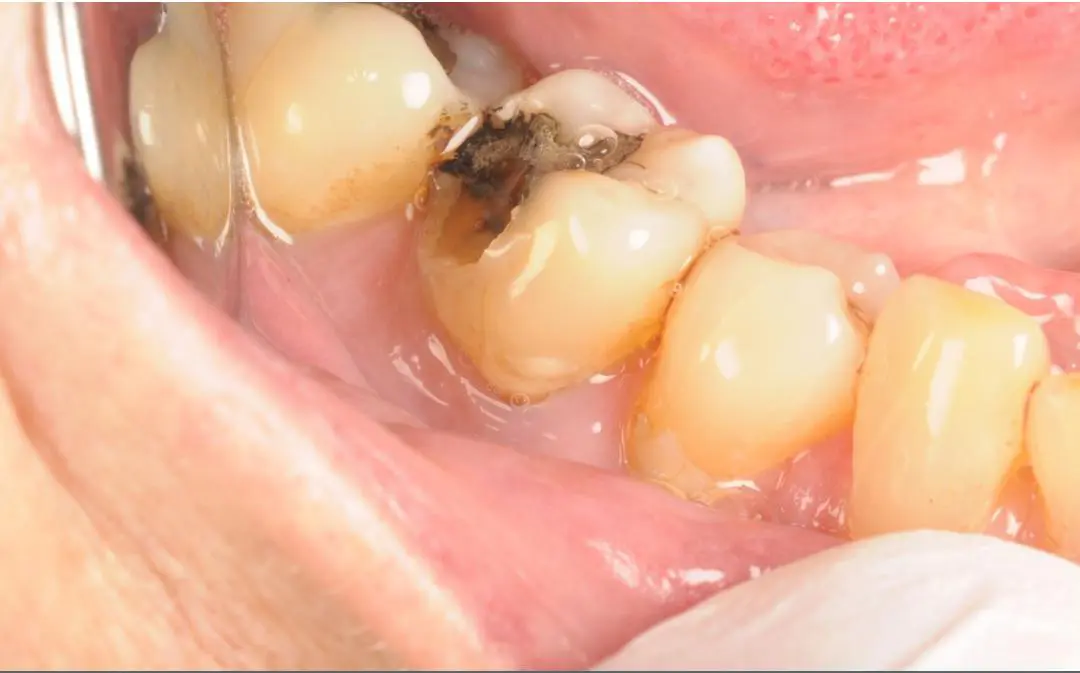
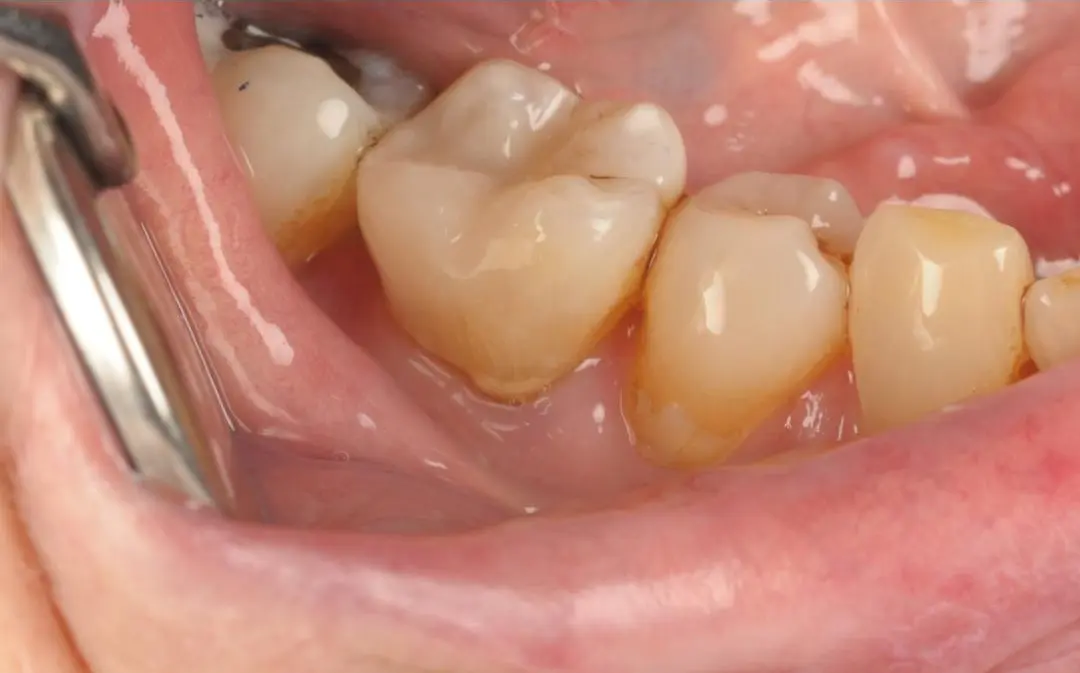
Real Patient Result: Emergency White Filling
Treatment by Dr Kamran
How Cosmetic Dental Bonding Works
Cosmetic dental bonding is a conservative and minimally invasive procedure that your dentist may recommend for repairing chips, cracks, or minor imperfections in teeth. Here is a general overview of what the process typically involves.
Shade matching is the first step. Your dentist will select a composite resin shade that closely matches the natural colour of your surrounding teeth. This ensures the repair blends seamlessly with your smile.
Tooth preparation is usually minimal. In most cases, little or no removal of existing tooth structure is required. The surface of the tooth is gently roughened using a mild etching solution, and a conditioning liquid is applied. This helps the bonding material adhere securely to the tooth.
Application and sculpting follow. The composite resin — a putty-like material — is applied to the prepared tooth surface. Your dentist carefully moulds and shapes the resin to recreate the natural contour of the tooth, building up layers as needed.
Curing is the next stage. A special ultraviolet or blue light is used to harden each layer of resin. This process takes only seconds per layer and creates a strong, durable bond.
Finishing and polishing complete the procedure. Your dentist trims any excess material, adjusts the shape for a comfortable bite, and polishes the bonded area to match the sheen of your natural enamel.
The entire process can often be completed in a single visit, typically taking between 30 and 60 minutes per tooth, depending on the extent of the repair.
Cosmetic Bonding Compared to Other Treatment Options
When a tooth is chipped, cosmetic bonding is one of several treatment options a dentist may consider. The most appropriate choice depends on the size, location, and severity of the chip, as well as the overall condition of the tooth.
Dental veneers are thin, custom-made shells — usually crafted from porcelain — that are bonded to the front surface of a tooth. They may be recommended for larger chips, multiple cosmetic concerns, or when a more durable, long-lasting result is desired. Veneers typically require more tooth preparation and involve laboratory fabrication, meaning at least two appointments are usually needed. You can learn more about this option on our dental veneers page.
Dental crowns may be considered when a chip is extensive or when the tooth's structural integrity has been significantly compromised. A crown covers the entire visible portion of the tooth and provides substantial protection and strength.
Cosmetic bonding is generally best suited for smaller chips and minor cosmetic adjustments. It is less invasive, typically more affordable, and can be completed in a single visit. However, composite resin is not as strong as porcelain and may be more susceptible to staining or wear over time.
Your dentist will assess your individual situation and discuss which option may be most suitable for you during a consultation appointment.
When Professional Dental Assessment May Be Needed
While a small chip may not always cause immediate pain, there are situations where seeking a professional dental evaluation is advisable. Recognising these signs can help you make informed decisions about your oral health.
Persistent sensitivity to hot, cold, or sweet foods and drinks following a chip may indicate that the dentine layer has been exposed. This warrants a dental assessment to determine the depth of the damage.
Visible discolouration or a dark line around the chipped area could suggest that the damage extends deeper than the surface enamel, or that decay may be present.
Sharp or rough edges that irritate the tongue, lips, or cheeks should be assessed. Even if the chip seems minor, rough edges can cause soft tissue injury over time.
Pain when biting or chewing may indicate a crack that extends further into the tooth structure than is visible to the naked eye.
Swelling, tenderness, or signs of infection in the gum tissue surrounding a chipped tooth should be evaluated promptly, as these symptoms may suggest the pulp has been affected.
If you experience any of these symptoms, arranging a dental appointment allows your dentist to carry out a thorough examination and recommend appropriate care.
Caring for Bonded Teeth: Prevention and Oral Health Advice
Cosmetic bonding can produce excellent results, but like natural teeth, bonded teeth benefit from good daily care. Taking a few practical steps can help maintain the appearance and longevity of the repair.
Maintain a thorough oral hygiene routine. Brush twice daily with a fluoride toothpaste and clean between your teeth daily using interdental brushes or floss. Good oral hygiene helps protect both the bonded area and your surrounding teeth from decay.
Be mindful of biting habits. Avoid biting into very hard foods such as ice, toffee, or hard nuts directly with bonded teeth. Similarly, habits such as nail biting, chewing pens, or using your teeth to open packaging should be avoided, as these can chip or dislodge bonding material.
Reduce staining risks. Composite resin can stain over time, particularly with frequent consumption of coffee, tea, red wine, or tobacco use. While bonding material does not respond to teeth whitening treatments in the same way natural enamel does, reducing exposure to staining substances can help maintain a consistent appearance.
Wear a mouthguard if appropriate. If you play contact sports or grind your teeth at night, your dentist may recommend a custom-fitted mouthguard to protect both your natural teeth and any bonded restorations.
Attend regular dental check-ups. Routine appointments allow your dentist to monitor the condition of bonded teeth, check for any signs of wear, and carry out professional cleaning. For more guidance on maintaining oral health, visit our dental hygiene services page.
Key Points to Remember
- A chipped tooth is a common dental issue that can often be addressed with cosmetic bonding, depending on the size and location of the chip.
- Cosmetic bonding uses tooth-coloured composite resin to restore the natural shape and appearance of a damaged tooth.
- The procedure is typically completed in a single appointment and requires minimal preparation of the existing tooth.
- Treatment suitability varies from person to person and should always be assessed through a clinical dental examination.
- Good oral hygiene, mindful eating habits, and regular dental visits can help maintain bonded teeth and overall oral health.
- If you experience pain, sensitivity, or swelling following a chipped tooth, seeking professional dental advice is recommended.
Frequently Asked Questions
Is cosmetic bonding painful?
Cosmetic bonding is generally considered a comfortable procedure. In most cases, local anaesthetic is not required because the process involves minimal — if any — removal of natural tooth structure. The dentist applies and sculpts the composite resin directly onto the tooth surface, which is not typically a painful process. Some patients may experience mild sensitivity during the etching stage, but this is usually brief. If the chip is deeper or closer to the nerve, your dentist may recommend anaesthetic to ensure your comfort throughout the procedure.
How long does cosmetic bonding last?
The longevity of cosmetic bonding varies depending on several factors, including the location of the bonded tooth, your biting habits, oral hygiene routine, and dietary choices. On average, dental bonding may last between 5 and 10 years before it may need to be repaired or replaced. Front teeth that experience less biting pressure may retain bonding for longer periods. Regular dental check-ups allow your dentist to monitor the condition of the bonding and address any signs of wear or discolouration before they become more significant concerns.
Can cosmetic bonding fix any size of chip?
Cosmetic bonding is most suitable for minor to moderate chips. Very small surface chips and medium-sized chips that do not compromise the structural integrity of the tooth generally respond well to bonding. However, for larger chips, extensive fractures, or teeth that have lost a significant portion of their structure, alternative treatments such as veneers or crowns may be more appropriate. Your dentist will assess the extent of the damage during a clinical examination and discuss which treatment options may be most suitable for your particular situation.
Does bonding look natural?
One of the key advantages of cosmetic bonding is its ability to closely match the appearance of natural teeth. Your dentist uses a shade guide to select a composite resin colour that blends with your surrounding teeth. Once applied, sculpted, and polished, well-placed bonding can be very difficult to distinguish from natural enamel. The skill and experience of the dentist play an important role in achieving a natural-looking result. Over time, bonding material may pick up some surface staining, but this can often be addressed during routine dental appointments.
Can I eat normally after cosmetic bonding?
You can generally return to eating and drinking shortly after a bonding procedure, as the composite resin is fully hardened during the appointment using a curing light. However, it is advisable to avoid very hard or sticky foods for the first 24 to 48 hours to allow the bond to fully stabilise. In the longer term, being mindful of biting into very hard objects directly with bonded teeth can help prolong the life of the restoration. Your dentist will provide specific aftercare advice tailored to your situation.
Is cosmetic bonding suitable for children?
Cosmetic bonding can sometimes be used for children and teenagers who have chipped a tooth, particularly when the chip affects a permanent tooth. It can serve as an effective interim solution while the young person's teeth and jaw are still developing. The conservative nature of bonding — requiring minimal tooth preparation — makes it a practical choice for younger patients. However, suitability depends on the child's age, the extent of the damage, and the specific tooth involved. A dental assessment is essential to determine the best approach for each individual case.
Conclusion
A chipped tooth, while common, deserves proper attention and professional care. Cosmetic bonding for chipped teeth offers a conservative, effective, and aesthetically pleasing treatment approach for many patients dealing with minor to moderate dental chips. By understanding the causes of chipped teeth, how cosmetic bonding works, and how to care for bonded teeth afterwards, you can approach the situation with greater confidence and clarity.
Maintaining good oral hygiene, attending regular dental check-ups, and being mindful of habits that may put your teeth at risk are all practical steps that support long-term oral health. If you have chipped a tooth or are experiencing any dental discomfort, seeking professional advice is always a sensible step.
Dental symptoms and treatment options should always be assessed individually during a clinical examination.
Disclaimer
This article is for general educational purposes only and does not constitute professional dental advice, diagnosis, or treatment. Every patient's circumstances are unique; dental symptoms and treatment options should always be assessed during a clinical examination by a qualified dental professional. No specific outcomes are guaranteed. This content has been prepared in line with GDC, CQC, ASA CAP Code, and GMC communication standards. If you have concerns about your oral health, please contact a registered dentist.