
Few dental experiences are quite as distressing as sudden, sharp tooth pain that seems to radiate through your entire jaw. If you have ever felt an intense jolt of sensitivity when eating, drinking, or even breathing in cold air, you may be dealing with an exposed tooth nerve — a common dental concern that sends many Londoners searching online for answers and relief.
It is perfectly understandable to want immediate information when you are in discomfort. Understanding what an exposed tooth nerve actually means, why it happens, and what steps you can take before reaching a dentist can help you feel more in control of the situation. This article explains the causes behind nerve exposure, the symptoms you should be aware of, temporary measures that may offer short-term comfort, and the professional treatment approaches a dentist may recommend following a clinical assessment.
Knowing when to seek professional dental advice is just as important as understanding the condition itself. Whether your symptoms have appeared suddenly after an injury or have developed gradually over time, early assessment can make a significant difference to treatment outcomes and long-term oral health.
Experiencing these symptoms?
Delaying treatment can lead to tooth loss. We have slots available today.
What Is an Exposed Tooth Nerve?
An exposed tooth nerve occurs when the inner pulp of a tooth — the soft tissue containing nerves, blood vessels, and connective tissue — becomes unprotected due to damage, decay, or erosion of the outer layers of the tooth. Normally, the dental pulp is shielded by two protective layers: the hard outer enamel and the underlying dentine. When these layers are compromised, the nerve within the tooth can become exposed to external stimuli such as temperature, pressure, and bacteria, resulting in significant pain and heightened sensitivity.
An exposed nerve is not a condition that typically resolves on its own. Without appropriate dental care, the pulp tissue may become inflamed or infected, potentially leading to more complex dental problems. The severity of symptoms can vary depending on the extent of the exposure and whether infection is present. In some cases, patients experience constant throbbing pain, while others notice sharp discomfort only when the tooth comes into contact with hot, cold, or sweet substances.
Understanding the basic anatomy involved can help patients appreciate why professional assessment is so important when nerve exposure is suspected.
Meet Dr. Yasha Shirazi
Principal Dentist at Emergency Dentist London
"We treat hundreds of dental emergencies every month. The sooner you come in, the easier the fix usually is."
Book an appointment with our team →Common Causes of Tooth Nerve Exposure
Several factors can lead to the protective layers of a tooth breaking down, leaving the nerve vulnerable. Recognising the potential causes may help patients understand their own symptoms more clearly.
Tooth Decay
Advanced dental decay is one of the most frequent reasons a nerve becomes exposed. When a cavity is left untreated, bacteria gradually work through the enamel and dentine until they reach the pulp chamber. At this stage, the nerve is directly exposed to bacterial infection and external stimuli.
Cracked or Fractured Teeth
A crack or fracture in a tooth — whether caused by biting on a hard object, a sports injury, or general trauma — can create a direct pathway to the nerve. Even hairline fractures that are not visible to the naked eye may allow bacteria and temperature changes to affect the pulp.
Enamel Erosion
Gradual erosion of tooth enamel, often caused by acidic foods and drinks, acid reflux, or aggressive brushing habits, can thin the protective layer over time. As enamel wears away, the dentine becomes exposed, and in severe cases, the pulp itself may be affected.
Receding Gums
Gum recession exposes the root surfaces of teeth, which lack the thick enamel covering found on the crown. The thinner cementum layer on the root can wear away relatively quickly, potentially exposing the underlying nerve tissue. If you have noticed your gums pulling back or your teeth appearing longer, it may be worth discussing this with your dentist during a routine dental check-up.
Previous Dental Work
Occasionally, existing fillings, crowns, or other restorations may deteriorate, crack, or dislodge over time, removing the barrier that was protecting the nerve.
Symptoms of an Exposed Tooth Nerve
The symptoms associated with an exposed tooth nerve can range from mild sensitivity to severe, debilitating pain. Being able to identify these signs may help patients communicate more effectively with their dentist.
Common symptoms include:
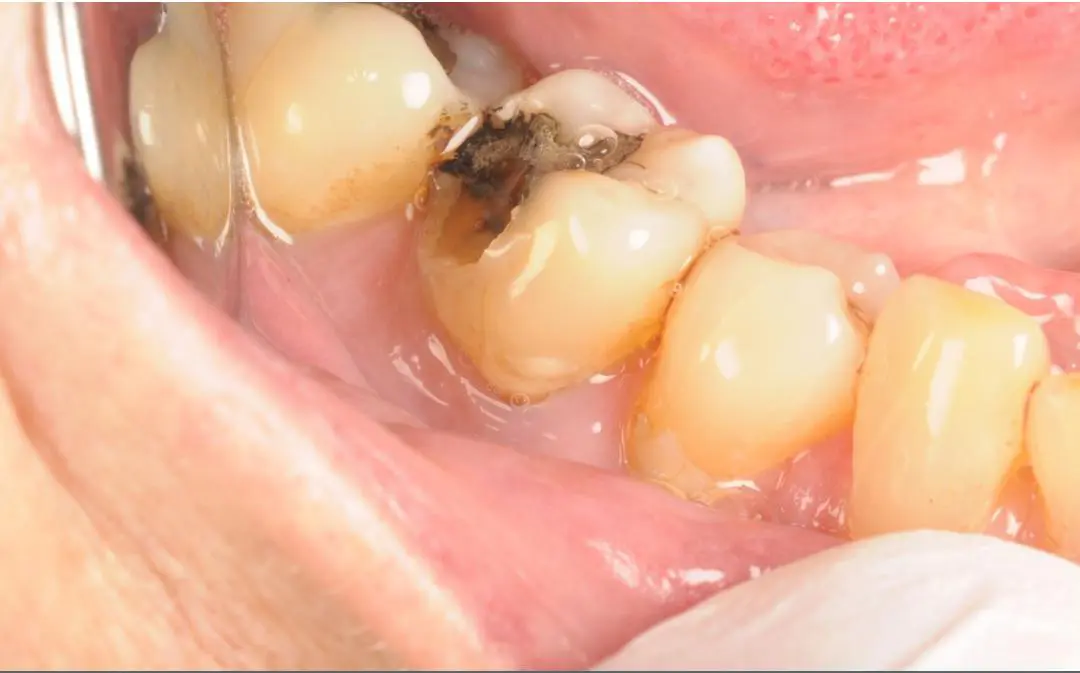
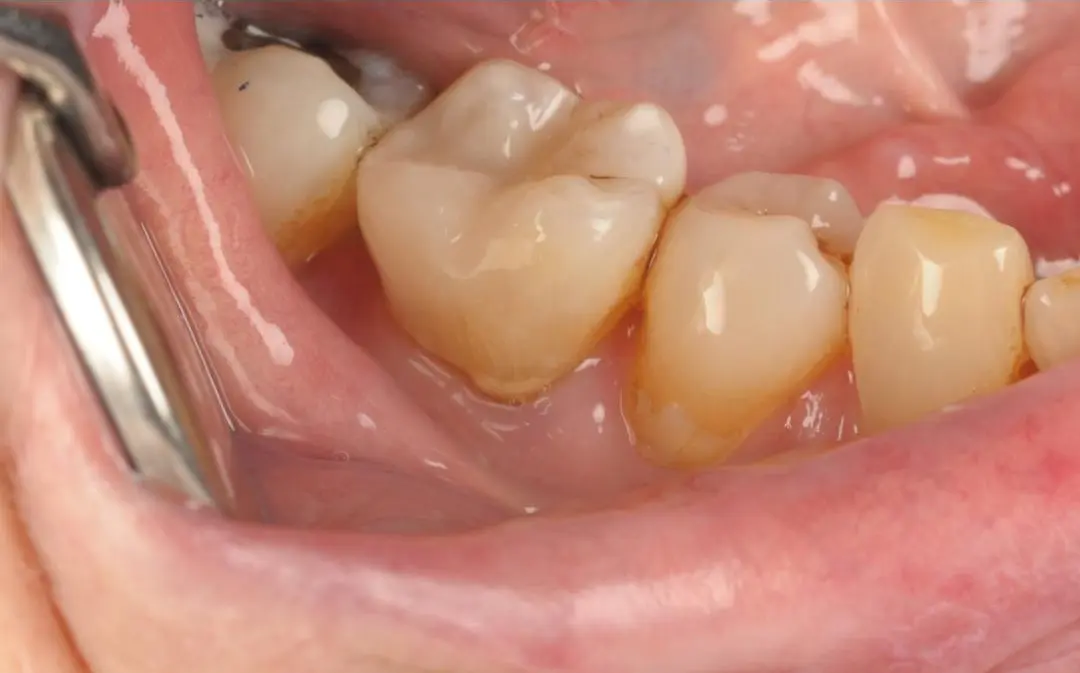
Real Patient Result: Emergency White Filling
Treatment by Dr Kamran
- Sharp, sudden pain when consuming hot, cold, sweet, or acidic foods and drinks
- Persistent throbbing or aching in or around a specific tooth
- Pain when biting or chewing, particularly on one side
- Sensitivity to cold air, which may cause a sharp, shooting sensation
- Visible damage such as a crack, chip, or dark discolouration on the tooth
- Swelling or tenderness in the gum tissue surrounding the affected tooth
- A bad taste in the mouth, which may suggest the presence of infection
Not all of these symptoms will be present in every case, and the intensity can fluctuate. Some patients describe the pain as coming in waves, while others experience constant discomfort. It is worth noting that similar symptoms can be caused by other dental conditions, which is why a professional examination is essential for accurate identification of the problem.
Understanding Tooth Anatomy: Why Nerve Exposure Matters
To appreciate why an exposed nerve causes such significant discomfort, it helps to understand the basic structure of a tooth.
The Layers of a Tooth
Each tooth is made up of several distinct layers:
- Enamel — The outermost layer visible above the gumline. Enamel is the hardest substance in the human body and serves as the primary defence against decay and physical damage.
- Dentine — Beneath the enamel lies dentine, a yellowish, slightly softer tissue that contains microscopic tubules. These tiny channels connect to the nerve, which is why exposed dentine often causes sensitivity.
- Pulp — At the core of the tooth sits the dental pulp, a living tissue containing nerves, blood vessels, and cells that nourish the tooth. The pulp extends from the crown down through the root canals to the tip of each root.
- Cementum — A thin layer covering the root surface beneath the gumline, providing attachment for the periodontal ligament that holds the tooth in the jawbone.
When enamel and dentine are intact, the pulp is well insulated from the oral environment. Once these layers are breached — whether through decay, fracture, or erosion — the nerve becomes vulnerable. Bacteria from the mouth can infiltrate the pulp chamber, potentially causing inflammation (pulpitis) or infection (dental abscess). This is why timely professional assessment is strongly recommended when nerve exposure is suspected.
Temporary Measures for Managing Discomfort at Home
While professional dental treatment is the appropriate course of action for an exposed tooth nerve, there are some temporary measures that may help manage discomfort until you are able to see a dentist. These steps are not a substitute for clinical care but may provide short-term relief.
Over-the-Counter Pain Relief
Non-prescription pain relief such as paracetamol or ibuprofen, taken according to the manufacturer's instructions, may help reduce pain and inflammation. Patients should always check for any contraindications or allergies before taking medication.
Desensitising Toothpaste
Toothpastes formulated for sensitive teeth contain ingredients that may help block the transmission of sensation from the tooth surface to the nerve. While not an immediate fix, regular use may offer some degree of comfort.
Avoiding Triggers
Steering clear of very hot, cold, sweet, or acidic foods and drinks can help minimise episodes of sharp pain. Chewing on the opposite side of the mouth may also reduce direct pressure on the affected tooth.
Saltwater Rinse
Gently rinsing the mouth with a warm saltwater solution (half a teaspoon of salt dissolved in a glass of warm water) may help keep the area clean and reduce bacterial activity around the exposed area.
Temporary Dental Cement
Available from most pharmacies, temporary dental filling material or cement can be used to cover an exposed area if a filling has been lost or a tooth has chipped. This can provide a short-term barrier but should only be considered a stopgap measure until professional care is available.
It is important to understand that these measures address symptoms rather than the underlying cause. Delaying professional treatment may allow the condition to worsen.
Professional Treatment Approaches for an Exposed Tooth Nerve
The treatment a dentist may recommend for an exposed tooth nerve depends on the extent of the damage, the presence of infection, and the overall condition of the tooth. A thorough clinical examination, often including dental X-rays, is necessary to determine the most appropriate approach.
Dental Fillings
If decay has reached the pulp but the nerve remains healthy, a dentist may be able to remove the decayed tissue and place a filling to seal and protect the tooth. The choice of filling material will depend on the location and size of the cavity.
Root Canal Treatment
When the nerve has become irreversibly inflamed or infected, root canal treatment may be recommended. This procedure involves carefully removing the damaged pulp tissue, cleaning and disinfecting the root canals, and sealing them to prevent further infection. A crown is often placed afterwards to strengthen the tooth.
Dental Crowns
A crown may be recommended to restore and protect a tooth that has been weakened by decay, fracture, or extensive treatment. Crowns cover the entire visible portion of the tooth, providing both structural support and a barrier against further damage.
Tooth Extraction
In cases where the tooth is too severely damaged to be saved, extraction may be the most appropriate option. Your dentist will discuss replacement options, such as dental implants or bridges, following extraction.
Treatment suitability always depends on individual clinical assessment. Your dentist will explain the available options and help you make an informed decision about your care.
When Professional Dental Assessment May Be Needed
Certain symptoms and situations suggest that seeking dental advice sooner rather than later would be sensible. While not every episode of tooth sensitivity indicates an exposed nerve, some signs warrant prompt professional evaluation.
Consider contacting a dentist if you experience:
- Persistent or worsening tooth pain that does not improve with over-the-counter pain relief
- Swelling in the gums, face, or jaw area
- A tooth that has visibly cracked, chipped, or broken
- Pain that disrupts sleep or daily activities
- A lost filling, crown, or other dental restoration
- Signs of infection such as a bad taste, discharge, or fever
- Sensitivity that has developed suddenly without an obvious cause
In some cases, particularly where infection or severe pain is involved, emergency dental care may be appropriate. Emergency dental appointments allow for prompt assessment and, where necessary, immediate steps to manage pain and prevent complications.
If you are unsure whether your symptoms require urgent attention, contacting your dental practice for guidance is always a reasonable step. Dental teams are well placed to help you determine the most appropriate timing for your appointment.
Please note: Appointment fees referenced in the video above are indicative. Prices may vary, and a full treatment plan with associated costs will be provided following consultation.
Prevention and Oral Health Advice
While it is not always possible to prevent an exposed tooth nerve, particularly in cases of accidental injury, there are several practical steps that may reduce the risk.
Maintain a Consistent Oral Hygiene Routine
Brushing twice daily with a fluoride toothpaste and cleaning between teeth with floss or interdental brushes helps remove plaque and reduce the risk of decay. Using a soft-bristled toothbrush and gentle technique can also help protect enamel and gum tissue from unnecessary wear.
Attend Regular Dental Appointments
Routine dental examinations allow your dentist to identify early signs of decay, enamel erosion, cracks, or gum recession before they progress to the point of nerve exposure. Early intervention is often simpler and less invasive than treatment required at a later stage.
Limit Acidic and Sugary Foods and Drinks
Frequent consumption of acidic beverages, citrus fruits, and sugary snacks contributes to enamel erosion and tooth decay. Where possible, limiting these and rinsing with water afterwards can help protect tooth structure. Waiting at least 30 minutes after consuming acidic foods before brushing is also advisable, as brushing immediately can further damage softened enamel.
Wear a Mouthguard When Appropriate
If you play contact sports or are aware that you grind your teeth during sleep (bruxism), wearing a custom-fitted mouthguard can help protect teeth from fractures and excessive wear.
Address Dental Issues Promptly
If you notice a small chip, a lost filling, or the beginning of sensitivity, seeking dental advice early may prevent the problem from developing into something more significant.
Key Points to Remember
- An exposed tooth nerve occurs when the protective enamel and dentine layers are compromised, leaving the dental pulp vulnerable to bacteria and external stimuli.
- Common causes include tooth decay, fractures, enamel erosion, and gum recession.
- Symptoms may include sharp pain, throbbing, sensitivity to temperature, and swelling — though these can also indicate other dental conditions.
- Temporary home measures such as pain relief, desensitising toothpaste, and avoiding triggers may help manage discomfort until you see a dentist.
- Professional treatment options range from fillings and root canal treatment to crowns or extraction, depending on the clinical findings.
- Early dental assessment often leads to more straightforward treatment and better outcomes for long-term oral health.
Frequently Asked Questions
How do I know if my tooth nerve is exposed?
An exposed tooth nerve typically presents with intense, sharp pain — especially when the tooth comes into contact with hot, cold, sweet, or acidic substances. You may also notice persistent throbbing, pain when biting, or visible damage to the tooth such as a crack or deep cavity. However, these symptoms can also be associated with other dental conditions, including dentine hypersensitivity or a cracked tooth without nerve involvement. The only reliable way to confirm whether the nerve is exposed is through a professional dental examination, which may include X-rays to assess the extent of any damage to the tooth's internal structure.
Can an exposed tooth nerve heal on its own?
In most cases, an exposed tooth nerve does not heal without professional dental intervention. Unlike some tissues in the body, damaged dental pulp has very limited capacity to repair itself, particularly when bacteria have gained access to the pulp chamber. Without treatment, an exposed nerve may become further inflamed or develop an infection, which could lead to a dental abscess. Temporary home measures may help manage symptoms in the short term, but they do not address the underlying cause. Seeking professional assessment is strongly recommended to prevent the condition from progressing and to explore appropriate treatment options.
Is an exposed tooth nerve a dental emergency?
Whether an exposed tooth nerve constitutes a dental emergency depends on the severity of symptoms. If you are experiencing severe, unrelenting pain that cannot be managed with over-the-counter pain relief, significant swelling, signs of infection such as fever or discharge, or the issue has resulted from trauma, seeking emergency dental care is advisable. Many dental practices, including those offering same-day emergency appointments, can provide prompt assessment and initial management. If symptoms are mild and manageable, booking a routine appointment as soon as possible would still be recommended to prevent the situation from worsening.
What happens if I delay treatment for an exposed tooth nerve?
Delaying treatment for an exposed tooth nerve can allow the condition to deteriorate. Bacteria from the mouth may penetrate deeper into the pulp tissue, leading to infection. An untreated infection can develop into a dental abscess — a collection of pus that may cause significant pain, swelling, and general unwellness. In severe cases, the infection may spread to surrounding tissues. Additionally, the longer treatment is postponed, the more complex the eventual treatment may need to be. A tooth that might have been saved with a filling or crown may ultimately require root canal treatment or extraction if the damage becomes too extensive.
How can I prevent my tooth nerve from becoming exposed?
Preventative oral care plays an important role in protecting the dental nerve. Brushing twice daily with fluoride toothpaste, cleaning between teeth regularly, and attending routine dental appointments all help maintain the integrity of enamel and dentine. Limiting consumption of acidic and sugary foods and drinks reduces the risk of erosion and decay. Wearing a mouthguard during contact sports or if you grind your teeth can help prevent fractures. Addressing minor dental issues such as small cavities or chips promptly, before they progress, is also an effective way to reduce the likelihood of nerve exposure.
Does root canal treatment hurt?
Root canal treatment is carried out under local anaesthetic, meaning the area around the affected tooth is numbed before the procedure begins. Most patients report that the treatment itself is no more uncomfortable than having a standard filling placed. Modern techniques and equipment have made root canal treatment a routine and well-tolerated procedure.
Disclaimer
This article is for general educational purposes only and does not constitute professional dental advice, diagnosis, or treatment. Every patient's circumstances are unique; dental symptoms and treatment options should always be assessed during a clinical examination by a qualified dental professional. No specific outcomes are guaranteed. This content has been prepared in line with GDC, CQC, ASA CAP Code, and GMC communication standards. If you have concerns about your oral health, please contact a registered dentist.