
Many patients who vape have started to notice changes in their oral health, particularly experiencing persistent dry mouth sensations and concerns about their dental fillings. This concern has become increasingly common as vaping has gained popularity over traditional smoking. The relationship between vaping, dry mouth, and filling integrity is a complex one that involves understanding how e-cigarette vapour affects saliva production and oral tissue health.
People often search online for information about these dental issues because they want to understand whether their vaping habits might be affecting their existing dental work. Understanding this connection matters because both dry mouth and compromised fillings can lead to further oral health complications if left unaddressed. Recognising the signs early and understanding the underlying mechanisms can help patients make informed decisions about their oral health.
This article will explore how vaping may contribute to xerostomia (dry mouth), examine the potential impact on dental filling longevity, and explain when professional dental assessment might be beneficial for maintaining optimal oral health.
Experiencing these symptoms?
Delaying treatment can lead to tooth loss. We have slots available today.
Can vaping affect the integrity of dental fillings through dry mouth?
Yes, vaping can potentially affect dental filling integrity through its contribution to dry mouth. The chemicals in e-cigarette vapour can reduce saliva production, which normally helps protect teeth and dental restorations from bacterial acid attacks.
Understanding Vaping's Impact on Saliva Production
Vaping devices deliver heated vapour containing various chemicals including propylene glycol, vegetable glycerine, nicotine, and flavouring compounds. These substances can have a dehydrating effect on oral tissues, contributing to reduced saliva flow. Propylene glycol, in particular, is hygroscopic, meaning it draws moisture from surrounding tissues, which can lead to the sensation of dry mouth that many vapers experience.
Nicotine, whether delivered through traditional cigarettes or vaping devices, can also affect salivary gland function. Nicotine may reduce both the quantity and quality of saliva produced, affecting the mouth's natural ability to neutralise acids and wash away harmful bacteria. This reduction in protective saliva can create an environment where dental restorations may be more vulnerable to deterioration over time.
Meet Dr. Yasha Shirazi
Principal Dentist at Emergency Dentist London
"We treat hundreds of dental emergencies every month. The sooner you come in, the easier the fix usually is."
Book an appointment with our team →The temperature of the vapour itself may also play a role, as repeated exposure to heated air can contribute to oral tissue dehydration and temporary changes in salivary flow patterns.
The Role of Saliva in Protecting Dental Fillings
Saliva plays a crucial protective role in maintaining the integrity of dental fillings and overall oral health. It helps maintain the pH balance in the mouth, neutralising acids produced by oral bacteria that can weaken both natural tooth structure and dental materials. When saliva production is reduced, this protective mechanism is compromised.
Adequate saliva flow helps wash away food particles and bacteria that can accumulate around filling margins, where the restoration meets the natural tooth. Without sufficient saliva, these areas may become more susceptible to secondary decay, which can undermine the seal between the filling and tooth structure.
Saliva also contains important minerals like calcium and phosphate that help remineralise tooth enamel and may contribute to the longevity of certain dental materials. When dry mouth persists, the absence of these beneficial components can affect the oral environment surrounding dental restorations.
How Dry Mouth May Compromise Filling Materials
Different filling materials may respond differently to changes in the oral environment caused by chronic dry mouth. Composite resin fillings, which are tooth-coloured restorations, rely on a strong bond with tooth structure. In a dry environment with increased bacterial activity, the margins of these fillings may be more prone to breakdown or staining.
Amalgam fillings, while generally more resistant to moisture changes, can still be affected by increased bacterial activity and acid production that occurs when protective saliva is insufficient. The interface between any filling material and natural tooth structure represents a potential weak point where secondary decay can develop more readily in a compromised oral environment.
Glass ionomer fillings, which release fluoride and are often used in areas prone to decay, may actually perform relatively well in dry conditions, but they too can be affected by persistent changes in oral pH and bacterial composition that occur with chronic xerostomia.
Oral Health Complications from Reduced Saliva Flow
Chronic dry mouth from vaping can lead to several oral health complications beyond just filling integrity concerns. Increased bacterial growth in a dry environment can contribute to gum inflammation and periodontal problems. The lack of saliva's natural cleansing action allows plaque to accumulate more readily, particularly around the margins of dental restorations.
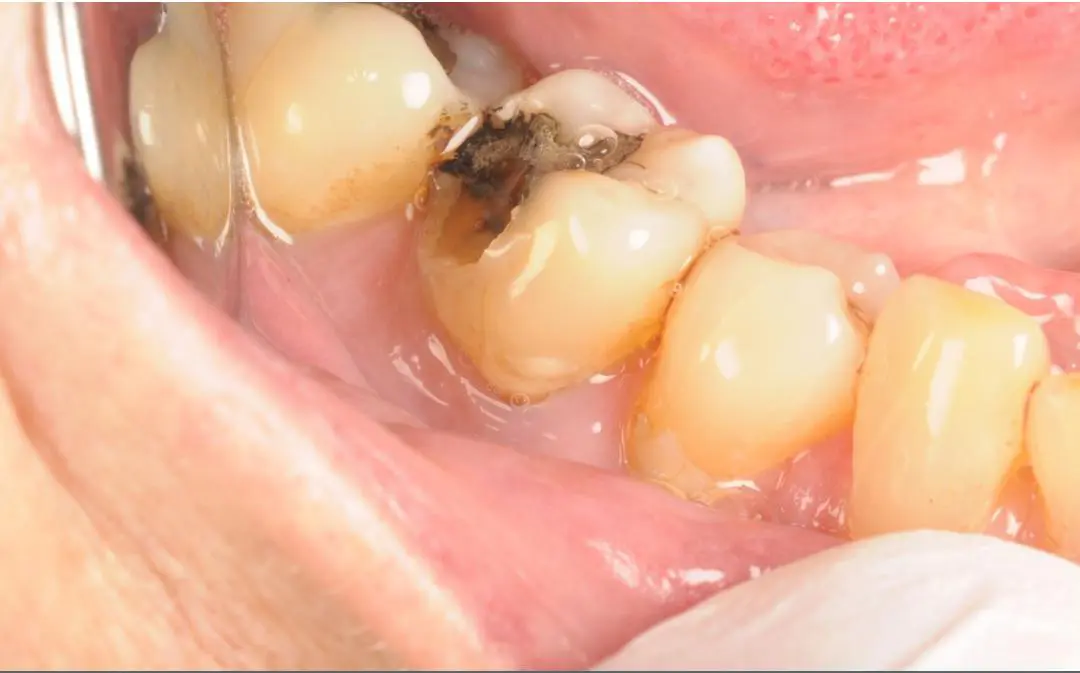
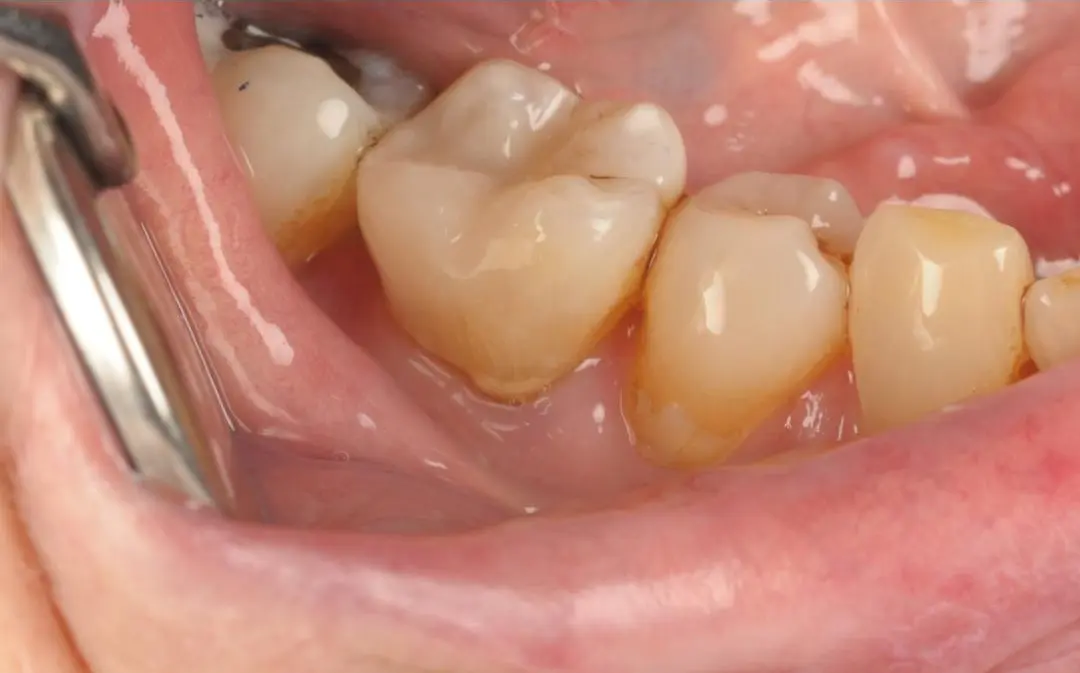
Real Patient Result: Emergency White Filling
Treatment by Dr Kamran
Bad breath (halitosis) is another common consequence of reduced saliva flow, as bacteria multiply more freely without adequate moisture to wash them away. This can be particularly pronounced in areas where dental work creates small spaces that are difficult to clean thoroughly with regular brushing and flossing.
Some patients may also experience increased tooth sensitivity as the protective qualities of saliva are diminished, and changes in oral pH may affect both natural tooth structure and existing dental work over time.
When Professional Dental Assessment May Be Needed
If you vape and notice persistent dry mouth, it may be beneficial to discuss this with a dental professional. Signs that warrant dental evaluation include a consistently dry or sticky feeling in the mouth, difficulty swallowing or speaking, increased thirst, or changes around existing fillings such as sensitivity or visible gaps.
Professional assessment becomes particularly important if you notice rough or sharp edges on existing fillings, persistent bad breath despite good oral hygiene, or areas of sensitivity that seem to be worsening over time. These symptoms could indicate that dry mouth is contributing to changes in your oral health or dental restorations.
A dental examination can help identify early signs of secondary decay around fillings, assess the overall health of existing dental work, and provide personalised advice about managing dry mouth symptoms while maintaining optimal oral health.
Managing Dry Mouth and Protecting Dental Work
Several strategies may help manage vaping-related dry mouth and protect existing dental fillings. Staying well-hydrated by drinking plenty of water throughout the day can help compensate for the dehydrating effects of vaping. Sipping water regularly, rather than consuming large amounts infrequently, may be more effective for maintaining oral moisture.
Sugar-free gum or lozenges can help stimulate saliva production, particularly products containing xylitol, which may have additional benefits for oral health. However, it's important to choose products that won't contribute to tooth decay or interfere with dental materials.
Using a humidifier, especially during sleep, may help maintain moisture in the oral cavity. Some people find that fluoride toothpaste designed for dry mouth conditions helps protect both natural teeth and the areas around dental restorations.
Preventive Strategies for Long-term Oral Health
Maintaining excellent oral hygiene becomes even more important when dealing with vaping-related dry mouth. Thorough brushing twice daily and regular flossing help remove plaque and bacteria that can proliferate more readily in a dry environment. Pay particular attention to cleaning around existing fillings where bacteria can accumulate.
Regular dental check-ups become crucial for monitoring the condition of existing dental work and identifying any early signs of deterioration. Professional cleanings can remove plaque and tartar that may be harder to eliminate with home care alone when saliva production is reduced.
Consider discussing with your dentist whether additional fluoride treatments or specialised mouth rinses might be beneficial for protecting both natural teeth and dental restorations in a chronically dry oral environment.
Key Points to Remember
• Vaping can contribute to dry mouth through dehydrating chemicals and reduced saliva production
• Saliva plays a protective role in maintaining dental filling integrity and oral health
• Chronic dry mouth may increase the risk of secondary decay around existing dental work
• Different filling materials may respond differently to changes in the oral environment
• Professional dental assessment can help identify early problems and provide tailored management strategies
• Good oral hygiene and adequate hydration are essential for protecting dental work when experiencing dry mouth
Frequently Asked Questions
Can vaping directly damage dental fillings?
Vaping doesn't typically cause direct mechanical damage to dental fillings, but the resulting dry mouth can create conditions that may affect filling longevity. The reduced saliva flow allows increased bacterial activity and acid production, which can compromise the seal between fillings and natural tooth structure over time. The chemicals in e-cigarette vapour may also contribute to changes in the oral environment that affect dental materials differently.
How quickly might dry mouth from vaping affect my dental work?
The timeline varies considerably between individuals, but chronic dry mouth effects may become noticeable within weeks of regular vaping. However, significant changes to dental filling integrity typically develop gradually over months or years. The impact depends on factors such as your natural saliva production, oral hygiene habits, the type and age of your existing dental work, and how frequently you vape throughout the day.
Are certain types of dental fillings more vulnerable to dry mouth effects?
Different filling materials have varying resistance to environmental changes in the mouth. Composite resin fillings may be more sensitive to changes in moisture levels and bacterial activity, particularly at the margins where they meet tooth structure. Glass ionomer fillings, which release fluoride, may offer some protective benefits even in dry conditions. Amalgam fillings are generally more resistant to moisture changes but can still be affected by increased bacterial activity around their edges.
Will stopping vaping reverse dry mouth and protect my fillings?
Saliva production often improves after discontinuing vaping, though the timeline for recovery varies between individuals. Some people notice improvements in mouth moisture within days or weeks, while others may take longer to restore normal salivary function. However, any damage to dental work that has already occurred typically requires professional dental treatment to address properly, as dental materials cannot self-repair.
Can anything be done to protect existing fillings while continuing to vape?
While smoking cessation support may benefit oral health, certain strategies may help reduce risk if you continue vaping. These include maintaining excellent oral hygiene, staying well-hydrated, using sugar-free products to stimulate saliva, and having more frequent dental check-ups to monitor your dental work. However, these measures may only partially offset the effects of chronic dry mouth on oral health.
Should I replace my fillings if I'm experiencing dry mouth from vaping?
Routine replacement of fillings isn't typically necessary solely due to dry mouth from vaping. However, if examination reveals evidence of secondary decay, failing margins, or other damage around existing dental work, your dentist may recommend appropriate treatment. The decision to replace or repair dental work should always be based on clinical assessment of each restoration's current condition and your individual oral health needs.
Conclusion
The relationship between vaping, dry mouth, and dental filling integrity highlights the interconnected nature of oral health factors. While vaping may not directly damage dental fillings, the resulting reduction in saliva production can create conditions that may compromise the longevity of dental restorations over time. Understanding these connections empowers patients to make informed decisions about their oral health and seek appropriate care when needed.
Maintaining good oral hygiene, staying adequately hydrated, and monitoring changes in your mouth become particularly important when experiencing vaping-related dry mouth. Regular dental assessment allows for early identification of any issues affecting dental work and provides opportunities for personalised management strategies.
The effects of dry mouth on dental filling integrity underscore the importance of considering the broader oral health implications of lifestyle choices. Early intervention and appropriate management can help protect existing dental work and maintain optimal oral health outcomes. Dental symptoms and treatment options should always be assessed individually during a clinical examination.
Disclaimer
This article is provided for educational and informational purposes only and does not constitute dental or medical advice. It should not replace professional consultation, diagnosis, or treatment. Individual oral health conditions vary significantly and must be assessed by a qualified dental professional through clinical examination. Treatment outcomes cannot be guaranteed. Always seek guidance from a registered dental professional for your specific oral health needs.