
A sudden knock to the mouth, an unexpected fall, or biting down on something hard — tooth injuries can happen when you least expect them, and they often leave people feeling anxious and unsure about what to do next. It is perfectly natural to search online for guidance when you or a family member experiences dental trauma, especially outside of regular surgery hours.
Finding an emergency dentist for tooth injury situations is one of the most common urgent dental searches made by adults across London. Whether the injury involves a chipped tooth, a loose tooth, or a tooth that has been completely knocked out, understanding the basics of what has happened and what steps to take can make a meaningful difference to the outcome.
This article explains the common types of tooth injuries, what happens inside the tooth when trauma occurs, how emergency dental care may help, and what you can do in the immediate aftermath of an injury. It also covers when it may be important to seek a professional dental assessment and how to look after your oral health following dental trauma. The aim is to provide clear, balanced information so you feel better informed and more confident about the next steps.
Experiencing these symptoms?
Delaying treatment can lead to tooth loss. We have slots available today.
This content is provided for general informational purposes only and does not constitute clinical advice. Treatment suitability depends on individual clinical assessment by a qualified dental professional.
What Is a Tooth Injury and When Should You See an Emergency Dentist?
A tooth injury refers to any trauma affecting the teeth, gums, or surrounding oral structures, often caused by accidents, falls, or impacts. An emergency dentist for tooth injury care can assess the extent of damage, manage pain, and recommend appropriate treatment. Prompt professional evaluation is important, as early intervention may improve the chances of preserving the affected tooth and supporting long-term oral health.
Common Causes of Tooth Injuries
Tooth injuries can affect anyone at any age, though certain activities and situations carry a higher risk. Understanding the common causes can help you recognise when dental trauma may have occurred and why timely attention matters.
Meet Dr. Yasha Shirazi
Principal Dentist at Emergency Dentist London
"We treat hundreds of dental emergencies every month. The sooner you come in, the easier the fix usually is."
Book an appointment with our team →Sporting injuries are among the most frequent causes of dental trauma in adults and children alike. Contact sports such as rugby, football, boxing, and hockey present obvious risks, but even non-contact activities like cycling, skateboarding, or running can result in falls that damage the teeth and mouth.
Accidents and falls account for a significant proportion of tooth injuries. Slipping on a wet surface, tripping on an uneven pavement, or falling from a height can all lead to direct impact on the face and teeth. These injuries are particularly common in younger children and older adults.
Biting on hard objects — such as ice, hard sweets, olive stones, or even pen lids — can cause teeth to chip, crack, or fracture unexpectedly. Existing dental restorations, such as fillings or crowns, may also be dislodged during such incidents.
Road traffic incidents and workplace accidents are less common but can result in more severe dental and facial trauma. In all cases, seeking a professional dental assessment promptly is advisable, as the visible damage may not always reflect the full extent of the injury beneath the surface.
Types of Tooth Injuries
Dental trauma can range from minor cosmetic chips to more serious structural damage. The type and severity of the injury will influence the treatment approach a dentist may recommend following a thorough examination.
Chipped or Cracked Teeth
A chipped tooth is one of the most common forms of dental injury. Small chips may only affect the outer enamel layer and might not cause immediate pain, though they can leave sharp edges that irritate the tongue or cheek. Larger chips or cracks may extend deeper into the tooth structure, potentially reaching the dentine or even the pulp (the inner tissue containing nerves and blood vessels), which can cause significant sensitivity or discomfort.
Loosened or Displaced Teeth
An impact to the mouth can push a tooth out of its normal position. The tooth may be pushed inward, outward, or to one side. In some cases, the tooth may feel noticeably loose. This type of injury, known as a luxation, requires prompt professional assessment because the supporting bone and ligaments around the tooth may also be affected.
Knocked-Out Teeth (Avulsion)
A completely knocked-out adult tooth is a dental emergency. Time is a critical factor — if the tooth is handled carefully and reimplanted or stored correctly, there may be a possibility of saving it. It is generally advised to hold the tooth by the crown (the white part), avoid touching the root, and if possible, gently place it back into the socket or store it in milk while seeking immediate dental care.
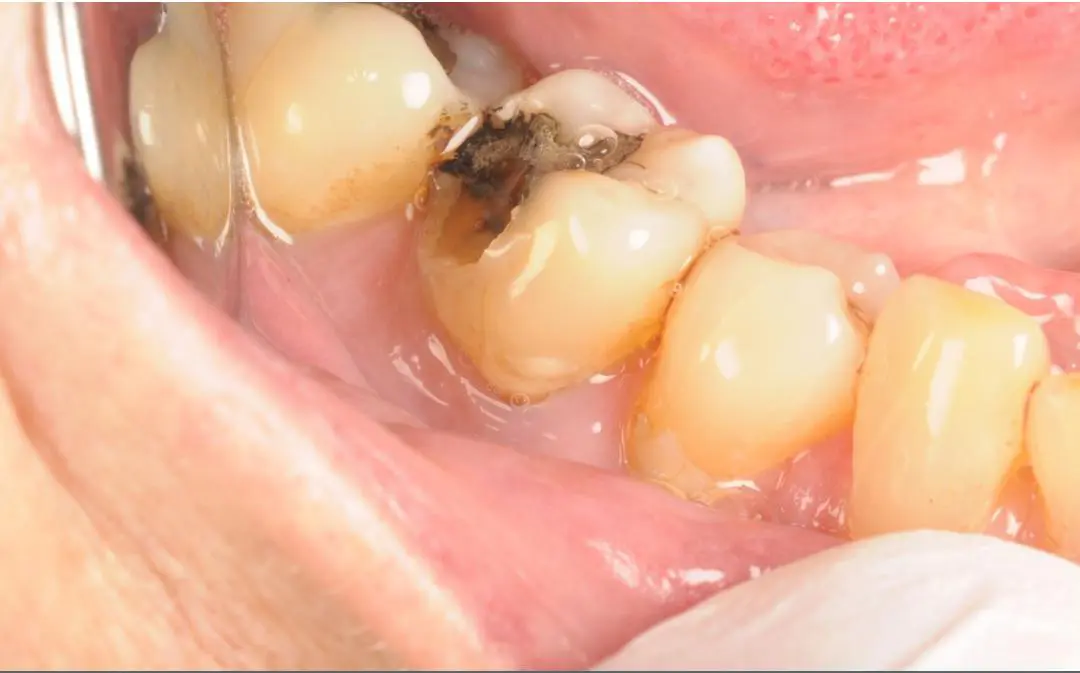
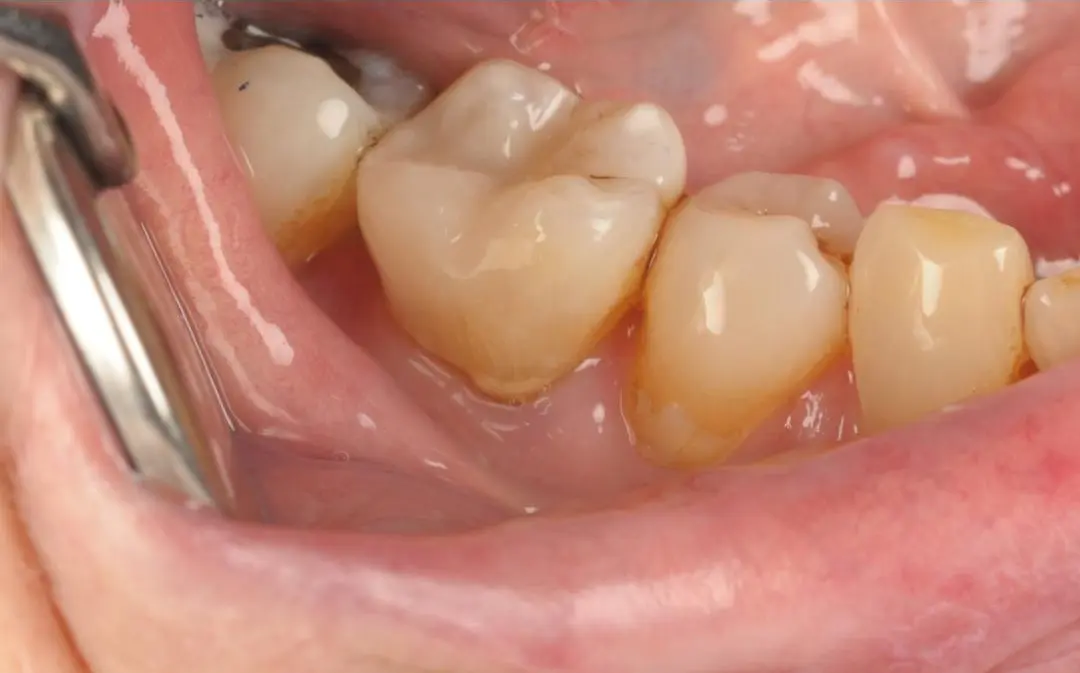
Real Patient Result: Emergency White Filling
Treatment by Dr Kamran
Root Fractures
Some tooth injuries are not visible to the naked eye. A fracture of the tooth root, beneath the gum line, may only be identified through a clinical examination and dental X-rays. Root fractures can affect the long-term health of the tooth and may require specialist assessment.
What Happens Inside the Tooth During an Injury: The Clinical Science Explained
To understand why tooth injuries can vary so much in severity, it helps to know a little about tooth anatomy and what occurs beneath the surface when trauma strikes.
Each tooth is made up of several layers. The outermost layer is enamel, which is the hardest substance in the human body and serves as a protective shell. Beneath the enamel lies dentine, a slightly softer but still robust layer that makes up the bulk of the tooth structure. At the centre of the tooth is the pulp chamber, which contains the nerve, blood vessels, and connective tissue that keep the tooth alive.
When a tooth sustains an impact, the force can travel through these layers. A minor chip may only affect the enamel, while a stronger blow can crack through the dentine and expose or damage the pulp. If the pulp is compromised, the blood supply to the tooth may be disrupted, which can lead to the tooth gradually losing vitality over time.
The periodontal ligament — the thin layer of tissue connecting the tooth root to the surrounding bone — can also be stretched, torn, or compressed during an injury. This is why teeth may feel loose or displaced following trauma. The surrounding alveolar bone (the part of the jawbone that holds the teeth) can also fracture in more severe cases.
Understanding these structures helps explain why even injuries that appear minor on the surface may still benefit from professional evaluation. Internal damage is not always immediately apparent, and some complications — such as pulp necrosis or root resorption — may develop gradually over the weeks and months following the initial trauma.
Immediate First Aid Steps After a Tooth Injury
Knowing what to do in the moments following a tooth injury can be valuable. While these steps do not replace professional dental care, they may help manage the situation until you are able to see a dentist.
For a knocked-out adult tooth:
- Find the tooth and pick it up by the crown (the visible white part). Avoid touching the root.
- If the tooth is dirty, rinse it gently with milk or saline solution. Do not scrub it or use soap.
- If possible, try to gently reinsert the tooth into the socket and hold it in place by biting down softly on a clean cloth.
- If reinsertion is not possible, place the tooth in a small container of milk or hold it inside the cheek (between the gum and cheek) to keep it moist.
- Seek emergency dental care as quickly as possible — ideally within 30 to 60 minutes.
For a chipped or cracked tooth:
- Rinse the mouth gently with warm water.
- If there is bleeding, apply gentle pressure with clean gauze.
- A cold compress held against the outside of the cheek may help reduce swelling.
- Avoid biting on the affected side and contact a dentist promptly.
For a loosened tooth:
- Try not to wiggle or move the tooth with your tongue or fingers.
- Eat only soft foods and avoid the injured area when chewing.
- Arrange a dental appointment as soon as you can.
If you experience any tooth injury, it is generally advisable to seek a professional dental assessment even if the damage appears minimal. Some injuries may have underlying complications that are not immediately visible.
How an Emergency Dentist May Help With Tooth Injuries
When you visit an emergency dentist following a tooth injury, the appointment will typically begin with a thorough clinical examination. The dentist will assess the visible damage, check the surrounding teeth and soft tissues, and may take X-rays to evaluate the tooth root and underlying bone.
Based on the findings, the dentist may discuss a range of treatment options depending on the nature and severity of the injury. For minor chips, dental bonding or smoothing of the enamel edge may be appropriate. For more significant fractures, a dental crown or restoration may be considered to protect and rebuild the remaining tooth structure.
If the pulp has been exposed or damaged, root canal treatment may be discussed as a way of preserving the tooth. In cases where a tooth has been knocked out and reimplanted, the dentist may stabilise it using a flexible splint and monitor its healing over time.
In some situations, particularly where the tooth cannot be saved, the dentist will explain the options for replacing the missing tooth, which may include bridges, dentures, or implant-supported restorations. It is important to remember that every injury is different, and the most appropriate treatment will depend on the individual clinical findings. The dentist will explain the available options, expected outcomes, and any associated considerations so that you can make an informed decision about your care.
When Professional Dental Assessment May Be Needed
While not every bump to the mouth results in a serious injury, there are certain signs and symptoms that suggest a dental assessment would be beneficial. Being aware of these can help you decide when to seek professional advice.
You may wish to arrange a dental evaluation if you notice:
- A tooth that has been knocked out, loosened, or pushed out of position
- Visible chips, cracks, or fractures on any tooth
- Persistent or worsening pain following an impact to the mouth
- Sensitivity to hot, cold, or sweet foods that was not present before the injury
- Swelling of the gum, cheek, or jaw near the affected area
- Bleeding from the gums or around the teeth that does not stop with gentle pressure
- Discolouration of a tooth in the days or weeks following trauma — this may suggest changes to the tooth's blood supply
- Difficulty opening or closing the mouth, or discomfort when biting together
It is worth noting that some tooth injuries may not produce immediate symptoms. Damage to the pulp or root can develop gradually, which is why follow-up appointments are often recommended even when the initial symptoms appear to have resolved.
If you are unsure whether your symptoms require urgent attention, contacting an emergency dental service for advice is a sensible first step. A dental professional can help you determine the appropriate level of care.
Please note: Any prices referenced in the above video are indicative and may vary. A full treatment plan with associated costs will be provided following an individual consultation and clinical assessment.
Prevention and Oral Health Advice: Reducing the Risk of Tooth Injuries
While it is not possible to prevent all dental accidents, there are practical steps that may help reduce the likelihood and severity of tooth injuries.
Wear a Mouthguard During Sports
If you participate in contact sports or any physical activity where there is a risk of impact to the face, wearing a properly fitted mouthguard is widely regarded as one of the more effective protective measures. Custom-fitted mouthguards, made by a dentist from impressions of your teeth, generally offer better protection and comfort than standard shop-bought varieties.
Be Mindful of Hard Foods and Objects
Avoid biting down on very hard items such as ice cubes, boiled sweets, popcorn kernels, or non-food objects like pen caps. If you have existing dental restorations, these may be particularly vulnerable to damage from excessive force.
Maintain Good Oral Health
Teeth that are strong and well-maintained are generally more resilient. Attend regular dental check-ups, maintain a thorough daily oral hygiene routine (brushing twice daily with fluoride toothpaste and cleaning between the teeth), and address any dental concerns promptly. Conditions such as untreated decay can weaken the tooth structure, making it more susceptible to fractures.
Address Bruxism (Tooth Grinding)
If you grind or clench your teeth — particularly during sleep — this can place repeated stress on the teeth and increase the risk of cracks or fractures over time. A dentist may recommend a protective night guard or splint to help reduce the impact of grinding.
Childproof Your Home
For families with young children, taking simple safety precautions around the home — such as using corner guards on sharp furniture edges and ensuring floors are kept clear of trip hazards — may help reduce the risk of falls that could lead to dental injuries.
Key Points to Remember
- Tooth injuries can range from minor chips to completely knocked-out teeth, and not all damage is immediately visible.
- Prompt action following dental trauma — particularly for a knocked-out tooth — may improve the chances of a positive outcome.
- An emergency dentist for tooth injury situations can assess the full extent of damage, manage symptoms, and discuss appropriate treatment options based on a clinical examination.
- Internal damage to the tooth pulp or root may develop over time, so follow-up dental appointments are often recommended even when symptoms appear mild.
- Wearing a mouthguard during sports and avoiding biting on hard objects are practical steps that may help reduce the risk of dental trauma.
- Every injury is individual, and treatment suitability depends on a thorough clinical assessment by a qualified dental professional.
Frequently Asked Questions
What should I do if my tooth is knocked out in an accident?
If an adult tooth is knocked out, try to find the tooth and handle it only by the crown — the white visible part — avoiding contact with the root. Rinse it gently with milk if needed, and attempt to reinsert it into the socket. If this is not possible, store the tooth in milk or hold it inside your cheek and seek emergency dental care immediately. Time is an important factor, and seeing a dentist within 30 to 60 minutes may improve the likelihood of successfully reimplanting the tooth. Baby teeth that are knocked out should generally not be reimplanted, but a dental assessment is still advisable.
Can a chipped tooth heal on its own?
Tooth enamel does not regenerate or heal in the way that skin or bone can. Once a tooth is chipped, the lost structure will not grow back naturally. However, minor chips that only affect the enamel surface may not always require immediate treatment. A dentist can assess the chip, smooth any sharp edges, and recommend whether restorative treatment — such as bonding or a crown — may be beneficial. It is worth having even small chips evaluated, as they can sometimes indicate deeper structural damage that is not visible to the eye.
How quickly should I see a dentist after a tooth injury?
As a general guide, it is advisable to see a dentist as soon as possible following any dental trauma. For a knocked-out tooth, seeking care within the first hour is particularly important. For other injuries, such as chips, cracks, or loosened teeth, arranging an appointment within the same day or the next day is generally recommended. Even if the initial pain subsides, a professional assessment is valuable because some complications — such as nerve damage or root fractures — may only become apparent during a clinical examination or through dental imaging.
Is a cracked tooth always a dental emergency?
Not every crack requires immediate emergency treatment, but all cracked teeth should be assessed by a dental professional. Minor cracks in the enamel (known as craze lines) are very common and may not cause symptoms. However, deeper cracks that extend into the dentine or pulp can lead to sensitivity, pain, or infection over time. The severity of the crack and the symptoms it produces will help the dentist determine the most appropriate management. If you are experiencing pain, sensitivity, or swelling alongside a cracked tooth, seeking prompt dental advice is recommended.
Will my tooth change colour after an injury?
It is possible for a tooth to change colour following trauma. A tooth that appears darker — grey, yellow, or pink — in the weeks or months after an injury may indicate that the blood supply to the pulp has been affected. This does not always mean the tooth is non-viable, but it does warrant a dental assessment. The dentist may monitor the tooth over time and carry out tests to determine whether the pulp remains healthy. If the pulp has lost vitality, treatment options such as root canal therapy may be discussed.
Are children's teeth more vulnerable to injury?
Children's teeth can be particularly susceptible to dental trauma due to active play, developing coordination, and participation in sports. Primary (baby) teeth and newly erupted permanent teeth may respond differently to injury compared with mature adult teeth. If your child experiences dental trauma, seeking a prompt professional assessment is advisable, as the dentist can evaluate the injury and discuss appropriate next steps based on the child's individual clinical needs.
This article is for general informational purposes only and does not constitute clinical advice. Treatment suitability and outcomes depend on individual clinical assessment by a qualified dental professional. If you are experiencing a dental emergency, please contact a dental professional or visit your nearest emergency dental service.
Disclaimer
This article is for general educational purposes only and does not constitute professional dental advice, diagnosis, or treatment. Every patient's circumstances are unique; dental symptoms and treatment options should always be assessed during a clinical examination by a qualified dental professional. No specific outcomes are guaranteed. This content has been prepared in line with GDC, CQC, ASA CAP Code, and GMC communication standards. If you have concerns about your oral health, please contact a registered dentist.