
A sudden crack, a lost filling, or a chipped front tooth — dental emergencies rarely happen at a convenient time. Whether it occurs during a meal, while playing sport, or simply out of the blue, unexpected tooth damage can be both painful and distressing. It is no surprise that thousands of people across London search online each month for emergency dental repair options to understand what they can do before reaching a dentist.
Knowing which quick fixes may help protect a damaged tooth in the short term — and which situations call for immediate professional attention — can make a real difference to the outcome. Emergency dental repair encompasses a range of temporary and permanent solutions designed to restore tooth function, manage discomfort, and prevent further damage.
This article explores the most common emergency dental repair options available, explains the dental science behind tooth damage, and offers practical guidance on when professional assessment is advisable. Understanding your choices can help you feel more confident and informed if a dental emergency ever affects you or someone close to you.
Experiencing these symptoms?
Delaying treatment can lead to tooth loss. We have slots available today.
What Are Emergency Dental Repair Options?
Emergency dental repair options refer to the range of temporary and professional treatments used to address sudden tooth damage, lost restorations, or acute dental pain. These may include temporary filling kits, dental bonding, emergency crowns, re-cementation of lost restorations, and splinting of loosened teeth. The most appropriate approach depends on the type and severity of the damage, which a dentist can assess during a clinical examination. Prompt action can help preserve the tooth structure and reduce the risk of complications.
Common Causes of Dental Emergencies
Dental emergencies can arise from a wide variety of everyday situations. Understanding what typically causes sudden tooth damage may help you take steps to reduce your risk.
Trauma and accidents are among the most frequent causes. A fall, a knock during contact sports, or even biting down on an unexpectedly hard object — such as an olive stone or popcorn kernel — can crack, chip, or dislodge a tooth. Road traffic incidents and workplace injuries also contribute to dental trauma cases seen across London.
Meet Dr. Yasha Shirazi
Principal Dentist at Emergency Dentist London
"We treat hundreds of dental emergencies every month. The sooner you come in, the easier the fix usually is."
Book an appointment with our team →Weakened tooth structure is another common factor. Teeth that have large existing fillings, untreated decay, or previous root canal treatment may be more vulnerable to fracture. Over time, the structural integrity of a restored tooth can diminish, meaning that even normal chewing forces may cause a filling to loosen or a cusp to break away.
Decay and infection can also lead to emergencies. A cavity that has been developing unnoticed may eventually reach the inner pulp of the tooth, causing sudden and intense pain. In some cases, an abscess may form, leading to swelling and discomfort that requires urgent attention.
Understanding these causes highlights the importance of regular dental assessments, which can identify potential vulnerabilities before they develop into emergencies.
Recognising the Signs of a Dental Emergency
Not every dental concern requires immediate emergency care, but certain signs may indicate that prompt professional assessment is advisable. Recognising these signs can help you respond appropriately and protect your oral health.
Severe or persistent toothache that does not respond to over-the-counter pain relief may suggest an underlying issue such as deep decay, a cracked tooth, or an infection. Pain that wakes you at night or intensifies when lying down can be particularly concerning.
A chipped, cracked, or broken tooth — especially if the damage exposes the inner layers of the tooth — may need timely repair to prevent bacteria from reaching the pulp chamber. If you can see a pink or red area within the break, this may indicate pulp exposure.
A knocked-out (avulsed) tooth is one of the most time-sensitive dental emergencies. The chances of successfully replanting a permanent tooth are highest within the first 30 to 60 minutes, so swift action is important.
Swelling of the face, gums, or jaw, particularly if accompanied by fever or difficulty swallowing, may suggest a spreading infection that warrants urgent assessment.
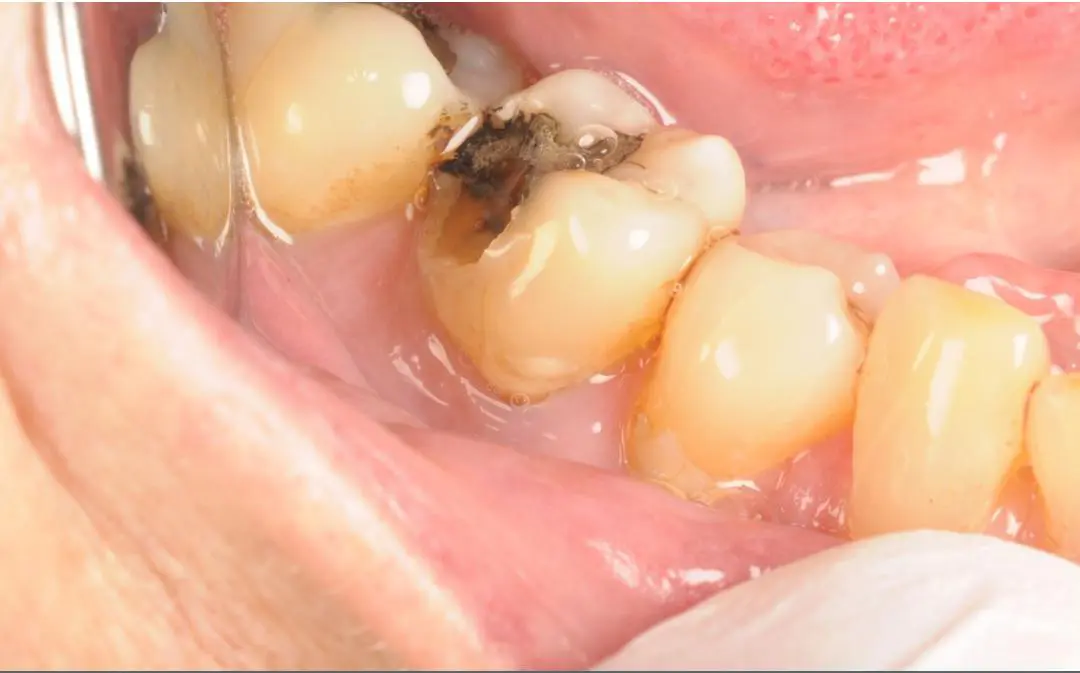
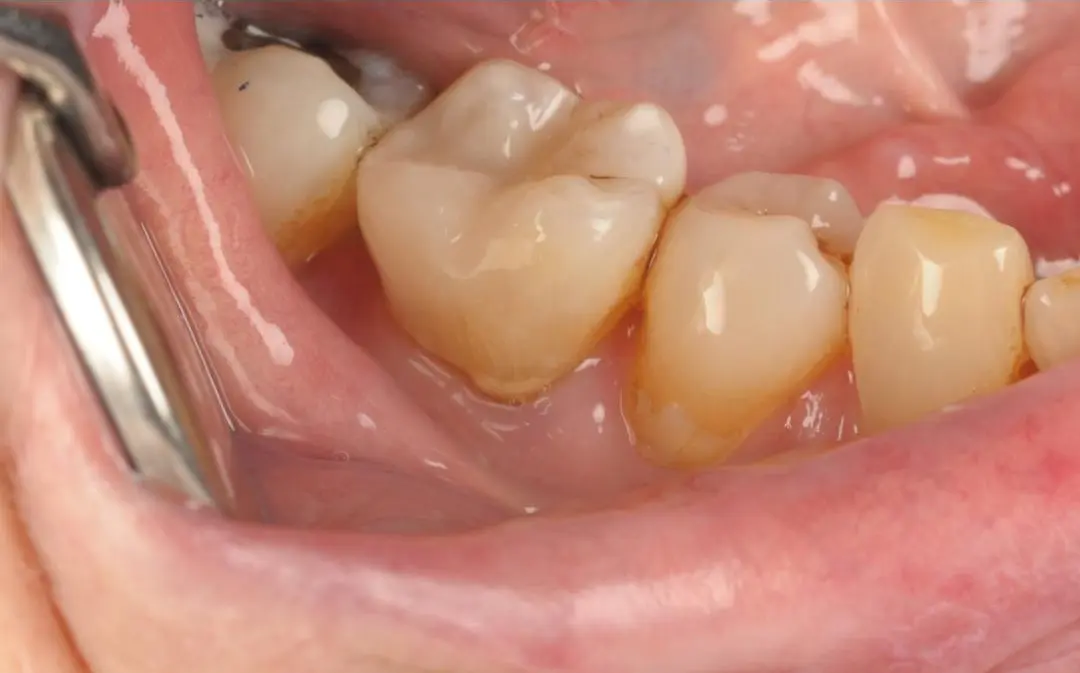
Real Patient Result: Emergency White Filling
Treatment by Dr Kamran
A lost filling, crown, or veneer may leave the underlying tooth exposed and sensitive. While not always acutely painful, seeking repair relatively promptly can help prevent further damage.
Temporary Fixes You Can Use Before Seeing a Dentist
When a dental emergency occurs outside of surgery hours, a few practical steps may help manage the situation temporarily. It is important to remember that these are short-term measures and should not replace professional dental treatment.
For a lost filling, over-the-counter temporary filling material — available from most pharmacies — can be used to cover the cavity and protect the exposed tooth. Sugar-free chewing gum has sometimes been suggested as a very short-term option, although purpose-made dental repair kits are preferable.
For a chipped or broken tooth, rinsing the mouth gently with warm water can help clean the area. If there is any bleeding, applying gentle pressure with a piece of clean gauze may help. Avoid chewing on the affected side and consider a soft diet until you can be seen.
For a knocked-out permanent tooth, handle the tooth by the crown (the white part) rather than the root. If possible, gently rinse it and try to place it back into the socket. If that is not feasible, store the tooth in milk or a tooth preservation product. Time is critical, so contact a dentist as soon as possible.
For a loose or displaced crown, some pharmacies stock temporary dental cement that can hold the crown in place until a professional can re-cement it properly. Avoid using household adhesives.
For managing discomfort, over-the-counter painkillers such as paracetamol or ibuprofen — taken according to the manufacturer's instructions — may provide temporary relief.
Professional Emergency Dental Repair Treatments
When you reach a dental surgery, several professional repair options may be considered depending on the nature of the damage. The suitability of each treatment is determined through clinical examination and, where appropriate, dental imaging such as X-rays.
Dental Bonding
Dental bonding involves the application of a tooth-coloured composite resin material to repair chips, cracks, or minor fractures. The material is shaped directly onto the tooth and hardened using a curing light. Bonding is often a same-day procedure and can restore both the appearance and function of a damaged tooth.
Emergency Crowns and Temporary Restorations
For more significant fractures — particularly where a large portion of tooth structure has been lost — a dental crown may be recommended. In an emergency setting, a temporary crown can be placed to protect the tooth while a permanent restoration is fabricated. Temporary crowns help maintain bite alignment and shield the tooth from further damage.
Re-cementation of Restorations
When a crown, bridge, or veneer has become dislodged but remains intact, it may be possible to clean and re-cement the restoration. This is often a straightforward procedure that can be completed during an emergency appointment.
Splinting
If a tooth has been loosened or partially displaced by trauma, splinting may be used to stabilise it. This involves bonding a thin wire or composite material to the affected tooth and the neighbouring teeth, allowing the supporting structures to heal. Splinting is typically a temporary measure, and the tooth is monitored over the following weeks.
Understanding the Dental Science Behind Tooth Damage
To appreciate why prompt repair matters, it helps to understand a little about tooth structure. Each tooth is composed of several layers, and damage to different layers carries different implications.
Enamel is the outermost layer — the hard, white surface visible in the mouth. It is the most mineralised tissue in the human body, yet it can still crack or chip under sufficient force. Enamel does not contain nerves, so damage confined to this layer may not cause pain but can leave the tooth vulnerable to further wear or decay.
Dentine lies beneath the enamel. It is softer and contains microscopic tubules that connect to the nerve of the tooth. When dentine is exposed — through a crack, chip, or lost filling — you may experience sensitivity to temperature, sweetness, or pressure. Exposed dentine also provides a pathway for bacteria to penetrate deeper into the tooth.
The pulp is the innermost part of the tooth, containing the nerve and blood supply. If damage or decay reaches the pulp, it can cause significant pain and may lead to infection. At this stage, root canal treatment may be necessary to save the tooth.
Understanding these layers explains why even a seemingly minor chip warrants professional assessment — what appears superficial on the surface may involve deeper structural compromise that only a clinical examination and X-ray can reveal.
When Professional Dental Assessment May Be Needed
While some dental issues may feel manageable at home, there are situations where seeking a professional evaluation is particularly important. The following signs suggest that a dental assessment would be advisable:
- Pain that persists for more than a day or two, or that worsens over time, may indicate an issue that requires clinical investigation.
- Visible damage to a tooth, including cracks, chips, or a colour change following trauma, may benefit from examination to assess the extent of the injury.
- Swelling around the gum, jaw, or face — particularly if it is increasing — may suggest an infection that could require treatment.
- A tooth that feels loose or has shifted position after an impact should be assessed promptly, as early intervention may improve the outcome.
- Bleeding that does not stop after gentle pressure has been applied for 15 to 20 minutes may need professional attention.
- Sensitivity that develops suddenly, especially to hot or cold, may indicate exposed dentine or a cracked tooth.
If you are unsure whether your situation requires urgent care, contacting an emergency dentist in London for guidance can help you determine the appropriate next step.
Please note: Appointment fees and treatment costs may vary. A full treatment plan with associated costs will be provided following your consultation and clinical assessment.
Prevention and Oral Health Advice
While not all dental emergencies can be prevented, there are practical steps that may help reduce your risk and protect your teeth from unexpected damage.
Wear a mouthguard during sport. Custom-fitted mouthguards provide significantly better protection than over-the-counter varieties. If you participate in contact sports, rugby, boxing, or even activities with a risk of falls such as cycling or skateboarding, a mouthguard is a worthwhile investment.
Avoid using your teeth as tools. Opening packaging, tearing tape, or cracking nuts with your teeth places them under forces they are not designed to withstand. These habits are a surprisingly common cause of chips and fractures.
Be mindful of hard foods. Biting into ice cubes, boiled sweets, or crusty bread with excessive force can cause cracks, particularly in teeth that already have restorations.
Attend regular dental check-ups. Routine examinations allow your dentist to identify weakened fillings, early signs of decay, or hairline cracks before they develop into emergencies. Prevention through regular assessment is one of the most effective strategies for avoiding urgent dental situations.
Maintain good oral hygiene. Brushing twice daily with fluoride toothpaste and cleaning between your teeth with interdental brushes or floss helps maintain strong tooth structure and healthy gums, reducing vulnerability to decay-related emergencies.
Key Points to Remember
- Emergency dental repair options range from temporary at-home measures to professional treatments such as bonding, crowns, and splinting.
- Handling a knocked-out tooth correctly and seeking care promptly can significantly influence the outcome.
- Temporary pharmacy kits can provide short-term protection, but professional assessment remains important.
- Tooth damage may extend deeper than it appears — clinical examination helps determine the full extent of injury.
- Wearing a mouthguard and avoiding hard foods can help reduce the risk of dental trauma.
- Regular dental check-ups play a key role in identifying potential problems before they become emergencies.
Frequently Asked Questions
What should I do if my tooth gets knocked out?
If a permanent tooth is knocked out, try to handle it only by the crown and avoid touching the root. Gently rinse away any visible debris without scrubbing. If possible, place the tooth back into the socket and hold it gently in position. If reinsertion is not possible, store the tooth in milk or a specialist preservation solution. Contact a dentist immediately, as the likelihood of successful replantation is highest within the first hour. Time is a critical factor, so seeking professional help as quickly as possible is strongly advisable.
Can I fix a chipped tooth at home?
Temporary measures — such as covering a sharp edge with dental wax or using an over-the-counter repair kit — can provide short-term relief and protect the inside of your mouth from irritation. However, these are not permanent solutions. A chipped tooth should be assessed by a dentist to determine whether the damage is confined to the enamel or extends into deeper layers. Professional treatment such as dental bonding or a crown may be recommended depending on the severity and location of the chip.
How long can I wait before seeing a dentist for a lost filling?
While a lost filling may not always cause immediate pain, the exposed cavity is vulnerable to bacteria, sensitivity, and further damage. It is generally advisable to see a dentist within a few days. In the meantime, a temporary filling kit from a pharmacy can help protect the tooth. Avoid chewing on the affected side and try to keep the area clean. If you experience significant pain, swelling, or sensitivity, seeking an earlier appointment would be appropriate.
Are emergency dental repairs permanent?
Some emergency repairs, such as dental bonding for minor chips, can be long-lasting. However, many emergency treatments — including temporary crowns and re-cemented restorations — may serve as interim solutions until a more definitive restoration can be planned. The longevity of any repair depends on the extent of the original damage, the type of restoration used, and ongoing oral care. Your dentist will discuss whether follow-up treatment is likely to be needed during your assessment.
How can I manage dental pain before my appointment?
Over-the-counter pain relief such as paracetamol or ibuprofen, taken according to the product instructions, may help manage discomfort. Applying a cold compress to the outside of the cheek near the affected area can help reduce swelling. Avoid very hot or cold foods and drinks if the tooth is sensitive. Rinsing gently with warm salt water may also provide some relief. These measures can help bridge the gap until you are able to see a dentist, but they do not address the underlying cause.
Is a cracked tooth always a dental emergency?
Not every crack requires immediate emergency treatment, but all cracked teeth benefit from professional assessment. A minor craze line in the enamel may simply need monitoring, whereas a crack that extends into the dentine or pulp may require more prompt intervention. If a cracked tooth is causing pain — particularly when biting or when exposed to temperature changes — scheduling an appointment sooner rather than later is advisable. Without assessment, it is difficult to determine the severity of a crack from appearance alone.
Conclusion
Dental emergencies can be unsettling, but understanding the available emergency dental repair options can help you respond calmly and effectively. From temporary at-home measures to professional treatments such as bonding, crowns, and splinting, there are solutions for a wide range of urgent dental situations.
The key principles remain consistent: protect the tooth, manage discomfort sensibly, and seek professional assessment in a timely manner. Many dental emergencies may have favourable outcomes when addressed promptly, though results depend on individual circumstances and the nature of the damage. Even temporary repairs can play an important role in preserving tooth structure until a definitive treatment plan is in place.
Maintaining regular dental check-ups, practising good oral hygiene, and taking sensible precautions during sport and daily life can all help reduce the likelihood of dental emergencies. However, if an unexpected dental problem does arise, knowing what steps to take — and when to seek help — puts you in a well-informed position.
Dental symptoms and treatment options should always be assessed individually during a clinical examination.
Disclaimer
This article is for general educational purposes only and does not constitute professional dental advice, diagnosis, or treatment. Every patient's circumstances are unique; dental symptoms and treatment options should always be assessed during a clinical examination by a qualified dental professional. No specific outcomes are guaranteed. This content has been prepared in line with GDC, CQC, ASA CAP Code, and GMC communication standards. If you have concerns about your oral health, please contact a registered dentist.