
A cracked, loose, or missing dental crown can be a stressful experience, particularly when it happens unexpectedly. Many patients find themselves searching online for advice on emergency crown placement because they are unsure whether the situation requires immediate attention or whether it can wait until a routine appointment. Understanding what to do when a crown fails or when a damaged tooth needs urgent protection can help you feel more confident about taking the right steps.
Emergency crown placement is a procedure carried out when a tooth requires rapid restoration — often following trauma, significant decay, or the sudden loss of an existing crown. Knowing the basics of how crowns work, why they may fail, and what to expect during an emergency appointment can make a considerable difference to your comfort and peace of mind.
This article explains the common reasons behind urgent crown needs, what happens during the procedure, how to care for a temporary or emergency crown, and when it may be appropriate to seek professional dental advice. Whether you are experiencing discomfort right now or simply want to be prepared, this guide aims to provide clear, practical information.
Experiencing these symptoms?
Delaying treatment can lead to tooth loss. We have slots available today.
What Is Emergency Crown Placement?
Emergency crown placement is a dental procedure in which a protective cap is fitted over a damaged, weakened, or exposed tooth on an urgent basis, typically outside of a planned treatment schedule. The crown covers the visible portion of the tooth above the gum line, restoring its shape, strength, and function whilst protecting it from further damage or infection.
In an emergency setting, a dentist may fit a temporary crown to stabilise the tooth until a permanent restoration can be custom-made in a dental laboratory. Temporary crowns are usually fashioned from acrylic or composite resin and are designed to provide short-term protection.
There are several situations in which emergency crown placement may be considered:
Meet Dr. Yasha Shirazi
Principal Dentist at Emergency Dentist London
"We treat hundreds of dental emergencies every month. The sooner you come in, the easier the fix usually is."
Book an appointment with our team →- A previously fitted crown has come loose or fallen off entirely
- A tooth has fractured or cracked significantly due to trauma
- Extensive decay has compromised the structural integrity of a tooth
- A root canal treated tooth requires immediate protection
The urgency of the situation is assessed on a case-by-case basis. In some instances, a same-day appointment may be necessary; in others, short-term self-care measures may be appropriate whilst awaiting a dental visit. Treatment suitability always depends on a thorough clinical assessment by a qualified dental professional.
Common Reasons a Crown May Be Needed Urgently
Understanding why a dental crown might be required on an emergency basis can help patients recognise when timely dental attention may be beneficial. Several circumstances commonly lead to an urgent need for crown placement.
Trauma or Injury
A blow to the face — whether from a sports injury, a fall, or an accident — can crack, chip, or fracture a tooth severely. When the remaining tooth structure is insufficient to support a filling, a crown may be the most appropriate way to restore and protect it.
Loss of an Existing Crown
Crowns can become dislodged over time due to weakening of the dental cement, decay underneath the crown, or biting down on something particularly hard. When a crown falls off, the underlying tooth is often vulnerable and sensitive.
Severe Tooth Decay
If decay progresses to a point where a large portion of the tooth is compromised, a standard filling may not provide adequate support. In these cases, a crown can offer more comprehensive coverage and structural reinforcement.
Post Root Canal Treatment
Following root canal treatment, a tooth can become more brittle over time. Placing a crown promptly helps to prevent fracture and supports long-term tooth preservation.
Cracked Tooth Syndrome
Hairline cracks in teeth can worsen rapidly, especially under biting pressure. An emergency crown may be recommended to hold the tooth together and prevent further splitting.
The Dental Science Behind Crown Placement
To understand why crowns are such an effective restoration, it helps to know a little about tooth anatomy.
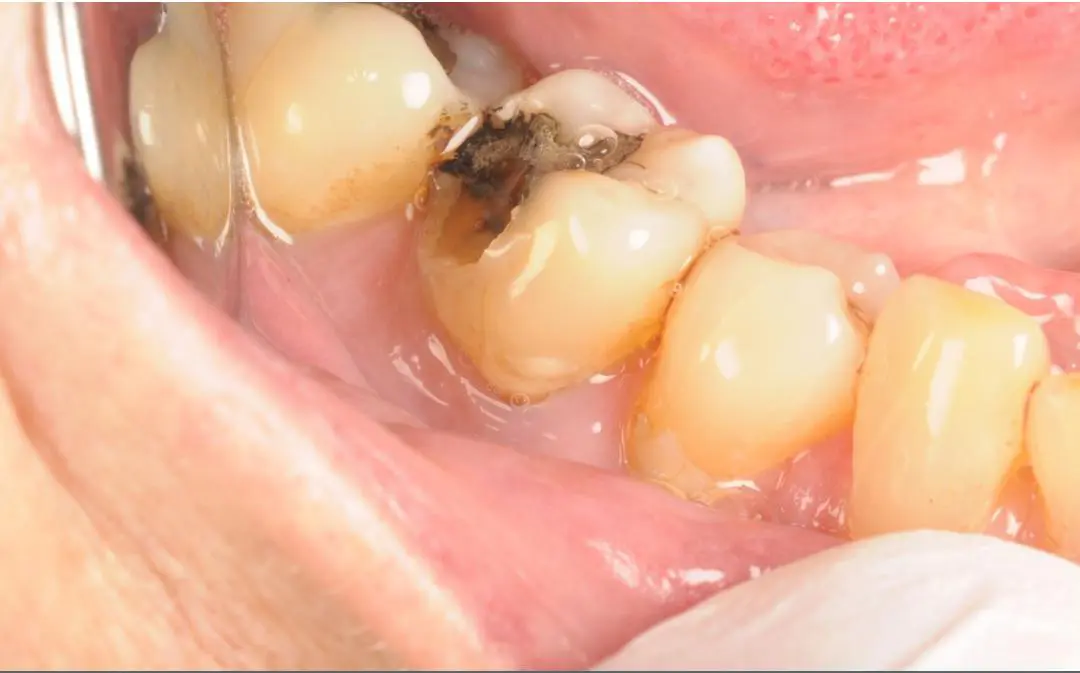
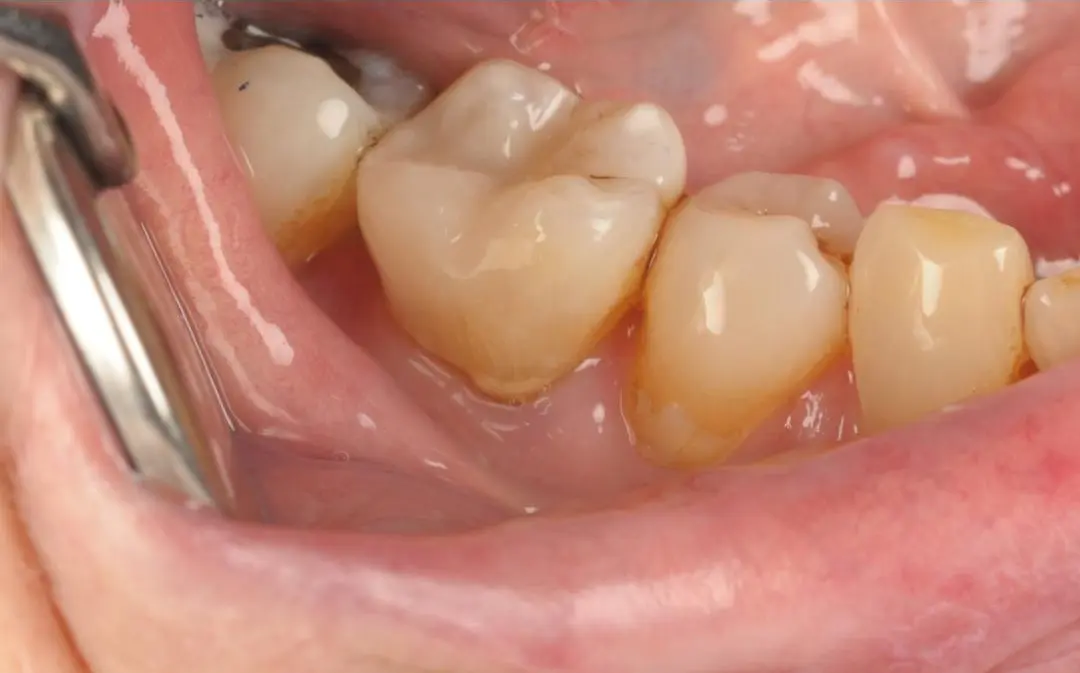
Real Patient Result: Emergency White Filling
Treatment by Dr Kamran
Each tooth consists of several layers. The outermost layer, enamel, is the hardest substance in the human body and serves as the tooth's primary defence against decay and physical damage. Beneath the enamel lies dentine, a slightly softer but still resilient layer that makes up the bulk of the tooth structure. At the centre is the pulp, which contains the tooth's nerves and blood supply.
When enamel is breached — whether through decay, fracture, or erosion — the dentine becomes exposed. Dentine contains microscopic tubules that connect to the nerve within the pulp, which is why a damaged tooth can become highly sensitive to temperature, pressure, and sweet or acidic foods.
If the damage extends to the pulp, infection can develop, potentially leading to an abscess. A dental crown acts as a protective shell, covering and sealing the compromised tooth to prevent bacteria from reaching the inner layers. In emergency situations, this protective function is particularly important because the tooth is often in a vulnerable state.
The crown essentially replaces the natural enamel, distributing biting forces evenly across the tooth and reducing the risk of further fracture. Modern crowns can be made from a range of materials including porcelain, ceramic, metal alloy, or a combination, depending on the tooth's location and the patient's clinical needs.
What to Expect During an Emergency Crown Appointment
If you attend an emergency dental appointment for crown placement, knowing what to expect can help ease any anxiety. Whilst every case is different, the general process typically involves several key stages.
Assessment and Examination
The dentist will first examine the affected tooth, often using dental X-rays to assess the extent of damage beneath the surface. This helps determine whether a crown is the most suitable option or whether alternative treatments may be more appropriate.
Tooth Preparation
If a crown is recommended, the tooth is carefully shaped to create space for the restoration. Any decay is removed, and the tooth is reduced in size so that the crown can fit snugly over it. Local anaesthetic is used to ensure comfort throughout the procedure.
Impression or Digital Scan
An impression of the prepared tooth and surrounding teeth is taken, either using traditional dental putty or a digital intraoral scanner. This information is used to create a permanent crown that fits precisely.
Temporary Crown Fitting
In most emergency situations, a temporary crown is placed on the same day. This protects the tooth whilst the permanent crown is being fabricated. Temporary crowns are secured with a weaker cement so they can be easily removed at the follow-up appointment.
Permanent Crown Placement
At a subsequent appointment, the temporary crown is removed and the permanent crown is checked for fit, colour, and bite accuracy before being cemented into place. Your dentist will provide guidance on aftercare to help the restoration last as long as possible.
Caring for a Temporary Emergency Crown
After receiving a temporary crown, proper care is important to ensure it remains in place and the underlying tooth stays protected until your permanent restoration is ready.
Eating and drinking: Try to avoid chewing on the side of the temporary crown where possible. Sticky foods such as toffee, chewing gum, and caramel can pull the crown loose. Very hard foods — nuts, ice, crusty bread — may crack or dislodge it.
Oral hygiene: Continue brushing your teeth gently, including the area around the temporary crown. When flossing near the crown, slide the floss out from the side rather than pulling it upward, which could catch and displace the restoration.
Sensitivity: Some mild sensitivity to hot and cold is normal after crown preparation. This usually settles within a few days. Over-the-counter pain relief, taken according to the manufacturer's instructions, may help manage any discomfort.
What to do if the temporary crown comes off: If the crown becomes loose or falls off, contact your dental practice as soon as reasonably possible. In the meantime, you may be able to temporarily reposition it using a small amount of over-the-counter dental cement or denture adhesive. Avoid using household glues.
If you experience significant pain, swelling, or signs of infection, it is advisable to seek a prompt emergency dental appointment for assessment.
When Professional Dental Assessment May Be Needed
Whilst minor dental sensitivity or a slightly rough tooth edge may not always require immediate attention, certain symptoms suggest that a professional evaluation would be beneficial. Recognising these signs can help you make an informed decision about when to seek dental care.
You may wish to consider contacting a dentist if you experience:
- Persistent or worsening toothache that does not respond to over-the-counter pain relief
- Visible damage to a tooth, such as a noticeable crack, chip, or fracture
- A crown that has come off, leaving the underlying tooth exposed and sensitive
- Swelling in the gum, cheek, or jaw area near the affected tooth
- Increased sensitivity to hot, cold, or sweet stimuli that lasts more than a few seconds
- Discomfort when biting, which may indicate a crack or structural weakness
- A bad taste or discharge near the tooth, which could suggest infection
These symptoms do not necessarily indicate a serious problem in every case, but a clinical examination allows a dentist to assess the situation accurately and recommend the most appropriate course of action.
If you are uncertain whether your situation requires urgent attention, most dental practices are happy to offer guidance over the telephone.
Prevention and Oral Health Advice
Whilst not all dental emergencies can be avoided, there are practical steps that may help reduce the risk of needing an emergency crown placement.
Attend regular dental check-ups. Routine examinations allow your dentist to identify early signs of decay, cracks, or weakened restorations before they develop into urgent problems. Early intervention is often simpler and less invasive than emergency treatment.
Maintain a thorough oral hygiene routine. Brushing twice daily with fluoride toothpaste and cleaning between your teeth with floss or interdental brushes helps to prevent the decay that can weaken tooth structure over time.
Wear a mouthguard during sports. If you participate in contact sports or activities with a risk of facial impact, a custom-fitted mouthguard can provide valuable protection for your teeth and any existing dental restorations.
Consider a night guard if you grind your teeth. Bruxism — the habit of clenching or grinding your teeth, often during sleep — can place excessive force on crowns and natural teeth alike. A night guard helps distribute these forces and may extend the lifespan of dental restorations.
Be mindful of hard foods. Biting down on particularly hard items such as ice, boiled sweets, or olive stones can fracture both natural teeth and crowns. Cutting harder foods into smaller pieces can reduce the risk.
Address dental concerns promptly. If you notice sensitivity, a rough edge, or a change in how your bite feels, mentioning it at your next dental check-up can help prevent a minor issue from becoming an emergency.
Key Points to Remember
- Emergency crown placement provides urgent protection for a damaged, decayed, or exposed tooth when immediate restoration is needed.
- Crowns may be required following trauma, severe decay, loss of an existing crown, or root canal treatment.
- A temporary crown is typically fitted on the same day, with a permanent crown placed at a follow-up appointment.
- Careful aftercare — including avoiding sticky and hard foods — helps keep a temporary crown in place.
- Persistent pain, swelling, visible damage, or a dislodged crown are signs that a professional dental assessment may be appropriate.
- Regular check-ups, good oral hygiene, and protective measures such as mouthguards can help reduce the likelihood of dental emergencies.
Frequently Asked Questions
How long does an emergency crown last?
A temporary emergency crown is designed as a short-term solution, typically lasting between two and six weeks until a permanent crown can be fitted. Permanent crowns, when properly cared for, can last many years — often ten to fifteen years or longer, depending on the material used and the patient's oral hygiene habits. The longevity of any crown depends on factors such as the location of the tooth, biting forces, and how well oral hygiene is maintained. Your dentist can provide personalised guidance based on your individual clinical situation.
Is emergency crown placement painful?
Emergency crown placement is carried out under local anaesthetic, so the procedure itself should not be painful. You may feel pressure during the tooth preparation, but discomfort is typically well managed. After the anaesthetic wears off, some mild sensitivity or tenderness around the tooth and gum is normal and usually resolves within a few days. Over-the-counter pain relief can help during this period. If you experience significant or prolonged pain following the procedure, it is advisable to contact your dental practice for further assessment.
Can I eat normally with a temporary crown?
It is generally recommended to exercise some caution when eating with a temporary crown. Sticky foods such as toffee, chewing gum, and caramel should be avoided, as they can pull the crown off. Very hard or crunchy foods may damage or dislodge it. Try to chew primarily on the opposite side of your mouth where possible. Once your permanent crown has been fitted and the cement has fully set, you should be able to return to eating more normally, although it is always sensible to be mindful of particularly hard foods.
What should I do if my crown falls off?
If your crown comes off, try to keep it safe and contact your dental practice as soon as you can. In the meantime, you may be able to temporarily reposition it over the tooth using a small amount of over-the-counter dental adhesive or temporary cement, available from most pharmacies. Avoid using household adhesives. If the underlying tooth is sensitive, clove oil applied gently with a cotton bud may provide some temporary relief. It is important to have the crown properly re-cemented or replaced by a dentist to protect the tooth from further damage or decay.
How much does an emergency crown cost in London?
The cost of emergency crown placement in London can vary depending on several factors, including the type of crown material used, the complexity of the case, and the dental practice. It is advisable to discuss fees directly with your dental practice before treatment. Many practices offer an initial consultation or assessment appointment during which the dentist can explain the expected costs and available options. Some practices also offer payment plans to help manage the cost of treatment over time.
Can a damaged tooth always be saved with a crown?
Not always. The suitability of a crown depends on the extent of damage to the tooth and its supporting structures. If a tooth is severely fractured below the gum line, or if there is insufficient healthy tooth structure remaining to support a crown, alternative treatments such as extraction may need to be considered. In some cases, additional procedures may be needed before a crown can be placed. A thorough clinical examination, often including X-rays, is necessary to determine the most appropriate treatment approach for each individual tooth.
Conclusion
Dealing with a damaged or lost dental crown can feel unsettling, but understanding the process of emergency crown placement can help you approach the situation with greater confidence. Whether your tooth has been compromised by trauma, decay, or the failure of an existing restoration, prompt professional attention can make a significant difference to the outcome.
Temporary crowns offer effective short-term protection, and with proper care, they can keep your tooth safe until a permanent restoration is ready. Equally important are the steps you can take to reduce the likelihood of dental emergencies in the first place — regular check-ups, good oral hygiene, and protective measures all play a valuable role.
If you are experiencing dental discomfort or have concerns about a crown, seeking timely professional advice is always a sensible approach. Dental symptoms and treatment options should always be assessed individually during a clinical examination.
Looking after your dental health is an ongoing commitment, and being informed about common procedures and what to expect can help you make the best decisions for your wellbeing.
Disclaimer
This article is for general educational purposes only and does not constitute professional dental advice, diagnosis, or treatment. Every patient's circumstances are unique; dental symptoms and treatment options should always be assessed during a clinical examination by a qualified dental professional. No specific outcomes are guaranteed. This content has been prepared in line with GDC, CQC, ASA CAP Code, and GMC communication standards. If you have concerns about your oral health, please contact a registered dentist.