
Dental pain does not always stay in one place. A toothache may begin in a single tooth, yet the discomfort can spread to your jaw, temple, or ear. Many patients ask: can teeth pain cause ear pain? The answer is yes — and it is far more common than most people realise.
This happens because of something called referred pain. The nerves that supply your teeth, jaw, and ear are closely connected. When a tooth becomes inflamed or infected, pain signals travel along shared nerve pathways and create discomfort in nearby areas — including the ear.
The reassuring news is that once the dental cause is identified and treated, the ear pain usually resolves completely. Early dental care is the most effective way to prevent discomfort from worsening or spreading further.
Experiencing these symptoms?
Delaying treatment can lead to tooth loss. We have slots available today.
Can a Toothache Really Cause Ear Pain?
Yes, a toothache can cause ear pain. The trigeminal nerve — the main sensory nerve in your face — has branches that reach your teeth, gums, jaw, and ear. When inflammation or infection develops in a tooth, pain signals spread along these branches and produce discomfort beyond the tooth itself.
This is why many patients experience toothache and ear pain in the same side. The nerve pathways on each side of the face are separate, so referred pain almost always stays on the side where the dental problem exists.
Quick answer: Toothache can cause ear pain because the trigeminal nerve connects your teeth, jaw, and ear. When a tooth becomes inflamed or infected, pain travels along shared nerve pathways and creates discomfort in the ear. This is called referred pain and is especially common with back teeth and wisdom teeth.
Meet Dr. Yasha Shirazi
Principal Dentist at Emergency Dentist London
"We treat hundreds of dental emergencies every month. The sooner you come in, the easier the fix usually is."
Book an appointment with our team →If you have ear discomfort but no signs of an ear infection — such as hearing changes or discharge — the pain may actually be dental in origin. A dental examination can confirm whether your earache is related to a tooth problem.
How Tooth Infections Cause Referred Ear Pain
When a tooth becomes infected, bacteria create pressure inside the tooth or surrounding gum tissue. This pressure builds as the infection worsens, irritating the nerves in and around the affected area.
Inflammation from a dental infection changes how nearby nerves function. Swollen, irritated nerves become hypersensitive and may send pain signals to the ear, jaw, and surrounding tissues. This is one of the main reasons earache and toothache so often appear together.
Without treatment, ear pain from teeth tends to get worse over time. As the infection progresses, inflammation spreads and places greater pressure on surrounding nerve pathways. If you are dealing with signs of a dental infection, our guide to dental abscess symptoms explains what to look for.
Toothache and Ear Pain on the Same Side — What It Means
One-sided pain is a strong indicator that the source is dental. Because the nerves on each side of your face operate independently, a problem tooth on the right will produce referred pain on the right only. This pattern of tooth and ear pain on the same side is a hallmark of referred dental pain.
It can be tricky to tell the difference between dental-related ear pain and an actual ear infection. Here are some key differences:
Ear infections often involve hearing changes, fluid discharge, or a feeling of fullness
Dental-related ear pain tends to worsen when chewing, biting, or pressing on certain teeth
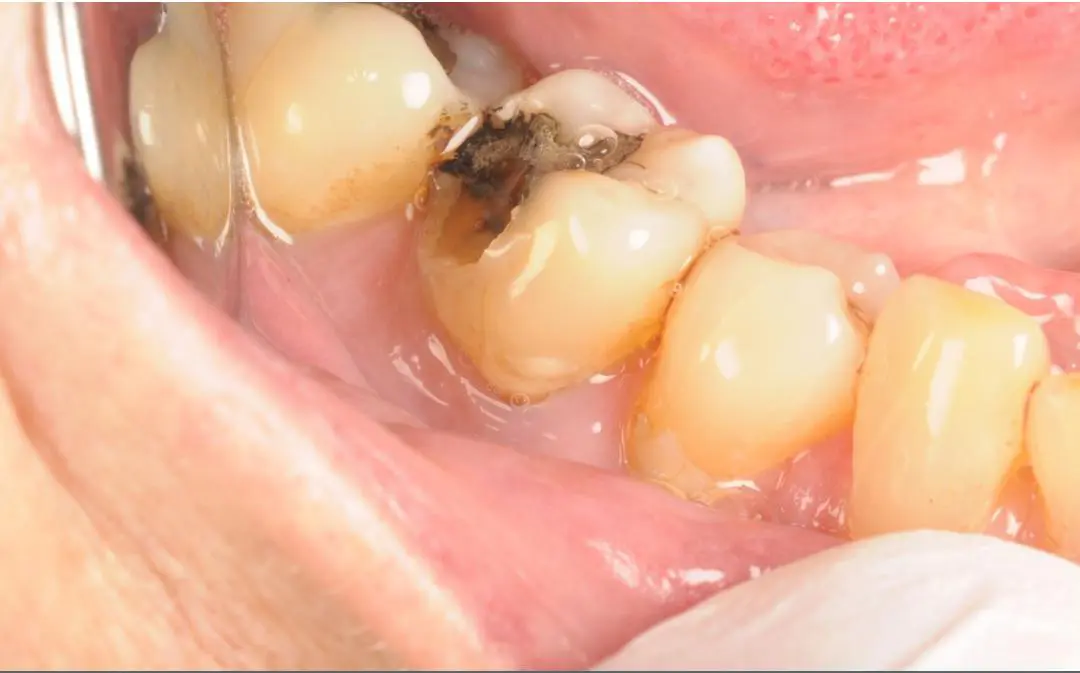
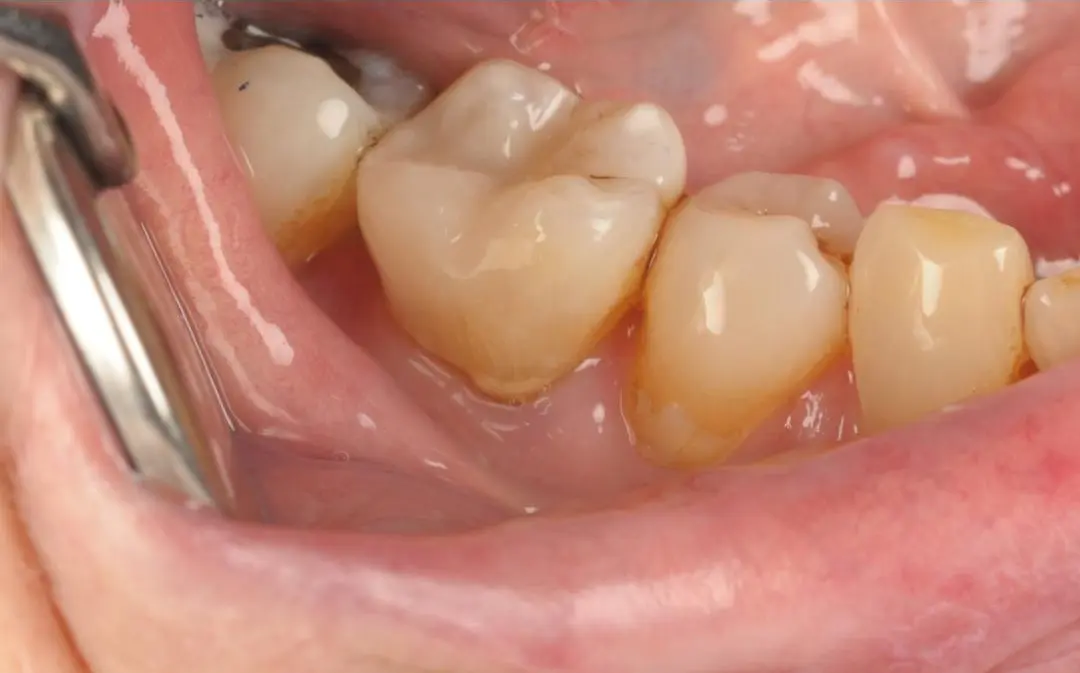
Real Patient Result: Emergency White Filling
Treatment by Dr Kamran
Earache and toothache on the same side that responds to dental pain relief suggests a tooth cause
Pain that throbs in time with your heartbeat often points towards a dental infection
Several signs suggest the problem is dental rather than ear-related:
Sensitivity to hot or cold food and drinks
Visible decay, swelling, or damage around a tooth
A bad taste in your mouth or persistent bad breath
Pain that gets worse when you bite down
Can Wisdom Teeth Cause Earaches?
Wisdom teeth are a particularly common cause of earache. These teeth sit at the very back of your mouth, close to the jaw joint and the ear canal.
When a wisdom tooth is trapped beneath the gum or comes through at an angle, it often causes inflammation in the surrounding tissue. This swelling irritates nerves that connect to the ear, resulting in a persistent ache on that side. A wisdom tooth causing earache is one of the most frequent presentations we see.
The inflammation around an impacted wisdom tooth can also affect the temporomandibular joint, adding jaw stiffness to the discomfort. Common symptoms include difficulty opening the mouth fully, tenderness around the back of the jaw, and a dull earache that seems to come and go without any obvious ear problem.
Earache and Toothache — When It's a Warning Sign
Mild discomfort that comes and goes is not unusual and may settle on its own. However, earache and toothache that persists or worsens over several days deserves proper attention.
Warning signs that the pain may be more serious include:
Pain that interrupts sleep or does not respond to over-the-counter relief
Swelling in the face, jaw, or gum area
A raised temperature alongside the dental pain
A bad taste in the mouth suggesting possible infection
When toothache leading to earache occurs alongside any of these symptoms, it may indicate a spreading infection. Prompt dental assessment is important to prevent complications. If you are experiencing intense discomfort, our guide to severe toothache relief explains what steps to take.
Can an Earache Be Caused by Toothache — or the Other Way Around?
This is a common source of confusion. Many patients are unsure whether their tooth is causing the ear pain, or whether an ear problem is making their teeth hurt.
In the majority of cases, when both symptoms occur together, the tooth is the primary source. Dental infections and inflammation are more likely to produce referred ear pain than the other way round. However, certain jaw conditions can create discomfort that feels remarkably like toothache.
The best way to find out is through a proper dental examination. Dentists use clinical tests, X-rays, and careful assessment to determine whether a tooth is responsible. Identifying the correct source from the outset means you receive the right treatment straight away.
Other Dental Problems That Can Cause Ear Pain
Tooth infections are not the only dental issue linked to ear pain. Several other problems can trigger ear pain related to toothache:
Gum infection: Advanced gum disease creates inflammation that can irritate nerves near the ear. Swollen, tender gums at the back of the mouth are a frequent trigger.
Cracked or damaged teeth: A crack in a tooth can expose the inner nerve, causing sharp pain that radiates to surrounding areas. If you have suffered dental trauma, prompt assessment can prevent further complications.
Bite problems and jaw strain: An uneven bite places extra stress on certain teeth and the jaw muscles. Over time, this strain can cause pain that spreads to the ear and temple.
TMJ inflammation: The temporomandibular joint sits directly in front of your ear. Inflammation in this joint — often caused by grinding, clenching, or bite imbalance — frequently produces ear pain, clicking, and jaw stiffness.
How to Relieve Earache from Toothache (Short-Term Only)
While waiting for your dental appointment, a few simple steps may help ease discomfort temporarily:
Over-the-counter pain relief such as ibuprofen or paracetamol, taken as directed on the packaging
Rinsing gently with warm salt water to help reduce inflammation around the gum
Applying a cold compress to the outside of your cheek for 10"–15 minutes at a time
Avoiding very hot, cold, or sweet foods that may aggravate the sensitive tooth
Sleeping with your head slightly elevated to reduce pressure build-up
These measures may provide short-term comfort, but they do not treat the underlying cause. Home remedies cannot clear a dental infection. If your symptoms persist or worsen, professional dental care is essential to resolve the problem properly.
When Toothache and Ear Pain Become a Dental Emergency
Certain combinations of symptoms signal that same-day dental care may be needed:
Severe, constant pain that does not respond to pain relief
Noticeable swelling in the face, jaw, or around the eye
Fever or feeling generally unwell alongside dental pain
Difficulty swallowing or opening your mouth
Pus or discharge from the gum near a tooth
These signs suggest the infection may be spreading beyond the original tooth. A dental emergency requires prompt professional treatment to bring the infection under control and relieve your pain. You can visit a walk-in dentist in London for same-day assessment without a prior appointment.
When to See a Dentist for Toothache and Ear Pain
If your toothache and ear pain have lasted more than one to two days, booking a dental appointment is sensible — even if the pain feels manageable. Dental problems rarely improve without professional care, and early treatment is almost always simpler and more comfortable than waiting.
You should see a dentist promptly if:
The pain has persisted for more than 48 hours
Over-the-counter pain relief provides only temporary improvement
The pain is affecting your sleep, eating, or daily routine
You notice any swelling, sensitivity, or changes around the affected tooth
A professional assessment allows the dentist to identify the exact source of your pain — whether it is a cavity, infection, wisdom tooth, or jaw issue. The right diagnosis leads to the right treatment, and most patients feel significantly better after their first visit.
Preventing Tooth Infections and Referred Ear Pain
The best way to avoid toothache and ear pain is to look after your teeth before problems develop. Simple habits make a genuine difference:
Attend routine dental check-ups every six months. Regular visits help catch small issues before they become painful.
Treat problems early. A small filling now prevents a large infection later.
Brush twice daily with fluoride toothpaste. Thorough cleaning removes the bacteria that cause decay and gum disease.
Clean between your teeth daily using floss or interdental brushes. Bacteria thrive in spaces a toothbrush cannot reach.
Do not delay if something feels wrong. Pain, sensitivity, or swelling are your body telling you something needs attention. Acting quickly can prevent referred ear pain and more serious complications.
Prevention is always easier, more comfortable, and more affordable than emergency treatment.
Frequently Asked Questions
Can teeth pain cause ear pain?
Yes. The trigeminal nerve connects your teeth, jaw, and ear. When a tooth is inflamed or infected, pain can travel along these shared nerve pathways and create discomfort in the ear. This is known as referred pain and is especially common with upper and lower back teeth.
Can toothache cause earache?
Toothache can absolutely cause earache. Dental infections, deep cavities, and impacted wisdom teeth are the most frequent causes. The pain usually affects the ear on the same side as the problem tooth.
Does toothache cause ear pain?
It can. Toothache causes ear pain when inflammation or infection in a tooth irritates the surrounding nerves. These nerves send pain signals to the ear, creating the sensation of earache even though the ear itself is healthy.
Can wisdom teeth cause earaches?
Yes. Wisdom teeth sit at the back of the mouth, very close to the ear and jaw joint. When they are impacted, partially erupted, or infected, the resulting inflammation commonly causes earache alongside jaw stiffness and difficulty opening the mouth.
Can earache be caused by toothache?
In many cases, yes. When tooth pain and earache appear on the same side, the dental problem is often the primary cause. A dental examination with X-rays can confirm whether the tooth is responsible for the ear discomfort.
How to relieve earache from toothache?
Short-term relief may include over-the-counter pain medication, warm salt water rinses, and cold compresses applied to the cheek. However, these are temporary measures only. Professional dental treatment is needed to address the underlying cause and provide lasting relief.
Watch: Your Emergency Dental Appointment Explained
Disclaimer
This article is for general educational purposes only and does not constitute professional dental advice, diagnosis, or treatment. Every patient's circumstances are unique; dental symptoms and treatment options should always be assessed during a clinical examination by a qualified dental professional. No specific outcomes are guaranteed. This content has been prepared in line with GDC, CQC, ASA CAP Code, and GMC communication standards. If you have concerns about your oral health, please contact a registered dentist.