
A sudden sharp twinge when sipping a hot drink or biting into something cold can be deeply unsettling. If you have ever wondered whether that fleeting discomfort could mean you have a cracked tooth and sensitivity, you are certainly not alone. Thousands of adults across London search for answers to this exact concern every month, hoping to understand what is happening and what they can do about it.
A cracked tooth is one of the more common dental issues that brings patients to seek urgent advice. The difficulty is that cracks are not always visible to the naked eye, and the sensitivity they produce can range from mild and intermittent to sharp and persistent. Understanding the possible causes, recognising the signs, and knowing when to seek a professional dental assessment can make a significant difference to the outcome.
This article explains the key facts behind cracked teeth and tooth sensitivity, outlines practical steps you may take at home for temporary comfort, and discusses the treatment approaches a dentist may consider. Our aim is to help you feel informed, reassured, and confident about your next steps.
Experiencing these symptoms?
Delaying treatment can lead to tooth loss. We have slots available today.
What Is a Cracked Tooth and Why Does It Cause Sensitivity?
A cracked tooth occurs when a fracture develops in the tooth structure, which may extend through the enamel and into deeper layers. This crack can expose the sensitive dentine or pulp tissue beneath, allowing temperature changes, pressure, and certain foods to trigger sharp or lingering sensitivity. The severity of symptoms typically depends on the location, depth, and extent of the crack, and a clinical examination is needed to determine the most appropriate course of action.
Common Causes of a Cracked Tooth
Teeth are remarkably strong, yet they are not indestructible. A number of everyday factors can contribute to cracks developing over time or occurring suddenly.
Biting on hard objects such as ice, boiled sweets, olive stones, or unpopped popcorn kernels is one of the most frequent causes. The sudden concentrated force can exceed what the tooth structure can withstand, leading to a fracture.
Meet Dr. Yasha Shirazi
Principal Dentist at Emergency Dentist London
"We treat hundreds of dental emergencies every month. The sooner you come in, the easier the fix usually is."
Book an appointment with our team →Bruxism (teeth grinding), particularly during sleep, places sustained pressure on the teeth. Over months and years, this repetitive force can weaken enamel and create hairline cracks that gradually worsen.
Large existing fillings may compromise the structural integrity of a tooth. When a significant portion of the natural tooth has been replaced by filling material, the remaining tooth walls can become more vulnerable to fracturing under normal chewing forces.
Sudden temperature changes in the mouth — for instance, eating very hot food followed immediately by an icy drink — can cause thermal stress within the tooth structure.
Age-related wear is another contributing factor. Teeth naturally experience cumulative stress over a lifetime, and cracks become more common in adults over 40.
Trauma or injury, whether from a sports impact, a fall, or an accident, can also cause immediate cracks of varying severity.
Understanding these causes can help you take practical steps to reduce your risk, which we discuss later in this article.
Recognising the Signs and Symptoms
Cracked teeth can be tricky to identify because symptoms are often inconsistent. You may notice discomfort one day and nothing the next. However, there are several common signs to be aware of.
Sharp pain when biting or chewing is one of the most characteristic symptoms. The discomfort often occurs when you release the bite rather than when you first clamp down, as the crack opens momentarily under pressure.
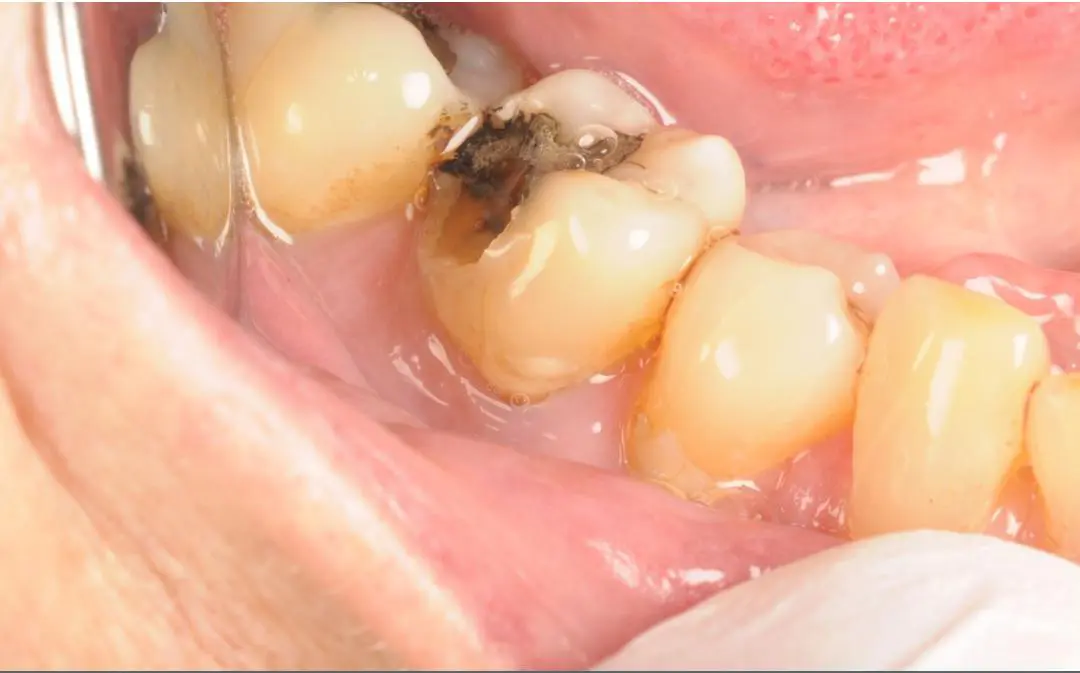
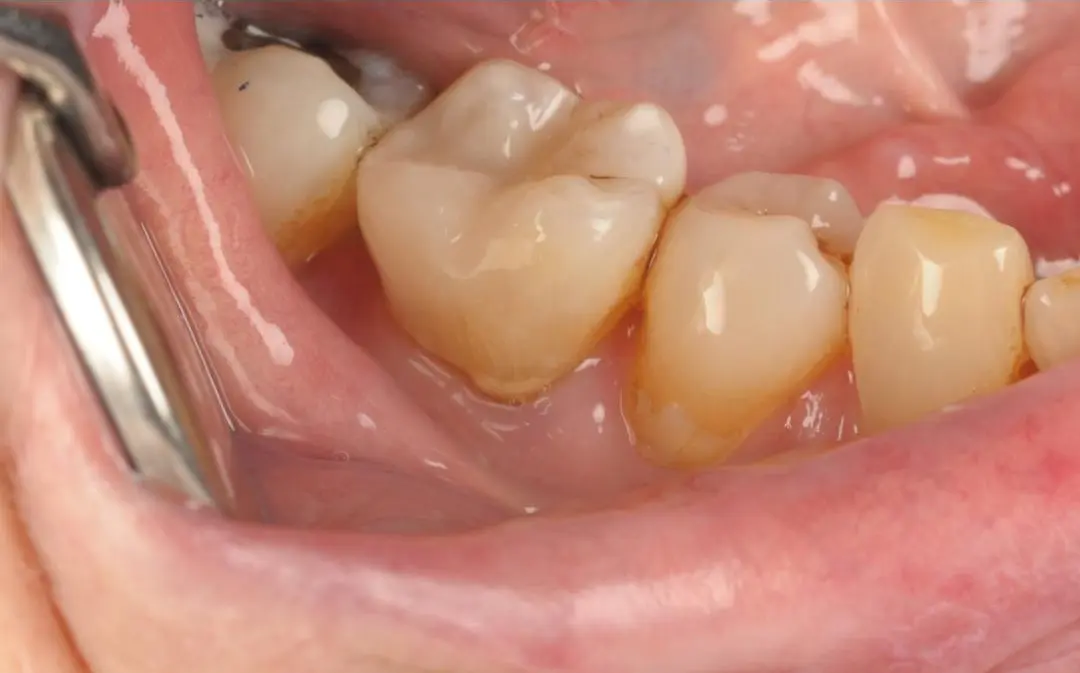
Real Patient Result: Emergency White Filling
Treatment by Dr Kamran
Sensitivity to hot, cold, or sweet foods and drinks is frequently reported. This happens because the crack allows external stimuli to reach the more sensitive inner layers of the tooth.
Intermittent discomfort that comes and goes can be confusing. Unlike a cavity, which tends to produce more consistent symptoms, a cracked tooth may only hurt in certain situations or when chewing on a particular side.
Swelling of the gum around the affected tooth may develop if the crack has allowed bacteria to reach the inner pulp tissue, potentially leading to infection over time.
Difficulty pinpointing the exact tooth is also common. Patients often know something is wrong but struggle to identify precisely which tooth is causing the problem.
If you are experiencing any combination of these symptoms, it may be helpful to arrange a dental assessment to understand what might be happening.
Understanding the Dental Science Behind Cracked Teeth
To understand why a cracked tooth causes sensitivity, it helps to know a little about tooth anatomy.
Each tooth is made up of several layers. The outermost layer is enamel, which is the hardest substance in the human body. Enamel acts as a protective shield, insulating the inner structures from temperature, pressure, and bacteria.
Beneath the enamel lies dentine, a yellowish layer that contains millions of microscopic tubules — tiny channels that lead towards the centre of the tooth. Dentine is significantly more sensitive than enamel because these tubules communicate directly with the nerve-rich pulp chamber at the tooth's core.
The pulp contains blood vessels, nerves, and connective tissue. It is responsible for nourishing the tooth during development and continues to provide sensation throughout life.
When a crack penetrates through the enamel and reaches the dentine, external stimuli such as hot tea, cold water, or sugary foods can travel through those microscopic tubules and stimulate the nerve endings within the pulp. This is what produces that characteristic sharp, sudden sensitivity.
If the crack extends further into the pulp itself, bacteria from the mouth may enter, potentially causing inflammation or infection. This is why early assessment can be valuable — identifying the extent of a crack helps a dentist determine the most suitable approach before complications develop.
Fast Fixes: Temporary Measures for Managing Discomfort at Home
While home measures are not a substitute for professional dental care, there are several practical steps that may help manage discomfort temporarily until you are able to see a dentist.
Desensitising toothpaste containing ingredients such as potassium nitrate or stannous fluoride may help reduce sensitivity over several days of regular use. Apply a small amount directly to the affected area and leave it in place for a few minutes before rinsing.
Avoiding temperature extremes can help minimise discomfort. Try drinking beverages at a lukewarm temperature and avoiding very cold or very hot foods.
Chewing on the opposite side of your mouth reduces pressure on the affected tooth and may prevent the crack from worsening in the short term.
Over-the-counter pain relief such as paracetamol or ibuprofen, taken according to the manufacturer's instructions, may help manage discomfort. Always check for any contraindications before taking medication.
Maintaining gentle oral hygiene around the area is important. Continue brushing and flossing carefully to keep the area clean and reduce the risk of bacterial accumulation around the crack.
Avoiding hard, crunchy, or sticky foods can help prevent further damage to the compromised tooth.
These measures are intended as short-term comfort strategies. A professional clinical examination is the most reliable way to assess the situation and discuss appropriate next steps.
Treatment Approaches Your Dentist May Consider
The treatment for a cracked tooth depends on several factors, including the location, size, and depth of the crack, as well as the symptoms you are experiencing. A dentist will assess these elements during a clinical examination before recommending any course of action.
Dental bonding may be suitable for minor cracks that are limited to the enamel. A tooth-coloured composite resin material is applied to the crack to restore the tooth's appearance and provide a degree of protection.
A dental crown is often considered when a more significant portion of the tooth structure is compromised. A crown fits over the entire visible portion of the tooth, helping to hold it together and distribute biting forces more evenly. You can learn more about how dental crowns may help protect damaged teeth.
Root canal treatment may be appropriate if the crack has extended into the pulp and caused inflammation or infection. This procedure involves carefully removing the affected pulp tissue, cleaning the root canals, and sealing the tooth to prevent further bacterial entry.
In some cases, extraction may be necessary if the crack extends below the gum line or splits the tooth vertically in a way that cannot be repaired. Your dentist would discuss replacement options such as dental implants or bridges if this were the case.
It is important to understand that the suitability of any treatment depends entirely on the individual clinical picture. What works well for one patient may not be appropriate for another.
When Professional Dental Assessment May Be Needed
Certain symptoms may suggest that it would be wise to arrange a dental appointment sooner rather than later. Recognising these signs can help you take timely action.
Persistent or worsening sensitivity that does not settle with desensitising toothpaste or home measures over a few days may warrant professional evaluation.
Pain that occurs spontaneously, without an obvious trigger such as eating or drinking, can sometimes indicate that the pulp tissue has become involved.
Swelling, tenderness, or a raised area on the gum near a sensitive tooth may suggest an inflammatory response or the early stages of an infection.
Difficulty eating or drinking due to discomfort, particularly if it affects your daily routine or nutrition, is a sensible reason to seek advice.
A visible crack, chip, or rough edge on a tooth, even if it is not currently painful, may benefit from assessment to determine whether it could worsen over time.
Sensitivity following a dental injury or trauma — for example, after a fall, a sports impact, or biting something unexpectedly hard — should ideally be checked promptly.
If you are experiencing symptoms that concern you, our team is available to help. You can find further information about accessing emergency dental appointments in London when you need prompt care.
Please note: appointment fees and treatment costs may vary depending on individual circumstances. A full treatment plan with associated costs will be provided following your consultation.
Prevention and Oral Health Advice
While it is not always possible to prevent a cracked tooth entirely, there are practical steps you can take to reduce your risk and protect your dental health.
Wear a custom mouthguard if you grind your teeth. If you are aware that you clench or grind — particularly at night — a professionally fitted mouthguard can help cushion the teeth and distribute forces more evenly, reducing the likelihood of cracks developing.
Use a mouthguard during contact sports. Whether you play rugby, football, boxing, or any activity where facial impacts are possible, a well-fitted mouthguard provides valuable protection.
Avoid using your teeth as tools. Opening bottles, tearing packaging, or holding objects with your teeth places unnatural stress on the enamel and can lead to fractures.
Be cautious with hard foods. Chewing ice, biting directly into hard sweets, or eating particularly crunchy foods with force can increase the risk of cracks, especially in teeth that already have large fillings.
Attend regular dental check-ups. Routine appointments allow your dentist to identify early signs of weakness, hairline fractures, or worn fillings before they develop into more significant problems.
Maintain good daily oral hygiene. Brushing twice daily with fluoride toothpaste and cleaning between your teeth daily helps keep teeth strong and reduces the risk of decay, which can weaken tooth structure.
Key Points to Remember
- A cracked tooth can cause sharp or intermittent sensitivity to temperature, pressure, and certain foods.
- Cracks range in severity from minor enamel lines to deeper fractures that may affect the pulp.
- Home measures such as desensitising toothpaste and avoiding temperature extremes may offer temporary comfort.
- Treatment options depend on the individual clinical assessment and may include bonding, crowns, or root canal treatment.
- Persistent, worsening, or spontaneous symptoms are a sensible reason to arrange a dental appointment.
- Preventative steps such as wearing a mouthguard and attending regular check-ups can help reduce your risk.
Frequently Asked Questions
Can a cracked tooth heal on its own?
Unlike bone, tooth enamel and dentine do not have the ability to regenerate or repair themselves once damaged. A cracked tooth will not heal on its own, and in many cases, the crack may gradually worsen over time if left unaddressed. While minor enamel craze lines — the very fine surface cracks that are common in adult teeth — may not require treatment, any crack that is producing sensitivity or discomfort should be assessed by a dentist. Early evaluation can help identify appropriate options before the situation becomes more complex.
How do I know if my tooth sensitivity is caused by a crack?
It can be difficult to distinguish between sensitivity caused by a crack and sensitivity caused by other factors such as gum recession, enamel erosion, or tooth decay. However, a cracked tooth often produces a distinctive sharp pain when biting that eases when you release the pressure. Sensitivity that is localised to one specific tooth, particularly during chewing, may suggest a fracture. A dentist can use clinical examination techniques, special instruments, and sometimes imaging to help identify whether a crack is present.
Is a cracked tooth considered a dental emergency?
Whether a cracked tooth requires emergency attention depends on the severity of the symptoms. A small crack with occasional mild sensitivity may be manageable until a routine appointment can be arranged. However, if you are experiencing severe pain, significant swelling, signs of infection, or if a large piece of tooth has broken away, it is advisable to seek prompt dental care. Your dentist can assess the situation and provide appropriate guidance based on the clinical findings.
Can a cracked tooth lead to infection?
If a crack extends deep enough to expose the pulp tissue at the centre of the tooth, bacteria from the mouth may enter and cause inflammation or infection over time. Signs that may suggest infection include persistent throbbing pain, swelling, tenderness when pressing on the gum near the tooth, or a bad taste in the mouth. If you notice any of these symptoms, it is sensible to seek dental advice promptly so that the situation can be assessed and managed appropriately.
What should I avoid eating if I suspect a cracked tooth?
If you suspect a cracked tooth, it may be helpful to avoid very hard foods such as nuts, hard sweets, ice, and crusty bread, as well as very sticky foods like toffee or caramel that could pull on the compromised tooth. Extremely hot or cold foods and drinks may also trigger sensitivity. Chewing on the opposite side of your mouth and opting for softer foods at moderate temperatures can help reduce discomfort until you are able to have the tooth assessed professionally.
How can I prevent my teeth from cracking?
Reducing your risk involves a combination of practical habits. Wearing a custom mouthguard if you grind your teeth or play contact sports is one of the most effective protective measures. Avoiding chewing on hard objects, not using your teeth to open packaging, and attending regular dental check-ups all contribute to long-term tooth health. Maintaining good oral hygiene helps keep teeth strong by preventing decay that could weaken the structure. Your dentist can offer personalised advice based on your individual oral health.
Conclusion
Experiencing a cracked tooth and sensitivity can be uncomfortable and worrying, but understanding the possible causes, recognising the symptoms, and knowing what steps are available can help you feel more in control. From simple home comfort measures to the range of professional treatments that a dentist may consider, there are options to address this common dental concern.
The key message is that early assessment often leads to a wider range of treatment possibilities and may help prevent a small issue from developing into something more complex. Maintaining good oral hygiene habits, attending regular dental appointments, and taking sensible precautions with hard foods and protective mouthguards can all play a role in keeping your teeth healthy and strong.
If you are currently experiencing tooth sensitivity or suspect you may have a cracked tooth, seeking professional guidance is a sensible next step. Your dentist can carry out a thorough examination, discuss what they find, and help you understand which options may be most suitable for your situation.
Dental symptoms and treatment options should always be assessed individually during a clinical examination.
Disclaimer
This article is for general educational purposes only and does not constitute professional dental advice, diagnosis, or treatment. Every patient's circumstances are unique; dental symptoms and treatment options should always be assessed during a clinical examination by a qualified dental professional. No specific outcomes are guaranteed. This content has been prepared in line with GDC, CQC, ASA CAP Code, and GMC communication standards. If you have concerns about your oral health, please contact a registered dentist.