
If you have ever taken a sip of cold water and felt a sudden, sharp jolt of pain shoot through a tooth, you are not alone. This is one of the most common dental concerns that brings patients to search online for answers — and understandably so. That sudden sensitivity to cold water in a broken or damaged tooth can be startling, and many people want to know whether it signals something serious.
Cold water shock on broken teeth is a reaction that often catches people off guard. It can happen when drinking chilled water, eating ice cream, or even breathing in cold air. The intensity of the sensation can range from a mild twinge to a deeply uncomfortable, lingering ache. Understanding why this happens is an important step towards protecting your oral health and knowing when it may be time to seek professional dental advice.
In this article, we will explain the science behind why cold water causes pain in broken or damaged teeth, what symptoms to be aware of, how dentists may approach the issue, and what you can do to look after your teeth and reduce sensitivity in everyday life.
Experiencing these symptoms?
Delaying treatment can lead to tooth loss. We have slots available today.
Why Does Cold Water Hurt Broken Teeth So Fast?
When a tooth is broken, cracked, or chipped, cold water can cause sharp pain almost instantly because the protective outer layers of the tooth — the enamel and sometimes the dentine — have been compromised. This exposes the sensitive inner structures of the tooth, including microscopic tubules in the dentine that lead directly towards the nerve (dental pulp). When cold water reaches these exposed tubules, it triggers rapid fluid movement within them, stimulating the nerve and producing a sudden, sharp pain response. This mechanism is known as the hydrodynamic theory of dentinal sensitivity. The pain from cold water shock on broken teeth tends to feel immediate and intense because temperature changes in liquid transfer very efficiently to the exposed tooth structure. Unlike warm stimuli, cold triggers a particularly rapid response in the nerve fibres. This is why even a small crack or chip — sometimes one that is barely visible — can produce a surprisingly strong reaction when cold water makes contact.
Understanding Tooth Structure: Why Damage Creates Sensitivity
To understand why broken teeth are so vulnerable to cold water, it helps to know a little about tooth anatomy.
Each tooth is made up of several layers:
Meet Dr. Yasha Shirazi
Principal Dentist at Emergency Dentist London
"We treat hundreds of dental emergencies every month. The sooner you come in, the easier the fix usually is."
Book an appointment with our team →- Enamel — the hard, white outer covering of the tooth crown. Enamel is the hardest substance in the human body and acts as the first line of defence against temperature, pressure, and bacteria.
- Dentine — the layer beneath the enamel. Dentine is softer and contains thousands of tiny tubules (microscopic channels) that run from the outer surface towards the pulp.
- Dental pulp — the innermost part of the tooth, containing nerves, blood vessels, and connective tissue. This is the part responsible for sensing pain.
When a tooth is intact, the enamel and dentine work together to insulate the pulp from external stimuli such as hot and cold temperatures. However, when a tooth is broken, cracked, or worn down, the dentine — or in more severe cases, the pulp itself — becomes exposed. Cold water can then penetrate directly to these sensitive areas, causing the rapid pain response that many patients describe as a sharp, electric-like sensation.
This is why even minor chips or hairline cracks can lead to noticeable sensitivity during everyday activities such as drinking or eating.
Common Causes of Broken or Damaged Teeth
A number of factors can lead to a tooth becoming broken, cracked, or chipped, thereby increasing vulnerability to cold water sensitivity:
- Accidental trauma — a fall, sports injury, or impact to the face can crack or fracture a tooth.
- Biting on hard objects — chewing ice, hard sweets, popcorn kernels, or using teeth to open packaging can cause chips or fractures.
- Tooth decay — untreated cavities weaken the tooth structure over time, making it more prone to breaking.
- Large or old fillings — teeth with large restorations may become structurally weaker and more susceptible to fracture.
- Bruxism (teeth grinding) — habitual grinding or clenching, often during sleep, places excessive force on the teeth and can lead to cracks over time.
- Temperature stress — repeatedly exposing teeth to extreme temperature changes (such as eating very hot food followed immediately by cold drinks) can contribute to enamel micro-fractures.
Understanding the cause of the damage can be helpful in determining the most appropriate course of care. In many cases, a dental examination is the most reliable way to identify the extent of any damage.
Symptoms That May Accompany Cold Water Sensitivity in Broken Teeth
Cold water pain in a damaged tooth may present alongside other symptoms. Being aware of these can help you describe your experience clearly if you visit a dentist:
- Sharp, sudden pain when consuming cold food or drinks
- Lingering discomfort that continues after the cold stimulus is removed — this may sometimes suggest deeper involvement of the tooth nerve
- Pain when biting or chewing, particularly on a specific tooth
- Visible damage such as a chip, crack, or missing piece of tooth
- Sensitivity to sweet or acidic foods in addition to temperature sensitivity
- Swelling or tenderness in the gum around the affected tooth — this may indicate infection or inflammation
It is worth noting that not all cracks or fractures are visible to the naked eye. Some hairline fractures, known as craze lines or incomplete fractures, can only be detected during a professional dental examination, sometimes with the aid of magnification or specific diagnostic tests.
How a Dentist May Assess and Treat a Broken Tooth
The approach to managing a broken tooth with cold sensitivity depends on the nature and severity of the damage. During a clinical assessment, a dentist will typically:
- Examine the tooth visually and with dental instruments
- Take dental X-rays to assess the extent of the fracture and check for any involvement of the root or surrounding bone
- Carry out sensitivity tests (such as cold testing) to evaluate the health of the tooth nerve
- Discuss your symptoms, medical history, and any relevant factors
Based on the findings, potential treatment approaches may include:
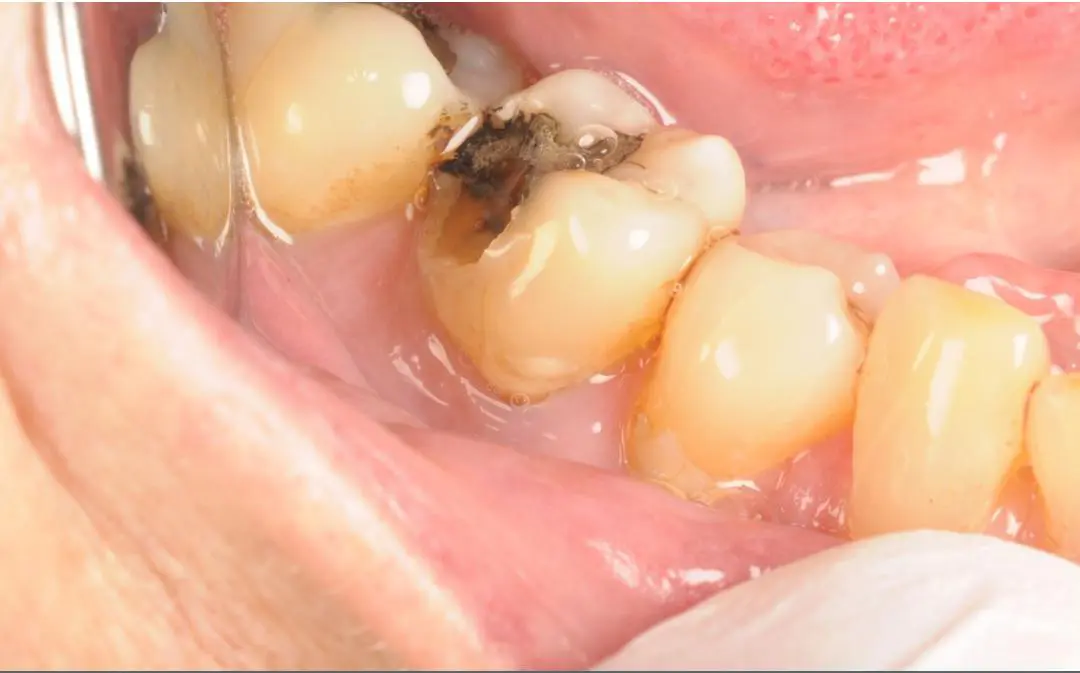
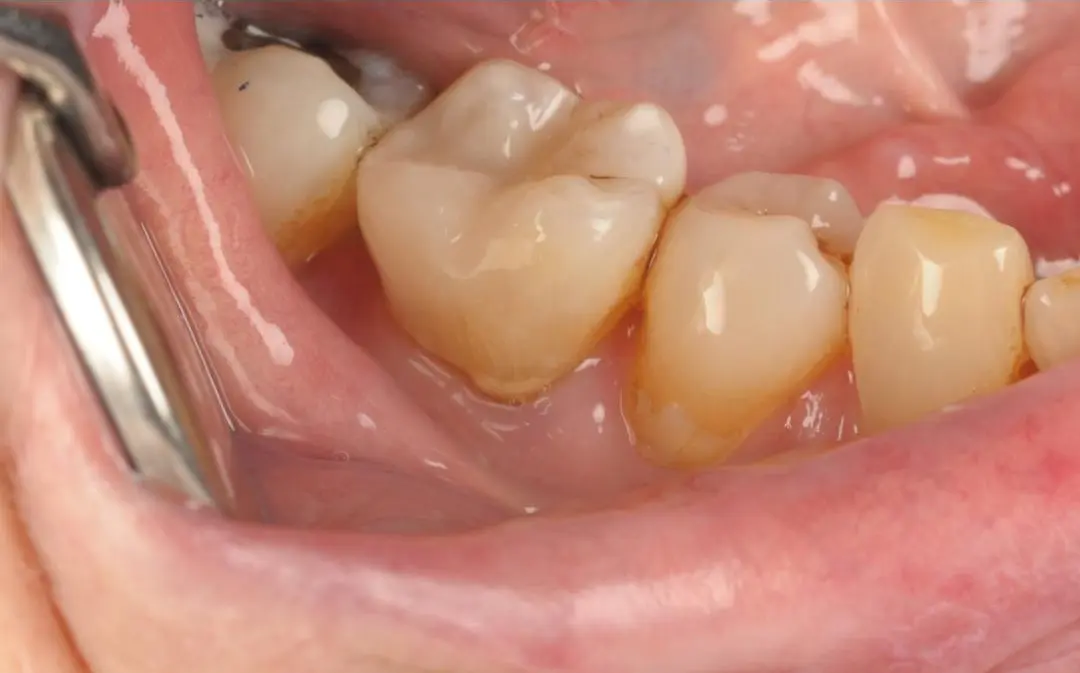
Real Patient Result: Emergency White Filling
Treatment by Dr Kamran
- Dental bonding or composite restoration — for minor chips where the structure can be rebuilt with tooth-coloured filling material.
- A dental crown — for more significant fractures where the remaining tooth structure needs protection and reinforcement. You can learn more about emergency dental crown treatment options.
- Root canal treatment — if the fracture has extended into the pulp and the nerve is damaged or infected, root canal therapy may be considered to preserve the tooth.
- Extraction — in cases where the tooth is severely fractured below the gum line or the damage is beyond repair, removal of the tooth may be the most appropriate option.
Treatment suitability always depends on individual clinical assessment. Your dentist will discuss the available options with you and recommend the most suitable approach for your specific situation.
When Professional Dental Assessment May Be Needed
While occasional, mild tooth sensitivity is relatively common and does not always indicate a serious problem, there are certain situations where seeking a dental evaluation may be appropriate:
- Persistent or worsening sensitivity to cold that does not settle within a few days
- Sharp pain when biting on a particular tooth
- Visible damage to a tooth, such as a chip, crack, or broken piece
- Swelling in the gum or face near the affected tooth
- A tooth that feels loose or has changed position following an injury
- Sensitivity accompanied by a bad taste in the mouth, which may sometimes indicate an infection
- Pain that disrupts sleep or daily activities
If you experience any of these symptoms, it is generally advisable to have the tooth assessed by a dental professional sooner rather than later. Early assessment may help identify the issue and allow for timely management, which can sometimes help preserve the natural tooth.
There is no need to feel alarmed — many causes of cold water sensitivity in teeth are manageable with appropriate care. The key is not to ignore persistent symptoms.
Prevention and Oral Health Advice: Reducing the Risk of Tooth Damage and Sensitivity
While not all tooth fractures can be prevented, there are practical steps you can take to reduce the risk of damage and help protect your teeth from cold sensitivity:
- Wear a mouthguard during sports — a custom-fitted mouthguard can significantly reduce the risk of dental injuries during contact sports or high-impact activities.
- Avoid chewing on hard objects — ice, hard sweets, pen caps, and popcorn kernels are common culprits for tooth fractures.
- Address teeth grinding — if you grind your teeth at night, speak to your dentist about a protective night guard. Bruxism is a common contributor to cracked and fractured teeth.
- Maintain regular dental check-ups — routine examinations can help identify early signs of weakening, cracks, or decay before they progress to a more significant problem.
- Use a fluoride toothpaste — fluoride helps strengthen enamel and can provide some protection against sensitivity.
- Practice good oral hygiene — brushing twice daily with a soft-bristled toothbrush and cleaning between teeth with floss or interdental brushes helps maintain strong, healthy tooth structure.
- Use a desensitising toothpaste — if you experience mild sensitivity, a toothpaste designed for sensitive teeth may help reduce discomfort over time. These products work by gradually blocking the exposed dentinal tubules.
- Avoid extreme temperature changes — try not to follow very hot food immediately with ice-cold drinks, as thermal stress can contribute to enamel micro-fractures over time.
If you have an existing dental concern or would like to discuss preventative options, your dentist can provide personalised advice based on your individual oral health.
Key Points to Remember
- Cold water causes pain in broken teeth because damage to the enamel or dentine exposes the sensitive nerve pathways inside the tooth.
- The pain is often sudden and sharp due to the rapid movement of fluid within the exposed dentinal tubules — a process known as the hydrodynamic theory.
- Even small cracks or chips that are not clearly visible can cause significant cold sensitivity.
- Early dental assessment of a broken or sensitive tooth may help preserve the natural tooth and prevent the issue from worsening.
- Treatment options range from dental bonding and crowns to root canal therapy, depending on the severity of the damage — suitability is determined through clinical examination.
- Good oral hygiene, regular check-ups, and protective measures such as mouthguards and night guards can help reduce the risk of tooth fractures and sensitivity.
Frequently Asked Questions
Why does cold water hurt my tooth more than hot water?
Cold stimuli tend to cause a more rapid and intense response in the nerve fibres of a damaged tooth compared to warm temperatures. When cold water contacts exposed dentine, it causes the fluid within the dentinal tubules to contract and move quickly, triggering a sharp nerve response. Hot stimuli can also cause pain, but the sensation may develop more gradually. If a tooth is sensitive to both hot and cold — particularly if hot sensitivity lingers — this may sometimes suggest deeper involvement of the tooth nerve and should be assessed by a dentist.
Can a cracked tooth heal on its own?
Unlike bone, tooth enamel and dentine do not have the ability to regenerate or heal naturally once they are cracked or broken. A cracked tooth will generally require professional dental treatment to restore its structure and protect the inner layers from further damage or infection. The type of treatment will depend on the location, size, and depth of the crack, which is best assessed during a clinical examination. Using a desensitising toothpaste may help manage mild sensitivity in the meantime, but it does not repair the underlying damage.
Is it normal for a chipped tooth to be sensitive to cold?
It is quite common for a chipped or broken tooth to become sensitive to cold drinks or food. When the enamel is damaged, the underlying dentine — which contains tiny tubules connected to the nerve — becomes exposed to external stimuli. The degree of sensitivity often depends on how deep the chip is and how close the damage is to the dental pulp. Mild sensitivity following a small chip may sometimes settle, but persistent or worsening cold sensitivity is generally worth having assessed to ensure there is no deeper structural damage.
How quickly should I see a dentist for a broken tooth?
If you have broken a tooth and are experiencing pain, sensitivity, swelling, or bleeding, it is advisable to seek dental assessment as soon as practicable. Prompt evaluation can help determine the extent of the damage and may allow for earlier intervention, which can sometimes improve outcomes. If the break is severe, involves significant pain, or is accompanied by swelling, same-day or emergency dental care may be appropriate. For minor chips without significant symptoms, scheduling a dental appointment within a few days is generally reasonable.
Can desensitising toothpaste fix a broken tooth?
Desensitising toothpaste can help manage mild sensitivity by gradually blocking the exposed dentinal tubules, reducing the transmission of stimuli to the nerve. However, it does not repair or restore a broken tooth. If a tooth is fractured, cracked, or chipped, professional dental treatment is typically needed to address the structural damage and protect the tooth from further deterioration or infection. Desensitising toothpaste may be a useful complementary measure while awaiting a dental appointment, but it should not be considered a substitute for clinical assessment and treatment.
Does cold water sensitivity always mean a tooth is broken?
Not necessarily. Cold sensitivity can have several possible causes, including enamel erosion, gum recession exposing the root surface, tooth decay, a worn or leaking filling, or general dentinal hypersensitivity. A broken or cracked tooth is one common cause, but it is not the only explanation. If you are experiencing persistent cold sensitivity, a dental examination can help identify the specific cause and determine whether any treatment is needed. Your dentist may use diagnostic tools such as X-rays and sensitivity tests to assess the affected tooth accurately.
Conclusion
Cold water shock on broken teeth is a common and understandable concern. The sharp, sudden pain that occurs when cold water contacts a damaged tooth is caused by the exposure of sensitive internal structures — particularly the dentinal tubules and, in some cases, the dental pulp itself. Whether the damage results from an accidental injury, tooth decay, grinding, or biting on something hard, understanding the mechanism behind the pain can help you make informed decisions about your oral health.
Maintaining good oral hygiene, attending regular dental check-ups, and using protective measures such as mouthguards and night guards are all practical steps that may help reduce the risk of tooth damage and sensitivity. If you are experiencing persistent cold water sensitivity or have noticed visible damage to a tooth, seeking a professional dental assessment is the most reliable way to understand the issue and explore appropriate care options.
Dental symptoms and treatment options should always be assessed individually during a clinical examination.
Disclaimer
This article is for general educational purposes only and does not constitute professional dental advice, diagnosis, or treatment. Every patient's circumstances are unique; dental symptoms and treatment options should always be assessed during a clinical examination by a qualified dental professional. No specific outcomes are guaranteed. This content has been prepared in line with GDC, CQC, ASA CAP Code, and GMC communication standards. If you have concerns about your oral health, please contact a registered dentist.