
Many patients feel concerned when they notice damage to their white composite fillings, particularly when they discover a chip or crack whilst eating or during their daily oral hygiene routine. This common dental situation often prompts online searches as people seek to understand their options and determine the urgency of seeking professional care.
White composite fillings, also known as tooth-coloured fillings, have become increasingly popular due to their aesthetic benefits and conservative approach to tooth restoration. However, like any dental restoration, they may experience wear, damage, or deterioration over time due to various factors including normal chewing forces, temperature changes, or accidental trauma.
Understanding the available repair options for chipped composite fillings can help patients make informed decisions about their oral health care. This article explores the clinical approaches available for addressing damaged composite restorations, the factors that influence treatment decisions, and the importance of timely professional assessment. Knowledge about composite filling repair options may help patients recognise when dental evaluation might be beneficial and what to expect during the treatment process.
Experiencing these symptoms?
Delaying treatment can lead to tooth loss. We have slots available today.
What Are the Options for Repairing Chipped Composite Fillings?
Chipped white composite fillings can often be repaired through professional dental techniques including composite addition, partial replacement, or complete restoration renewal. The most suitable repair approach depends on factors such as the extent of damage, the filling's age and condition, and the surrounding tooth structure integrity.
Understanding Composite Filling Damage
Composite fillings are designed to withstand normal chewing forces, but several factors can contribute to chipping or damage over time. Understanding these causes can help patients recognise potential risk factors and make informed decisions about their oral health care.
Normal wear and tear represents the most common cause of composite filling damage. Daily activities such as chewing, grinding, and temperature changes from hot and cold foods can gradually affect the material's integrity. The junction between the filling material and natural tooth structure may be particularly susceptible to stress, especially in areas that experience significant biting forces.
Meet Dr. Yasha Shirazi
Principal Dentist at Emergency Dentist London
"We treat hundreds of dental emergencies every month. The sooner you come in, the easier the fix usually is."
Book an appointment with our team →Accidental trauma, such as biting down on hard foods, using teeth as tools, or sports-related injuries, can cause sudden damage to composite restorations. Additionally, habits such as teeth grinding (bruxism) or clenching can place excessive stress on fillings, potentially leading to chips, cracks, or complete failure of the restoration. Understanding how chewing ice can affect dental fillings illustrates how everyday habits contribute to restoration wear.
Age-related factors also play a role in composite filling durability. Over time, the material may experience natural degradation, thermal expansion and contraction cycles, and gradual wear that can make fillings more susceptible to damage.
Clinical Repair Techniques
Dental professionals have several techniques available for addressing chipped composite fillings, with the choice of method depending on the specific clinical situation and the extent of damage present.
Composite addition or bonding represents a conservative repair approach for minor chips or small areas of damage. During this procedure, the dental professional prepares the damaged area, applies bonding agents, and adds new composite material to restore the filling's original shape and function. This technique works particularly well when the majority of the original filling remains intact and well-bonded to the tooth.
Partial replacement may be recommended when damage extends beyond what can be effectively addressed through simple addition. This approach involves removing the damaged portion of the filling whilst preserving healthy restoration material, then rebuilding the affected area with fresh composite material.
Complete restoration replacement becomes necessary when extensive damage has occurred, when the filling shows signs of significant wear or deterioration, or when repair attempts would compromise the restoration's long-term success. This comprehensive approach involves removing the entire existing filling and creating a new restoration.
The Science Behind Composite Bonding
Understanding how composite materials bond to tooth structure helps explain both why damage occurs and how repairs can be successfully achieved. Composite fillings rely on a sophisticated bonding system that creates a strong connection between the artificial material and natural tooth enamel and dentine.
The bonding process involves multiple steps, beginning with tooth preparation and acid etching to create a microscopic surface texture. Bonding agents are then applied to create a chemical and mechanical connection between the tooth and composite material. The composite resin itself consists of a plastic matrix reinforced with glass or ceramic particles, designed to mimic the strength and appearance of natural tooth structure.
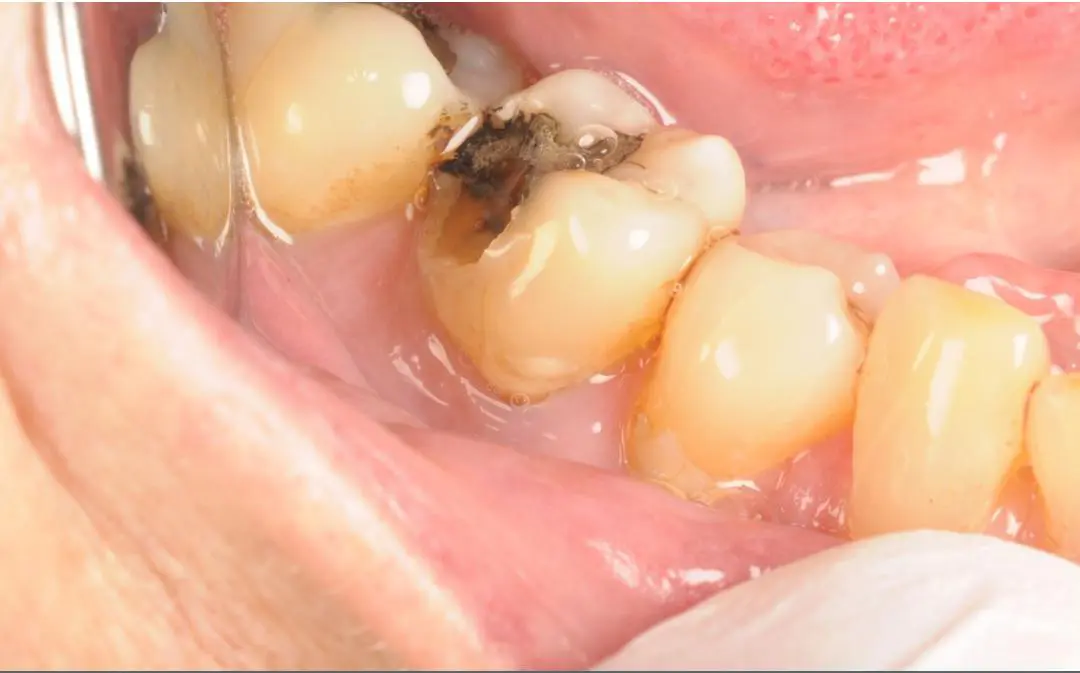
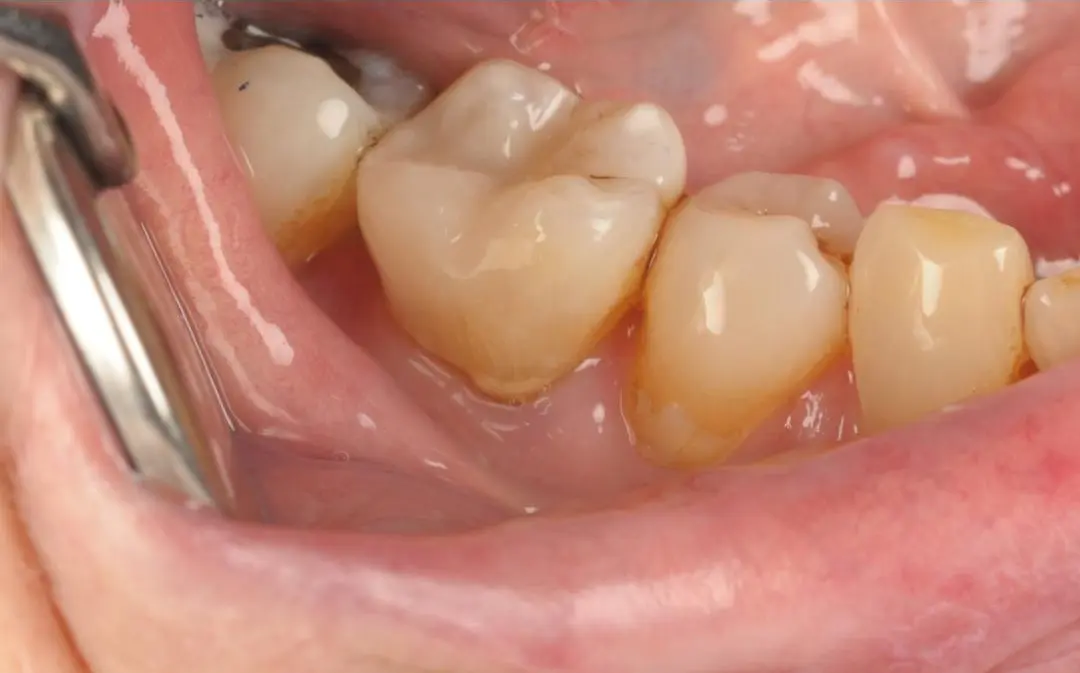
Real Patient Result: Emergency White Filling
Treatment by Dr Kamran
Temperature changes, chewing forces, and time can affect these bonds, potentially creating areas where the filling material separates slightly from the tooth surface. These micro-gaps can serve as starting points for chips or cracks, particularly in areas exposed to high stress.
Modern composite materials and bonding techniques have significantly improved the durability and longevity of white fillings, but understanding these scientific principles helps explain why regular dental examinations remain important for monitoring restoration integrity.
When Professional Assessment May Be Needed
Certain signs and symptoms may indicate that professional dental evaluation could be beneficial for patients with damaged composite fillings. Recognising these situations can help individuals make informed decisions about seeking timely dental care.
Visible damage such as chips, cracks, or rough edges may warrant dental assessment, particularly if the damage affects the filling's seal or exposes underlying tooth structure. Sharp edges that irritate the tongue or cheeks can cause discomfort and may benefit from professional smoothing or repair.
Sensitivity symptoms, including discomfort when consuming hot, cold, or sweet foods and beverages, might indicate that the filling's protective seal has been compromised. Tooth sensitivity after a filling can have various underlying causes that benefit from professional assessment. Changes in bite sensation or feelings that the filling sits differently than before could suggest structural changes that merit professional evaluation.
Food trapping around the filling area or difficulty maintaining cleanliness in the region may indicate gaps or damage that could potentially lead to decay if left unaddressed. Any signs of pain, swelling, or infection symptoms should prompt consideration of professional dental assessment.
Treatment Planning Considerations
Several factors influence the decision-making process when determining the most appropriate repair approach for chipped composite fillings. Understanding these considerations can help patients appreciate why different treatment recommendations might be suggested for seemingly similar situations.
The extent and location of damage play crucial roles in treatment planning. Small chips on non-biting surfaces may be easily repaired, whilst damage on chewing surfaces or involving multiple surfaces might require more comprehensive treatment approaches.
The age and overall condition of the existing filling significantly influence repair decisions. Newer fillings with isolated damage may be good candidates for conservative repair, whilst older restorations showing multiple signs of wear might benefit from complete replacement to ensure long-term success.
The condition of surrounding tooth structure also affects treatment planning. Healthy tooth enamel and dentine provide an excellent foundation for repair procedures, whilst areas showing signs of decay or structural compromise might require additional treatment before restoration repair can be completed.
Patient factors such as bite forces, grinding habits, and oral hygiene maintenance capabilities also influence treatment recommendations, as these factors affect the long-term success of any repair approach.
Prevention and Oral Health Maintenance
Whilst some composite filling damage may occur despite careful oral health maintenance, several strategies can help reduce the risk of chips and extend the lifespan of white fillings.
Regular oral hygiene practices, including gentle brushing with fluoride toothpaste and daily flossing, help maintain the health of tooth structure surrounding fillings. Professional dental cleanings can remove plaque and bacteria that might contribute to decay around restoration margins.
Dietary considerations can also impact filling longevity. Limiting extremely hard foods, avoiding using teeth as tools, and being mindful when eating sticky or chewy foods can help reduce stress on dental restorations. Temperature extremes, such as consuming very hot and very cold foods in quick succession, can cause expansion and contraction that may affect filling materials over time.
For patients who grind or clench their teeth, particularly during sleep, discussing protective options such as nightguards with a dental professional might help reduce excessive forces on fillings and natural teeth alike.
Regular dental examinations allow for early detection of filling wear or damage, potentially enabling conservative repair approaches that might not be possible if problems progress unnoticed.
Key Points to Remember
• Chipped composite fillings can often be repaired using various professional techniques depending on the extent of damage
• Conservative repair approaches may be possible for minor chips, whilst extensive damage might require complete restoration replacement
• The bonding science behind composite fillings explains both how they work and why damage can occur over time
• Professional assessment can help determine the most appropriate repair approach based on individual clinical factors
• Prevention strategies including good oral hygiene and protective habits can help extend filling lifespan
• Regular dental examinations enable early detection and treatment of restoration problems
Frequently Asked Questions
Can small chips in composite fillings be left untreated?
Small chips in composite fillings may potentially worsen over time and could compromise the seal between the filling and tooth structure. Professional evaluation can determine whether immediate repair is advisable or if monitoring the situation might be appropriate, depending on the specific location and extent of damage.
How long do composite filling repairs typically last?
The longevity of composite filling repairs depends on various factors including the repair technique used, the location of the restoration, individual bite forces, and oral hygiene maintenance. Professional assessment can provide guidance about expected durability based on individual circumstances and clinical factors.
Is it normal for composite fillings to chip or wear over time?
Composite fillings, like natural teeth, may experience some wear over time due to normal chewing forces and daily use. However, sudden chipping or extensive damage may benefit from professional evaluation to determine appropriate treatment options and prevent further deterioration.
Can damaged composite fillings cause tooth sensitivity?
Damaged composite fillings may potentially allow temperature changes or bacterial infiltration to reach sensitive tooth structures, which could result in discomfort or sensitivity symptoms. Professional assessment can help determine the cause of sensitivity and appropriate treatment approaches.
What factors affect the success of composite filling repairs?
Several factors influence repair success including the extent of existing damage, the condition of surrounding tooth structure, the age of the original filling, individual oral hygiene habits, and bite forces. Professional evaluation considers these factors when recommending treatment approaches.
Are there alternatives to repairing chipped composite fillings?
Depending on the extent of damage and individual clinical factors, alternatives might include complete filling replacement, different restoration materials, or more extensive treatments such as dental crowns for severely damaged teeth. Professional consultation can discuss available options based on specific circumstances.
Conclusion
Understanding the options available for repairing chipped white composite fillings can help patients make informed decisions about their oral health care. From conservative repair techniques to complete restoration replacement, modern dentistry offers various approaches to address damaged composite restorations effectively.
The success of any repair approach depends on factors including the extent of damage, the condition of surrounding tooth structure, and individual patient circumstances. Professional assessment allows for proper evaluation of these factors and development of appropriate treatment plans tailored to specific needs.
Preventive strategies, including good oral hygiene practices and protective habits, can help extend the lifespan of composite fillings and reduce the risk of damage. Regular dental examinations remain important for early detection of restoration problems, potentially enabling more conservative treatment approaches.
For patients experiencing symptoms or concerns related to damaged composite fillings, timely dental consultation can help address problems before they progress and compromise oral health. Dental symptoms and treatment options should always be assessed individually during a clinical examination.