
Biting down on something unexpectedly hard during a meal — a popcorn kernel, an olive stone, or even a piece of crusty bread — and feeling part of your tooth break away is a startling experience. One of the first thoughts many people have is whether they may have accidentally swallowed the chipped piece, and whether that could cause harm. It is no surprise that "chipped molar while eating" is a common search term, as this type of dental incident happens more frequently than most people realise.
This article explains what happens when a molar chips during eating, what to do if you swallow the fragment, how to protect the remaining tooth structure, and when you may wish to seek a professional dental assessment. Understanding the steps to take immediately after chipping a molar can help you feel more confident about managing the situation calmly. Whether the chip is small or more significant, knowing the facts can reduce unnecessary worry and help you make informed decisions about your dental care. If you are experiencing discomfort or notice sharp edges on a damaged tooth, early professional advice may be beneficial.
What Should You Do If You Chip a Molar While Eating?
If you chip a molar while eating, try to retrieve the broken piece if possible and avoid chewing on that side. Rinse your mouth gently with warm water. If the fragment is accidentally swallowed, it will usually pass through the digestive system without causing harm. However, it is advisable to arrange a dental assessment to evaluate the remaining tooth structure and discuss appropriate treatment options.
Experiencing these symptoms?
Delaying treatment can lead to tooth loss. We have slots available today.
Why Do Molars Chip While Eating?
Molars are the large, flat teeth at the back of your mouth, designed for grinding and chewing food. Despite their strength, they are not immune to damage. A chipped molar while eating can happen for several reasons, and understanding these causes may help you take steps to reduce the risk in future.
One of the most common causes is biting down on an unexpectedly hard object hidden in food, such as a bone fragment, an unpopped popcorn kernel, a fruit stone, or even a piece of shell in seafood. The sudden force applied to a small point on the tooth surface can exceed what the enamel can withstand, resulting in a chip or fracture.
Pre-existing weaknesses in the tooth also play a significant role. A molar that has a large filling, has previously undergone root canal treatment, or has untreated decay may be structurally compromised. Over time, the repeated stress of normal chewing can gradually weaken the tooth until a seemingly ordinary bite causes a piece to break away.
Meet Dr. Yasha Shirazi
Principal Dentist at Emergency Dentist London
"We treat hundreds of dental emergencies every month. The sooner you come in, the easier the fix usually is."
Book an appointment with our team →Bruxism — the habit of grinding or clenching teeth, often during sleep — can also create microscopic stress fractures in the enamel that accumulate over months or years. Temperature extremes, such as eating very hot food followed immediately by a cold drink, can contribute to enamel stress as well.
Understanding Tooth Structure and Why Chips Happen
To appreciate why a chipped molar matters, it helps to understand the basic anatomy of a tooth. Each tooth is made up of several layers, each with a distinct function.
The outermost layer is enamel, the hardest substance in the human body. Enamel acts as a protective shell, shielding the more sensitive structures beneath. Despite its remarkable hardness, enamel is also brittle, which means it can crack or chip under certain conditions — particularly when force is concentrated on a small area.
Beneath the enamel lies dentine, a yellowish layer that is softer and more porous. Dentine contains microscopic tubules that connect to the nerve of the tooth, which is why exposure of dentine after a chip can sometimes lead to sensitivity when eating hot, cold, or sweet foods.
At the centre of the tooth is the pulp, which contains the blood vessels and nerves that keep the tooth alive. If a chip is deep enough to expose or approach the pulp, it may cause more noticeable discomfort and could increase the risk of infection if bacteria enter the area.
When a molar chips, the severity depends on which layers are affected. A small enamel-only chip may cause little discomfort but could leave a sharp edge. A deeper fracture involving the dentine or pulp typically requires more prompt attention. A dentist can assess the extent of the damage during a clinical examination and recommend the most suitable approach.
What Happens If You Accidentally Swallow the Broken Piece?
One of the most immediate concerns after chipping a molar during a meal is the possibility of swallowing the fragment. This is understandably worrying, but in the vast majority of cases, swallowing a small piece of tooth does not cause harm.
Tooth fragments are generally smooth enough to pass through the digestive system without causing injury. The fragment will typically travel through the stomach and intestines and be eliminated naturally within a few days. The body is well-equipped to handle small, inert objects of this size.
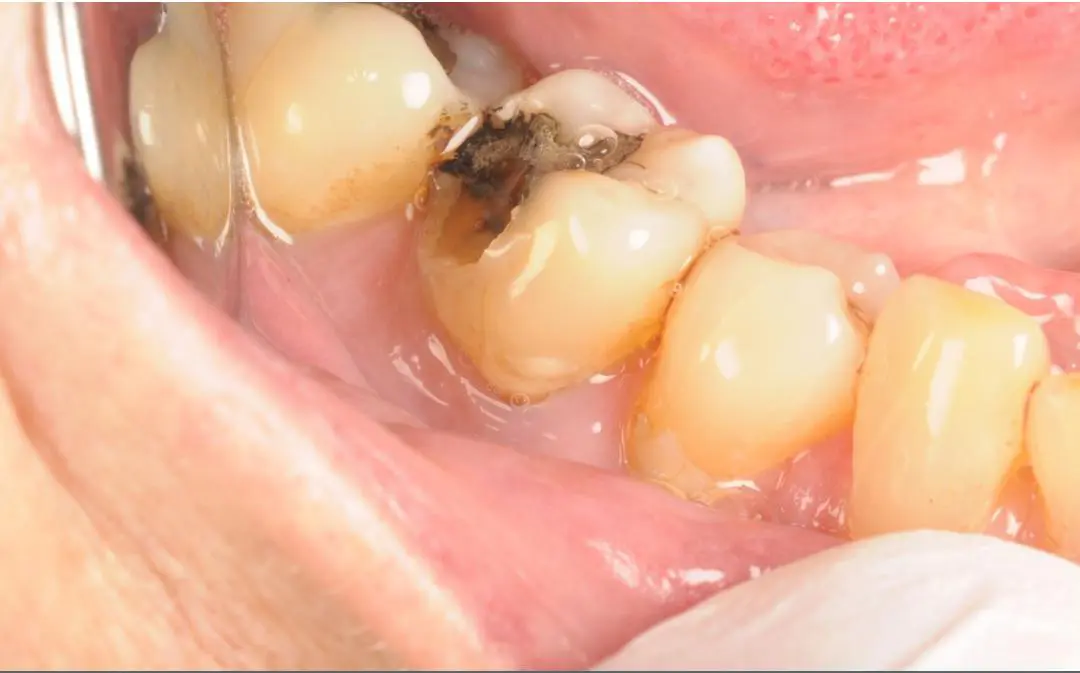
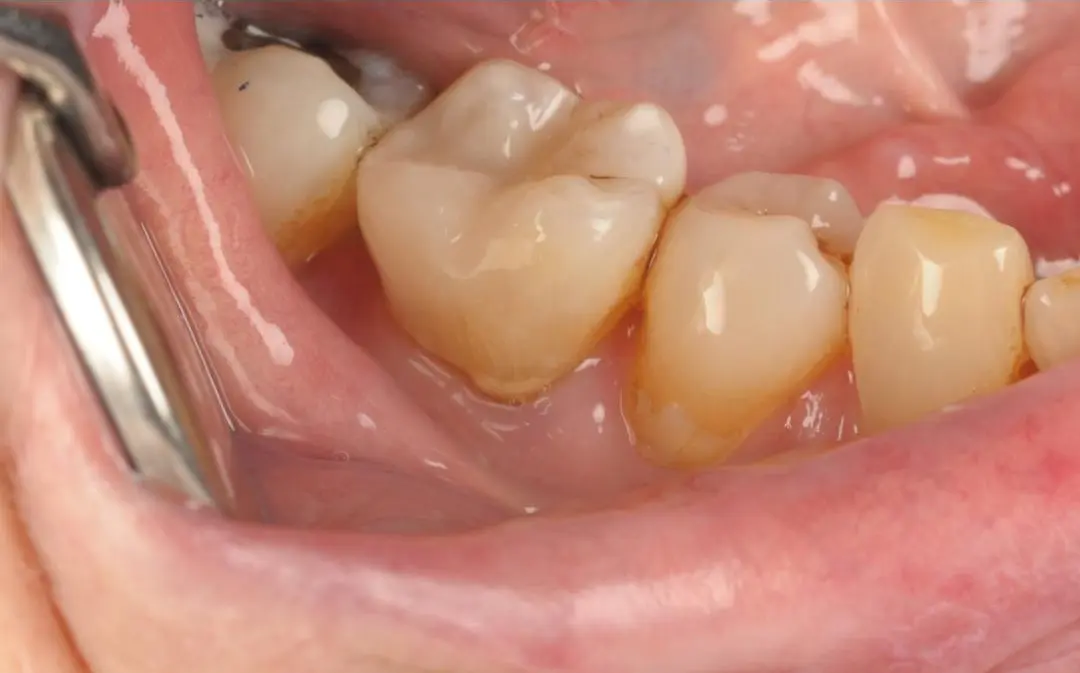
Real Patient Result: Emergency White Filling
Treatment by Dr Kamran
However, there are certain situations where it may be sensible to seek medical advice. If the swallowed fragment was particularly large or had very sharp edges, or if you experience any abdominal pain, difficulty swallowing, or discomfort after the incident, it would be prudent to contact a medical professional for guidance. These situations are uncommon, but it is always worth being aware of them.
If you manage to retrieve the broken piece, it is worth keeping it and bringing it to your dental appointment. In some cases, depending on the size and condition of the fragment, a dentist may be able to bond it back onto the tooth. Store the fragment in a clean container — a small amount of milk or saliva can help preserve it until your appointment.
Immediate Steps to Take After Chipping a Molar
Knowing what to do in the moments after chipping a tooth can help protect the remaining structure and reduce discomfort. Here are some practical steps to consider:
Rinse your mouth gently with warm water to clean the area and remove any loose fragments. Avoid using very hot or very cold water, as the exposed tooth surface may be sensitive to temperature changes.
Check for sharp edges. Run your tongue carefully over the damaged tooth. If there are sharp edges, they could irritate your tongue, cheek, or gums. A small piece of sugar-free dental wax or even a piece of softened paraffin wax can be placed over the sharp area temporarily to protect the soft tissues.
Avoid chewing on that side. Until you have had the tooth assessed, try to eat on the opposite side of your mouth. Stick to softer foods that do not require heavy chewing to reduce the risk of further damage.
Manage any discomfort. Over-the-counter pain relief, taken according to the instructions on the packaging, may help if you experience mild discomfort. A cold compress applied to the outside of the cheek can also help reduce any minor swelling.
Arrange a dental appointment. Even if the chip seems small and there is no pain, it is advisable to have the tooth examined. What appears minor on the surface may involve deeper structural compromise that is not visible without a professional assessment.
How a Dentist May Assess and Treat a Chipped Molar
The treatment approach for a chipped molar depends on the size and location of the chip, the condition of the remaining tooth, and whether any underlying damage is present. During a clinical examination, a dentist will evaluate these factors and discuss the options that may be suitable for your individual situation.
For minor chips affecting only the enamel, the dentist may smooth and polish the rough edges to prevent irritation. In some cases, a tooth-coloured composite bonding material can be applied to restore the tooth's shape and protect the surface.
Moderate chips that extend into the dentine may require a more substantial restoration. A dental filling, inlay, or onlay might be recommended to rebuild the lost structure and protect the tooth from further damage. These restorations are designed to withstand the chewing forces that molars are subjected to daily.
For larger fractures or situations where a significant portion of the tooth has broken away, a dental crown may be considered. A crown covers the entire visible portion of the tooth, providing both protection and structural reinforcement.
If the chip has exposed or compromised the pulp, root canal treatment may need to be discussed before placing a final restoration. In rare cases where the tooth cannot be restored, extraction and replacement options may be considered.
Each treatment plan is tailored to the individual patient following a thorough clinical assessment, and your dentist will explain the available options so you can make an informed decision.
When Professional Dental Assessment May Be Needed
While a small chip with no associated symptoms may not feel like an urgent matter, there are several situations where arranging a dental evaluation sooner rather than later is advisable.
You may wish to seek professional dental advice if you experience:
- Persistent or worsening pain in the affected tooth, particularly if it occurs spontaneously or disrupts sleep
- Sensitivity to hot, cold, or sweet foods and drinks that does not settle within a day or two
- Visible damage such as a dark line, discolouration, or a noticeable gap in the tooth
- Swelling in the gum area around the damaged tooth
- A sharp edge that is causing cuts or ulcers on the tongue or inner cheek
- A feeling that the tooth is loose or that the bite feels different
These symptoms do not necessarily indicate a serious problem, but they do suggest that a professional assessment would be beneficial to determine the condition of the tooth and the most appropriate course of action. Early evaluation can sometimes help prevent more complex treatment being needed later on.
If you are unsure whether your situation requires prompt attention, contacting a dental practice for guidance can help you decide on the best next step. Many practices, including those offering emergency dental appointments, can provide same-day assessments for dental injuries.
How to Help Prevent Chipping a Molar
While it is not always possible to prevent accidental dental injuries, there are practical steps that may help reduce the risk of chipping a molar.
Be mindful when eating hard foods. Take care with foods such as nuts, hard sweets, ice cubes, crusty bread, and foods that may contain hidden hard objects like bone fragments or fruit stones. Chewing more slowly and being attentive to texture changes can help you avoid unexpected biting forces.
Address bruxism if applicable. If you grind or clench your teeth — particularly during sleep — discuss this with your dentist. A custom-made night guard may be recommended to protect the teeth from the excessive forces associated with bruxism.
Maintain regular dental check-ups. Routine dental examinations allow your dentist to identify weakened teeth, worn fillings, or early signs of decay that could make a tooth more vulnerable to chipping. Addressing these issues proactively can help maintain the structural integrity of your teeth. Regular dental assessments are an important part of long-term oral health maintenance.
Practice good oral hygiene. Brushing twice daily with a fluoride toothpaste and cleaning between your teeth with interdental brushes or floss helps maintain strong enamel and healthy tooth structure.
Avoid using your teeth as tools. Opening packages, tearing tape, or holding objects with your teeth can place unusual forces on them that they are not designed to withstand.
Consider a mouthguard for sport. If you play contact sports or activities with a risk of facial impact, a properly fitted mouthguard can significantly reduce the risk of dental trauma.
Key Points to Remember
- A chipped molar while eating is a common dental occurrence and can happen to anyone, particularly if the tooth has pre-existing weaknesses.
- If you accidentally swallow a tooth fragment, it will usually pass through the digestive system harmlessly — seek medical advice if you have concerns.
- Retrieve the broken piece if possible and store it in milk or a clean container until you can see a dentist.
- Avoid chewing on the affected side and protect any sharp edges with dental wax as a temporary measure.
- Treatment options range from simple smoothing and bonding to crowns, depending on the severity of the chip.
- Arranging a professional dental assessment is advisable, even for seemingly minor chips, to ensure no hidden damage is present.
Frequently Asked Questions
Is a chipped molar a dental emergency?
A chipped molar may or may not require emergency treatment, depending on the severity of the damage and the symptoms present. A small chip with no pain or sensitivity may not need immediate attention, but it should still be assessed by a dentist at the earliest convenient opportunity. If there is significant pain, visible nerve exposure, bleeding that does not stop, or swelling, it is advisable to seek a dental assessment promptly. Your dental practice can advise on how urgently you need to be seen based on your description of the situation.
Can a chipped molar heal on its own?
Unlike bone, tooth enamel cannot regenerate or repair itself once it has been damaged. A chipped molar will not heal naturally, and the exposed area may be more vulnerable to further damage or decay if left untreated. While a very minor enamel chip might not cause symptoms, it is still worth having it assessed to determine whether any protective treatment would be beneficial. Fluoride-based products may help strengthen the surrounding enamel, but they cannot replace lost tooth structure.
Is it harmful to swallow a piece of chipped tooth?
In most cases, swallowing a small tooth fragment is not harmful. The piece will typically pass through the digestive tract without causing any issues. Tooth material is inert and generally smooth enough not to cause internal injury. However, if the fragment was large or particularly sharp, or if you experience any subsequent abdominal discomfort, difficulty swallowing, or unusual symptoms, it is sensible to seek medical advice. These complications are rare, but it is always better to exercise caution.
How much does it cost to repair a chipped molar?
The cost of repairing a chipped molar varies depending on the type and extent of treatment required. Simple smoothing or minor composite bonding is typically less expensive than treatments such as inlays, onlays, or dental crowns. The cost will also depend on whether the treatment is carried out privately or through the NHS, and on the materials used. Your dentist will be able to provide a clear explanation of costs after assessing the tooth during a clinical examination and discussing the treatment options available to you.
Can I wait before seeing a dentist about a chipped molar?
If the chip is small, there is no pain, and the tooth does not have sharp edges causing soft tissue irritation, it may be reasonable to wait a short time before your appointment. However, it is not advisable to delay indefinitely, as an untreated chip can expose the inner layers of the tooth to bacteria, increasing the risk of decay or infection over time. Even if the chip appears cosmetically minor, an underlying crack or structural weakness may be present that only a clinical examination can identify.
Will a chipped molar get worse if I don't treat it?
There is a possibility that an untreated chipped molar could deteriorate over time. The exposed surface may be more susceptible to further chipping, cracking, or decay. Normal chewing forces continue to act on the weakened tooth, and without the protective layer of enamel, the underlying dentine can wear more quickly. Additionally, bacteria can accumulate in uneven or rough surfaces, potentially leading to decay. Having the tooth assessed and appropriately treated can help preserve its structure and function for the longer term.
Conclusion
Chipping a molar while eating is a surprisingly common experience, and while it can be unsettling, understanding how to respond can make a significant difference. If you have experienced a chipped molar while eating, the most important steps are to protect the remaining tooth, retrieve the fragment if possible, and arrange a dental assessment to evaluate the damage.
Swallowing a small tooth fragment is generally not a cause for concern, but keeping the piece for your dentist is always preferable if you can. Treatment options are varied and effective, ranging from simple bonding procedures to more comprehensive restorations, and your dentist will recommend the most appropriate approach based on a thorough examination.
Maintaining good oral hygiene, attending regular dental check-ups, and being mindful of hard foods can all help reduce the risk of future chips. If you are experiencing any discomfort, sensitivity, or concern about a damaged tooth, seeking professional dental advice early can help ensure the best possible outcome for your oral health.
Dental symptoms and treatment options should always be assessed individually during a clinical examination.
Disclaimer
This article is for general educational purposes only and does not constitute professional dental advice, diagnosis, or treatment. Every patient's circumstances are unique; dental symptoms and treatment options should always be assessed during a clinical examination by a qualified dental professional. No specific outcomes are guaranteed. This content has been prepared in line with GDC, CQC, ASA CAP Code, and GMC communication standards. If you have concerns about your oral health, please contact a registered dentist.