
Dental pain can be confusing. Sometimes a toothache stays in one spot, but other times it spreads to your ear, jaw, or even your head. If you have ever wondered whether a toothache can cause ear pain or headache, you are not alone. Many patients experience this type of discomfort and are unsure what it means.
This type of spreading pain is called referred pain. It happens because the nerves in your teeth, jaw, and ear are closely connected. When a tooth becomes infected or damaged, the pain signals can travel along these shared nerve pathways and create discomfort in areas beyond the tooth itself.
The good news is that early dental care can prevent these symptoms from getting worse. Understanding the connection between toothache and ear pain on the same side can help you recognise when it is time to see a dentist.
Experiencing these symptoms?
Delaying treatment can lead to tooth loss. We have slots available today.
Can a Toothache Really Cause Ear Pain or Headache?
Yes, a toothache can absolutely cause ear pain or headache. This is more common than many people realise, and understanding why it happens can help you take the right steps.
How Dental Nerves Connect to the Ear and Head
The trigeminal nerve is the main nerve responsible for sensation in your face. It has branches that extend to your teeth, gums, jaw, ears, and parts of your head. When a tooth becomes inflamed or infected, the pain signals travel along this nerve network.
Because these nerves are so closely linked, your brain can sometimes have difficulty pinpointing exactly where the pain is coming from. This is why you might feel ear pain from teeth or a headache that seems connected to your dental discomfort.
Meet Dr. Yasha Shirazi
Principal Dentist at Emergency Dentist London
"We treat hundreds of dental emergencies every month. The sooner you come in, the easier the fix usually is."
Book an appointment with our team →Why Patients Experience Toothache and Ear Pain on the Same Side
When dental pain spreads, it almost always stays on the same side of your face. This is because the nerves on each side of your face are separate. If you have a problem with a tooth on the left side, any referred pain will also appear on the left side.
This pattern can be helpful in identifying the source of your discomfort. If you have toothache and ear pain on the same side, there is a good chance the two are connected.
When Ear Pain May Actually Be Dental in Origin
Many patients visit their dentist after first assuming their ear pain was due to an ear infection. However, if you have no other signs of ear infection such as discharge or hearing changes, the pain may well be coming from a dental problem.
Dental-related ear pain often feels like a dull ache deep in the ear. It may worsen when you chew or put pressure on certain teeth.
How Tooth Infections and Abscesses Cause Referred Pain
When a tooth becomes seriously infected, the resulting inflammation and pressure can affect the surrounding tissues and nerves. This is one of the main reasons toothache can cause earache.
What Is an Abscessed Tooth?
A dental abscess is a pocket of pus that forms when bacteria infect the inside of a tooth or the gum around it. This happens when decay reaches the inner pulp of the tooth, or when gum disease allows bacteria to enter below the gum line.
Abscesses cause significant swelling and pressure as the body tries to fight the infection. Without treatment, this infection can spread to nearby tissues.
How Infection Spreads Pressure and Inflammation
As an abscess grows, it creates pressure against the surrounding bone and tissues. This pressure irritates nearby nerves and can cause pain that radiates to the ear, jaw, and head.
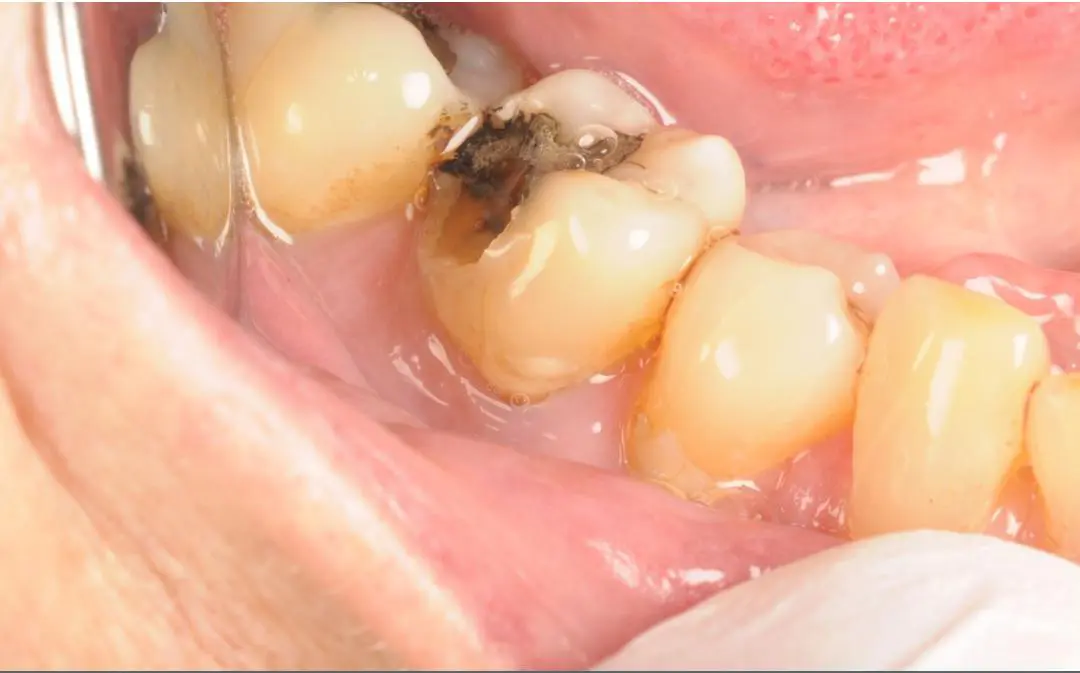
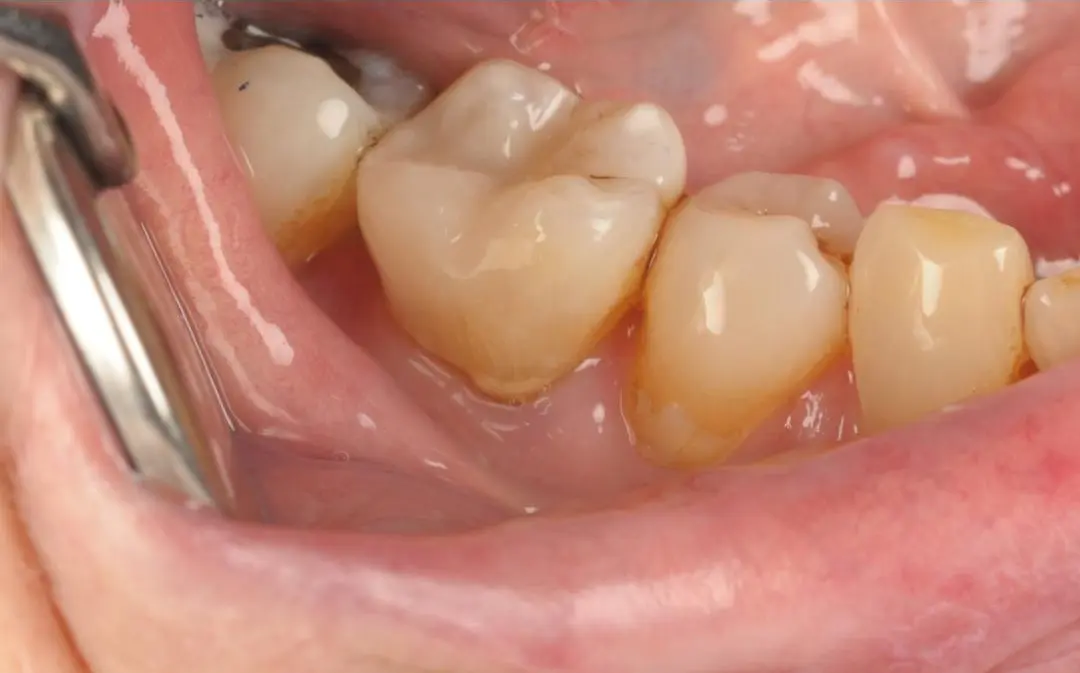
Real Patient Result: Emergency White Filling
Treatment by Dr Kamran
The inflammation from an infection also affects how nerves function. Inflamed nerves become more sensitive and can send pain signals even to areas not directly affected by the infection.
Why Ear Pain from Teeth Is Common in Advanced Decay
When tooth decay is caught early, it rarely causes referred pain. However, when decay progresses deep into the tooth and reaches the nerve, the resulting inflammation can easily spread pain to surrounding areas.
Upper back teeth are particularly likely to cause ear pain because they sit very close to the ear canal. Lower back teeth can also cause ear pain through the nerve connections in the jaw.
Toothache and Ear Pain on the Same Side "– What It Means
If you are experiencing earache and toothache on the same side, it is important to understand what this pattern suggests about the source of your pain.
Why Pain Often Stays on One Side
The nerves on each side of your face operate independently. When a tooth on one side becomes problematic, the pain signals travel along the nerves on that same side only. This is why tooth and ear pain on the same side is a strong indicator of a dental problem.
Dental Pain vs Ear Infection: Key Differences
It can be tricky to tell whether your ear pain is from a tooth problem or an actual ear infection. Here are some key differences:
Ear infections often come with fever, hearing changes, or fluid discharge from the ear
Dental-related ear pain tends to worsen when chewing or pressing on certain teeth
Ear infections may affect balance or cause a feeling of fullness in the ear
Dental pain often responds to over-the-counter pain relief but returns when the medication wears off
Signs the Problem Is Dental, Not ENT-Related
Several clues suggest your ear pain may be coming from your teeth rather than an ear problem:
Pain that increases when you bite down or chew
Sensitivity to hot or cold foods and drinks
Visible damage, decay, or swelling around a tooth
Pain that throbs in time with your heartbeat
Bad breath or an unpleasant taste in your mouth
Can Wisdom Teeth Cause Earaches?
Yes, wisdom teeth are a common cause of ear pain, especially when they are impacted or only partially erupted.
Impacted or Erupting Wisdom Teeth
Wisdom teeth often do not have enough room to come through properly. When a wisdom tooth is trapped beneath the gum or only partially emerged, it can become inflamed and infected. This creates pressure and pain that easily spreads to the ear.
If you need help with wisdom tooth pain relief, a dental assessment can determine whether the tooth needs treatment or extraction.
Inflammation Near the Jaw Joint
Wisdom teeth sit at the very back of the mouth, close to the temporomandibular joint (TMJ). When these teeth become inflamed, the swelling can affect the jaw joint and the muscles around it, causing pain that radiates to the ear.
Symptoms of Wisdom Tooth Causing Earache
Common signs that your earache may be related to a wisdom tooth include:
Pain at the back of your mouth on the same side as the earache
Swelling or tenderness in the gum behind your last molar
Difficulty opening your mouth fully
Pain when chewing, especially at the back of your mouth
A bad taste near the affected area
Earache and Toothache "– When It's a Warning Sign
While mild discomfort may not always require urgent attention, certain symptoms suggest that toothache leading to earache should be taken seriously.
When Mild Pain Becomes Concerning
Pain that comes and goes may seem manageable at first. However, if the pain is getting worse over time, lasting longer, or spreading to new areas, it suggests the underlying problem is progressing.
Signs of Infection, Swelling, or Nerve Involvement
Watch for these warning signs that indicate the need for prompt dental care:
Swelling in the face, jaw, or neck
Fever or feeling generally unwell
Severe pain that does not respond to painkillers
Difficulty swallowing or breathing
Pus or discharge from the gum
A foul taste that persists in your mouth
Why Toothache Leading to Earache Should Never Be Ignored
When dental pain spreads to the ear, it often means the problem has advanced beyond the early stages. Infections can worsen quickly if left untreated, and the longer you wait, the more complex the treatment may become.
Early intervention usually means simpler, less invasive treatment and a faster recovery.
Can an Earache Be Caused by Toothache — or the Other Way Around?
This is a common question, and the answer helps explain why proper diagnosis is so important.
Common Patient Confusion
Because the nerves in the ear and teeth are connected, patients often struggle to identify where their pain is really coming from. Some patients are convinced they have an ear infection when the problem is actually dental, while others focus on their teeth when an ear issue is the real cause.
How Dentists Differentiate Dental Pain
A dental examination can often quickly identify whether a tooth is the source of referred ear pain. Dentists look for signs of decay, infection, gum disease, or damage. They may also take X-rays to see what is happening below the surface.
If your teeth and gums appear healthy, your dentist may suggest you have your ears checked to rule out an ear-related cause.
Why Proper Diagnosis Matters
Getting the correct diagnosis means you receive the right treatment. Taking painkillers or antibiotics without addressing the root cause will only provide temporary relief. Professional assessment ensures the actual problem is identified and treated.
Other Dental Problems That Can Cause Ear Pain
Tooth infections are not the only dental issues that can lead to earache. Several other conditions can also cause ear pain related to toothache.
Gum Disease
Advanced gum disease causes inflammation and infection around the tooth roots. This inflammation can irritate nearby nerves and cause pain that spreads to the ear and jaw.
Cracked Teeth
A cracked tooth may not be visible to the naked eye, but it can cause significant pain, especially when biting down. If the crack extends into the tooth's nerve, the pain can easily radiate to the ear.
Jaw Strain and Bite Issues
Problems with how your teeth come together when you bite can put strain on your jaw muscles. This muscular tension can cause pain that feels like it is coming from your ear. Teeth grinding (bruxism) is a common cause of this type of discomfort.
Inflammation Near the TMJ
The temporomandibular joint sits just in front of your ear. Inflammation or dysfunction in this joint can cause pain that feels identical to an earache. Dental problems that affect your bite or cause you to favour one side when chewing can contribute to TMJ issues.
How to Relieve Earache from Toothache (Short-Term Relief Only)
While waiting to see a dentist, there are some temporary measures that may help reduce your discomfort. However, it is important to understand that these do not treat the underlying cause.
Temporary Self-Care Tips
Over-the-counter pain relief: Paracetamol or ibuprofen may help manage pain temporarily. Follow the instructions on the packaging.
Cold compress: Applying a cold pack wrapped in a cloth to the outside of your cheek may help reduce swelling and numb the area.
Salt water rinse: Dissolving half a teaspoon of salt in warm water and rinsing gently may help reduce bacteria and soothe inflamed gums.
Avoid extreme temperatures: Very hot or cold foods and drinks can worsen pain if the tooth nerve is exposed.
Keep your head elevated: When resting, use extra pillows to reduce blood flow to the area, which may ease throbbing pain.
What May Reduce Discomfort Briefly
Some patients find that gently massaging the jaw muscles provides temporary relief, especially if tension is contributing to the pain. Avoiding hard or chewy foods can also help reduce strain on the affected area.
Clear Warning: Home Relief Does Not Treat Infection
It is essential to understand that home remedies only manage symptoms. They do not address the infection or damage causing your pain. If you have a dental abscess or advanced decay, the problem will continue to worsen without professional treatment.
When Toothache and Ear Pain Become a Dental Emergency
Some situations require urgent dental care. Knowing the signs of a dental emergency can help you get the treatment you need before the situation becomes more serious.
Signs of Serious Infection
A spreading infection is a medical concern. Seek urgent dental care if you experience:
Swelling that is spreading to your eye, neck, or throat
Difficulty breathing or swallowing
Fever or chills
Rapid heartbeat
Severe pain that is getting worse despite taking painkillers
Swelling, Fever, Severe Pain
Facial swelling combined with fever and severe pain suggests that an infection may be spreading beyond the tooth. This requires prompt professional attention to prevent further complications.
When Same-Day Dental Care Is Needed
If you are experiencing any of the warning signs above, do not wait for a routine appointment. An out-of-hours dentist in London can assess your condition and provide the treatment needed to manage the infection and relieve your pain.
When to See a Dentist for Toothache and Ear Pain
Even if your symptoms do not seem urgent, it is important to know when dental assessment is warranted.
How Long Is Too Long?
As a general rule, any toothache that lasts more than one to two days should be assessed by a dentist. Pain that keeps returning, even if it goes away temporarily, also warrants a professional check.
Why Early Dental Treatment Prevents Complications
Dental problems rarely improve on their own. What starts as mild sensitivity can progress to severe infection if left untreated. Early treatment typically means:
Less invasive procedures
Lower treatment costs
Faster recovery
Better chances of saving the tooth
If you are experiencing severe toothache treatment, prompt care can make a significant difference to your outcome.
Importance of Professional Dental Assessment
Only a dental professional can properly diagnose the cause of your pain and recommend the appropriate treatment. Self-diagnosis based on symptoms alone can lead to delays in getting the care you need.
Preventing Tooth Infections and Referred Ear Pain
The best approach to dental pain is prevention. Taking care of your teeth and gums can help you avoid the problems that lead to toothache and referred ear pain.
Regular Dental Check-Ups
Routine dental examinations allow problems to be caught early, before they cause pain or require complex treatment. Most adults should aim for a check-up every six to twelve months, depending on their individual needs.
Early Treatment
When problems are identified, addressing them promptly prevents them from worsening. A small filling is much simpler than treating an abscess that has developed from untreated decay.
Good Oral Hygiene Habits
Daily brushing and flossing remove the bacteria that cause decay and gum disease. Key habits include:
Brushing twice daily with fluoride toothpaste
Flossing or using interdental brushes once daily
Limiting sugary foods and drinks
Replacing your toothbrush every three months
Avoiding Delays in Care
Many patients put off dental visits due to anxiety, cost concerns, or busy schedules. However, delaying care often leads to more extensive treatment being needed later. If you are experiencing any dental discomfort, booking an appointment sooner rather than later is always the better choice.
Frequently Asked Questions
Can a toothache cause ear pain?
Yes, a toothache can cause ear pain. This happens because the nerves in your teeth and ears are connected through the trigeminal nerve. When a tooth becomes infected or inflamed, pain signals can travel along these shared nerve pathways and be felt in the ear. This is especially common with problems affecting the back teeth.
Does tooth infection cause earache?
Yes, tooth infections are one of the most common dental causes of ear pain. As an infection develops, it creates inflammation and pressure that can irritate nearby nerves. The pain from an abscessed tooth often spreads to the ear, jaw, and sometimes the head.
Can wisdom teeth cause ear pain?
Absolutely. Wisdom teeth are particularly likely to cause ear pain because they sit at the back of the mouth, close to the jaw joint and ear canal. Impacted or infected wisdom teeth often cause pain that radiates to the ear on the same side.
How long should toothache last before seeing a dentist?
Any toothache lasting more than one to two days should be assessed by a dentist. Even if the pain comes and goes, recurring dental discomfort is a sign that something needs attention. The sooner you seek care, the simpler the treatment is likely to be.
Can dental pain spread to the head or jaw?
Yes, dental pain commonly spreads to the jaw and can also cause headaches. The trigeminal nerve that serves your teeth also has branches extending to the jaw, temples, and other parts of the head. Tooth infections, abscesses, and even problems with your bite can all cause pain that spreads beyond the original tooth.
How to relieve earache from toothache?
For temporary relief, you can try over-the-counter painkillers such as paracetamol or ibuprofen, apply a cold compress to the outside of your cheek, rinse with warm salt water, and avoid very hot or cold foods. However, these measures only manage symptoms temporarily. You will need to see a dentist to treat the underlying cause of your pain.
Watch: Your Emergency Dental Appointment Explained
Disclaimer
This article is for general educational purposes only and does not constitute professional dental advice, diagnosis, or treatment. Every patient's circumstances are unique; dental symptoms and treatment options should always be assessed during a clinical examination by a qualified dental professional. No specific outcomes are guaranteed. This content has been prepared in line with GDC, CQC, ASA CAP Code, and GMC communication standards. If you have concerns about your oral health, please contact a registered dentist.