
Discovering that you have a broken tooth can be an unsettling experience. Whether it happened whilst eating, during a sporting activity, or as the result of an accidental knock, one of the first questions most people ask is: can a broken tooth be saved? It is one of the most commonly searched dental concerns in the UK, and understandably so — the thought of losing a tooth can cause real anxiety.
Many patients turn to the internet looking for immediate reassurance and practical guidance before they are able to see a dentist. Understanding what has happened to your tooth, what options may be available, and what steps to take in the meantime can help you feel more informed and in control.
This comprehensive care guide explains the different types of tooth fractures, how dentists assess broken teeth, the treatment approaches that may be considered, and what you can do to protect your oral health. This content is provided for general informational purposes only and does not constitute clinical advice. Treatment suitability depends on individual clinical assessment. While every situation is unique and requires individual clinical assessment, having reliable information can help you make confident decisions about your dental care. If you are experiencing a broken tooth, seeking professional dental advice promptly is always recommended.
Experiencing these symptoms?
Delaying treatment can lead to tooth loss. We have slots available today.
Can a Broken Tooth Be Saved?
In many cases, a broken tooth can be saved depending on the type, location, and severity of the fracture. Treatment options such as dental bonding, crowns, root canal therapy, or veneers may be suitable, but the most appropriate approach depends on a thorough clinical examination. Early assessment by a qualified dentist can significantly improve the chances of preserving the natural tooth structure.
Common Causes of a Broken Tooth
Teeth are remarkably strong, but they are not indestructible. A number of everyday situations and underlying conditions can lead to a tooth breaking or fracturing.
Trauma and accidents are among the most frequent causes. A fall, a blow to the face during sport, or biting down unexpectedly on a hard object — such as an olive stone or a piece of ice — can cause a tooth to crack or chip. Even relatively minor impacts can cause damage if the tooth has been weakened over time.
Meet Dr. Yasha Shirazi
Principal Dentist at Emergency Dentist London
"We treat hundreds of dental emergencies every month. The sooner you come in, the easier the fix usually is."
Book an appointment with our team →Tooth decay is another significant contributor. When decay erodes the internal structure of a tooth, the remaining enamel and dentine become more fragile and prone to fracturing, sometimes even under normal biting pressure.
Large existing fillings can also compromise tooth integrity. A tooth with a substantial filling has less natural structure remaining, which may make it more vulnerable to breakage over the years.
Teeth grinding (bruxism) places excessive force on teeth, particularly during sleep. Over time, this repeated pressure can cause hairline cracks that eventually develop into more significant fractures.
Temperature changes in the mouth — for example, eating very hot food followed immediately by a cold drink — can also contribute to stress fractures in weakened teeth.
Understanding the cause can help your dentist determine the best course of action during your assessment.
Types of Tooth Fractures
Not all broken teeth are the same. The type of fracture plays a crucial role in determining whether and how a tooth can be saved.
Minor chips and craze lines are superficial cracks that affect only the outer enamel. These are often painless and may be primarily a cosmetic concern. They typically do not require urgent treatment but should be monitored.
Fractured cusps occur when a piece of the tooth's chewing surface breaks away. This commonly happens around existing dental restorations. Pain is usually mild, and the tooth can often be restored with a crown or onlay.
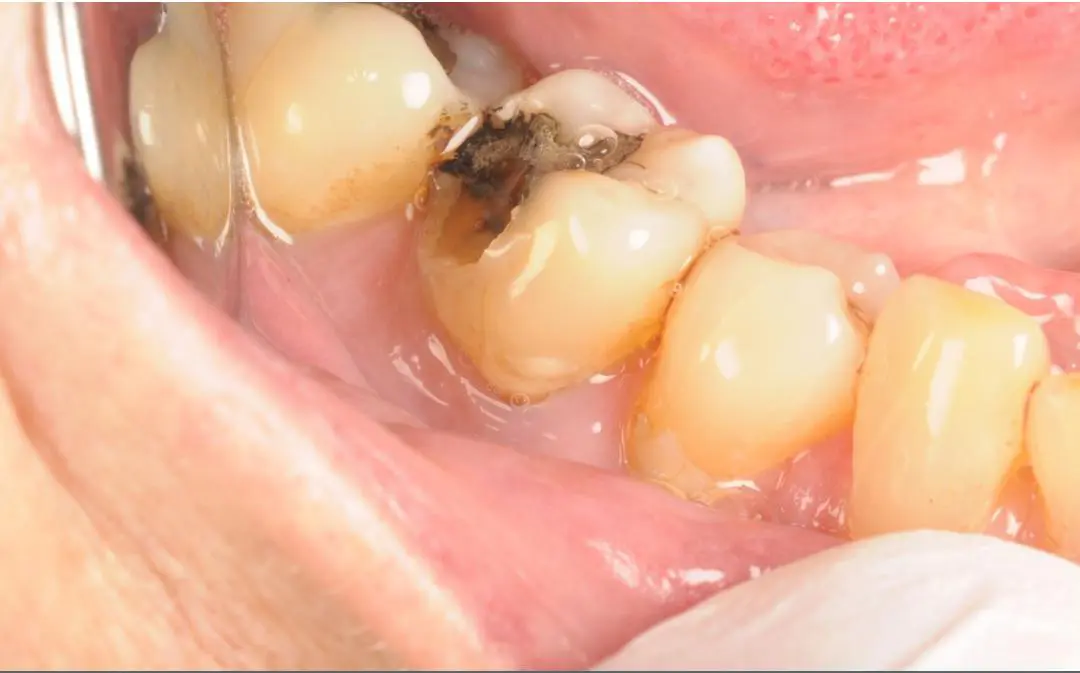
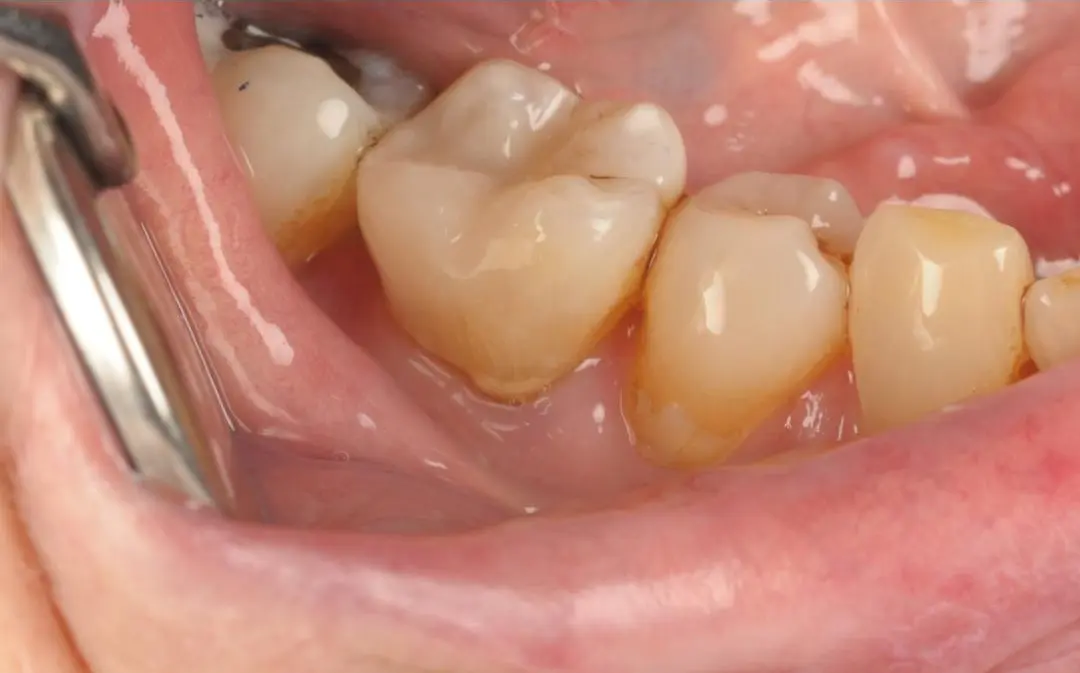
Real Patient Result: Emergency White Filling
Treatment by Dr Kamran
Cracked teeth involve a fracture that extends from the chewing surface downwards towards the root. If the crack has not reached the pulp (the innermost part of the tooth containing nerves and blood vessels), the tooth may be treatable. If the pulp is affected, root canal treatment may be considered as part of the care plan.
Split teeth represent a more advanced stage where the tooth has fractured into distinct segments. Depending on how extensive the split is, it may be possible to save a portion of the tooth, though extraction is sometimes necessary.
Vertical root fractures begin in the root and extend upwards. These fractures can be difficult to detect and often have a less favourable prognosis.
Your dentist will assess the specific type of fracture to advise you on the most appropriate options.
Understanding Tooth Anatomy: Why Fractures Matter
To appreciate why some broken teeth can be saved and others cannot, it helps to understand the basic structure of a tooth.
Each tooth is made up of several layers. The enamel is the hard, white outer coating that protects the tooth. It is the hardest substance in the human body, yet it contains no living cells, which means it cannot repair itself once damaged.
Beneath the enamel lies dentine, a slightly softer, yellowish layer that makes up the bulk of the tooth. Dentine contains microscopic tubules that connect to the nerve centre of the tooth, which is why exposure of dentine — through a crack or chip — can lead to sensitivity.
At the core of the tooth is the pulp, a soft tissue containing blood vessels, nerves, and connective tissue. The pulp is vital during tooth development but can become a source of significant pain and infection if exposed to bacteria through a fracture.
Below the gum line, the root anchors the tooth into the jawbone, surrounded by a thin layer of cementum and supported by the periodontal ligament.
When a fracture is limited to the enamel or superficial dentine, the tooth can usually be repaired relatively straightforwardly. However, when a crack extends into the pulp or root, more complex treatment — or in some cases extraction — may be required. The depth and direction of the fracture are key factors your dentist will evaluate.
How Dentists Assess a Broken Tooth
When you visit a dentist with a broken tooth, the clinical assessment typically involves several steps to determine the extent of the damage and the most suitable treatment pathway.
Visual examination is the first step. Your dentist will carefully inspect the tooth, looking for visible cracks, chips, or missing fragments. They may use a dental explorer — a fine-tipped instrument — to feel for fracture lines on the tooth surface.
Dental X-rays (radiographs) provide information about the internal structure of the tooth and the surrounding bone. X-rays can reveal the extent of decay, the proximity of a fracture to the pulp, and any signs of infection at the root tip. However, it is worth noting that not all cracks are visible on standard X-rays.
Bite tests may be used, where you bite down on a small instrument or cushion. This can help identify the precise location of a crack by reproducing the discomfort you may be experiencing.
Transillumination, which involves shining a bright light through the tooth, can sometimes highlight fracture lines that are difficult to see otherwise.
Pulp vitality testing may also be carried out to assess whether the nerve inside the tooth is still responsive, which can influence treatment decisions.
Based on the findings, your dentist will discuss the available options with you, taking into account the clinical situation, your symptoms, and your preferences.
Treatment Options for a Broken Tooth
The treatment recommended for a broken tooth depends on the nature and severity of the fracture. Below are some of the approaches that may be considered.
Dental Bonding
For minor chips, dental bonding involves applying a tooth-coloured composite resin to the damaged area. The material is shaped to match the natural contour of the tooth and hardened with a special light. This is typically a straightforward procedure that can often be completed in a single visit.
Dental Veneers
If a front tooth has sustained a more noticeable chip or fracture, a porcelain veneer may be an option. Veneers are thin shells that cover the front surface of the tooth, restoring both appearance and function.
Dental Crowns
When a significant portion of the tooth structure has been lost, a dental crown may be recommended. A crown encases the entire visible portion of the tooth, providing strength and protection. Crowns can be made from various materials, including porcelain, ceramic, or metal alloys.
Root Canal Treatment
If the fracture has exposed or damaged the pulp, root canal treatment may be necessary to remove the infected or inflamed pulp tissue before the tooth is restored, typically with a crown.
Extraction
In cases where the tooth is severely fractured — for example, a vertical root fracture or a split that extends below the gum line — extraction may be the most appropriate option. Replacement options such as dental implants or bridges can then be discussed.
It is important to remember that the suitability of any treatment depends on individual clinical assessment.
Immediate Steps: What to Do If You Break a Tooth
If you break a tooth, taking prompt and sensible action can help protect the tooth and manage discomfort until you are able to see a dentist.
Rinse your mouth gently with warm water to clean the area. Avoid using very hot or very cold water, as the exposed tooth structure may be sensitive.
If you can find the broken fragment, store it in a small container with milk or saliva. In some cases, the fragment may be reattached, though this depends on the type of break and the condition of the piece.
Apply a cold compress to the outside of your cheek near the affected area if there is swelling. Use it in intervals of around ten minutes on and ten minutes off.
Use temporary dental cement or sugar-free chewing gum to cover any sharp edges that may be irritating your tongue, cheek, or gums. These products are available from most pharmacies.
Avoid chewing on the affected side and stick to soft foods until you can be assessed.
Over-the-counter pain relief, such as paracetamol or ibuprofen, may help manage discomfort. Always follow the dosage instructions on the packaging.
Contact a dentist as soon as possible. The sooner a broken tooth is assessed, the greater the likelihood that suitable treatment options may be available.
When Professional Dental Assessment May Be Needed
While not every chipped tooth requires emergency treatment, there are certain signs and symptoms that suggest a prompt dental evaluation would be advisable.
Persistent or worsening pain that does not respond to over-the-counter pain relief may indicate that the fracture has affected the nerve within the tooth.
Sensitivity to hot or cold foods and drinks, particularly if sharp or lingering, can suggest that the dentine or pulp has been exposed.
Swelling around the tooth or in the gum may be a sign of infection, especially if accompanied by tenderness or a bad taste in the mouth.
Visible damage or a large missing piece of tooth structure warrants professional assessment to determine whether the tooth can be restored.
Bleeding from the tooth or surrounding gum tissue should also be evaluated, particularly following trauma.
Difficulty biting or chewing, or a feeling that the teeth are not meeting together normally, can indicate a more significant fracture.
If you are experiencing any of these symptoms, seeking dental advice sooner rather than later is recommended. Early assessment allows your dentist to evaluate the situation and discuss the most appropriate care.
Please note: Appointment fees and treatment costs may vary. A full treatment plan with associated costs will be provided following consultation and clinical assessment.
Prevention and Oral Health Advice
While it is not always possible to prevent a broken tooth, there are practical steps you can take to reduce the risk and maintain strong, healthy teeth.
Maintain a thorough oral hygiene routine. Brushing twice daily with fluoride toothpaste and cleaning between your teeth with interdental brushes or floss helps prevent decay, which is one of the leading causes of weakened and fractured teeth.
Attend regular dental check-ups. Routine examinations allow your dentist to identify early signs of decay, cracks, or wear before they progress to more significant problems. Your dentist can also monitor existing restorations for signs of deterioration.
Wear a mouthguard during sports. A custom-fitted mouthguard from your dentist provides significantly better protection than shop-bought alternatives and can help prevent dental injuries during contact sports and high-impact activities.
If you grind your teeth, speak to your dentist about a night guard. Bruxism places considerable stress on teeth and can lead to cracks over time. A professionally made occlusal splint can help distribute biting forces more evenly.
Be mindful of what you eat. Avoid chewing on hard items such as ice, boiled sweets, popcorn kernels, or pen caps. These habits can cause sudden fractures, especially in teeth that are already slightly compromised.
Limit sugary and acidic foods and drinks, which can erode enamel and make teeth more susceptible to damage over time.
Taking a proactive approach to your dental health can help protect your teeth for the long term.
Key Points to Remember
- A broken tooth can often be saved, but the outcome depends on the type, severity, and location of the fracture.
- Treatment options range from simple bonding and crowns to root canal therapy, depending on the clinical assessment.
- Prompt action — rinsing the mouth, preserving any fragments, and contacting a dentist quickly — can improve the chances of successful treatment.
- Tooth decay, grinding, trauma, and large fillings are common contributing factors to broken teeth.
- Regular dental check-ups, good oral hygiene, and protective measures such as mouthguards can help reduce the risk of tooth fractures.
- Every broken tooth is unique, and treatment suitability should always be determined through a professional clinical examination.
Frequently Asked Questions
Can a tooth that is broken in half be saved?
Whether a tooth broken in half can be saved depends on where and how the fracture has occurred. If the break is above the gum line and the root remains intact, treatments such as a dental crown or root canal therapy combined with a crown may be possible. However, if the fracture extends vertically through the root or below the bone level, extraction may be the most appropriate course of action. A dental X-ray and thorough clinical examination are essential for determining the prognosis. Your dentist will assess the specific situation and discuss realistic options with you based on the clinical findings.
How long can I wait before seeing a dentist for a broken tooth?
It is generally advisable to see a dentist as soon as possible after breaking a tooth. Delays can allow bacteria to enter the exposed tooth structure, potentially leading to infection or further damage. If the break has exposed the inner nerve of the tooth, prompt assessment is particularly important. In the meantime, keep the area clean, avoid chewing on the affected side, and manage any discomfort with over-the-counter pain relief. If you are unable to see your regular dentist quickly, consider contacting an emergency dental service for timely assessment and advice.
Does a broken tooth always need a crown?
Not necessarily. The treatment required depends on the extent of the damage. Small chips may only need dental bonding, where a tooth-coloured resin is applied to restore the tooth's shape. Moderate fractures might be addressed with an onlay or veneer. A crown is typically recommended when a significant amount of tooth structure has been lost and the remaining tooth needs additional strength and protection. Your dentist will advise on the most suitable restoration based on the size of the fracture, the tooth's location in the mouth, and your overall oral health.
Is a broken tooth a dental emergency?
A broken tooth may be considered a dental emergency depending on the severity of the fracture and the symptoms involved. If there is significant pain, bleeding, swelling, or visible exposure of the nerve, seeking urgent dental care is recommended. A minor chip with no discomfort may not require immediate emergency treatment, but it should still be assessed by a dentist within a reasonable timeframe to prevent further deterioration. If in doubt, contacting a dental practice for guidance is always a sensible step — they can help you determine how quickly you need to be seen.
Can children's broken teeth be saved?
When a child breaks a tooth, the approach depends on whether it is a primary (baby) tooth or a permanent tooth. For permanent teeth, the same treatment principles apply as for adults, and preserving the tooth is usually the priority. For primary teeth, the treatment plan may differ, as the dentist will consider the stage of dental development and the proximity of the developing adult tooth beneath. In either case, prompt dental assessment is important. If a child knocks out or breaks a permanent tooth, keeping the fragment moist and seeing a dentist as quickly as possible can be beneficial.
How can I prevent my teeth from breaking?
Preventing broken teeth involves a combination of good oral hygiene, regular dental visits, and protective habits. Brush twice daily with fluoride toothpaste, attend regular dental check-ups, wear a mouthguard during contact sports, and avoid chewing on hard objects such as ice or boiled sweets. If you grind your teeth, ask your dentist about a protective night guard. Maintaining strong enamel through a balanced diet and limiting acidic foods and drinks can also help. Your dentist can provide personalised advice based on your individual oral health needs.
Disclaimer
This article is for general educational purposes only and does not constitute professional dental advice, diagnosis, or treatment. Every patient's circumstances are unique; dental symptoms and treatment options should always be assessed during a clinical examination by a qualified dental professional. No specific outcomes are guaranteed. This content has been prepared in line with GDC, CQC, ASA CAP Code, and GMC communication standards. If you have concerns about your oral health, please contact a registered dentist.