
Discovering a broken filling with sharp edges whilst eating or running your tongue across a tooth can be an unsettling experience. You may notice a rough, jagged surface where the filling once sat smoothly, or perhaps a sudden sensitivity to hot or cold foods that wasn't there before. It is one of the most common reasons Londoners search online for urgent dental advice, often wanting to understand what has happened and what steps they should take next.
A dental filling is designed to restore a tooth's shape and function after decay has been removed. Over time, however, fillings can weaken, crack, or break away, leaving behind sharp edges that may irritate the tongue, cheek, or surrounding soft tissues. Understanding why fillings fail, what the exposed tooth structure means for your oral health, and when a professional dental assessment is appropriate can help you make informed decisions about your care.
This guide covers the common causes of broken fillings, the symptoms you may experience, available treatment approaches, and practical advice for protecting your teeth between dental visits. If you are in London and concerned about a damaged filling, this article aims to provide the educational foundation you need.
Experiencing these symptoms?
Delaying treatment can lead to tooth loss. We have slots available today.
What Is a Broken Filling With Sharp Edges?
A broken filling with sharp edges occurs when part or all of a dental restoration fractures, chips, or dislodges, leaving behind rough or jagged tooth structure. This can expose the underlying dentine, cause discomfort, and may increase the risk of further decay or infection if left unaddressed. A dentist can assess the damage and recommend the most appropriate repair based on a clinical examination.
Common Causes of a Broken or Damaged Filling
Dental fillings are durable, but they are not permanent. Several factors can contribute to a filling breaking down or fracturing over time.
Age and wear are among the most frequent causes. Amalgam and composite fillings endure significant daily pressure from chewing, grinding, and temperature changes. After many years of service, the bond between the filling material and the tooth can weaken, making fractures more likely.
Meet Dr. Yasha Shirazi
Principal Dentist at Emergency Dentist London
"We treat hundreds of dental emergencies every month. The sooner you come in, the easier the fix usually is."
Book an appointment with our team →Bruxism, or habitual teeth grinding, places excessive force on restorations, particularly on the back teeth. People who grind their teeth—often unknowingly during sleep—may experience filling damage sooner than expected.
Biting into hard foods such as ice, boiled sweets, crusty bread, or olive stones can cause sudden fractures, especially if the filling is already compromised. Similarly, using teeth as tools to open packaging can apply uneven force to restorations.
Secondary decay can develop around the margins of an existing filling. When bacteria infiltrate the gap between the filling and the tooth, the underlying tooth structure weakens, and the filling may eventually loosen or break away.
Large fillings that replace a significant portion of the tooth's structure are inherently more vulnerable. The remaining natural tooth may not provide adequate support, increasing the risk of fracture over time.
Symptoms and Signs to Be Aware Of
A broken filling does not always cause immediate pain, which is why some patients may not realise the damage has occurred straight away. However, there are several signs that may indicate a filling has fractured or dislodged.
A rough or sharp edge is often the first thing patients notice. You may feel a jagged surface when running your tongue over the tooth, or you may notice irritation on the inside of your cheek or along the side of your tongue.
Increased sensitivity to hot, cold, or sweet foods and drinks may occur when the underlying dentine or pulp chamber becomes exposed. This sensitivity can range from mild discomfort to a more noticeable sharp sensation.
A visible gap, hole, or dark area on the tooth surface may be apparent when looking in a mirror. You might also notice a piece of filling material in your mouth whilst eating.
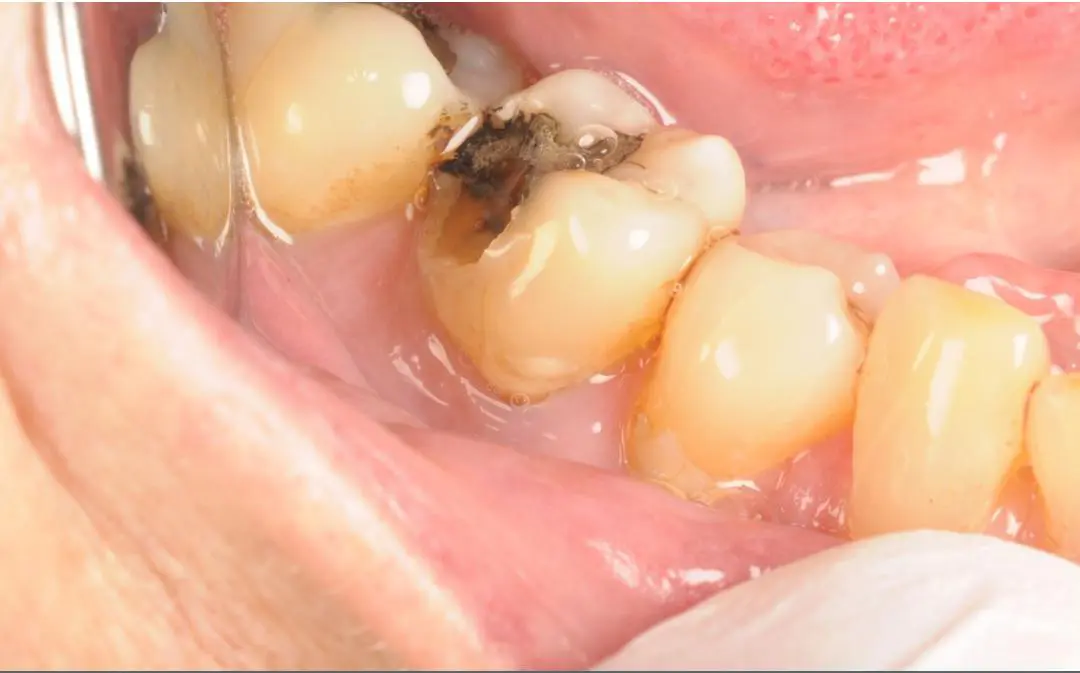
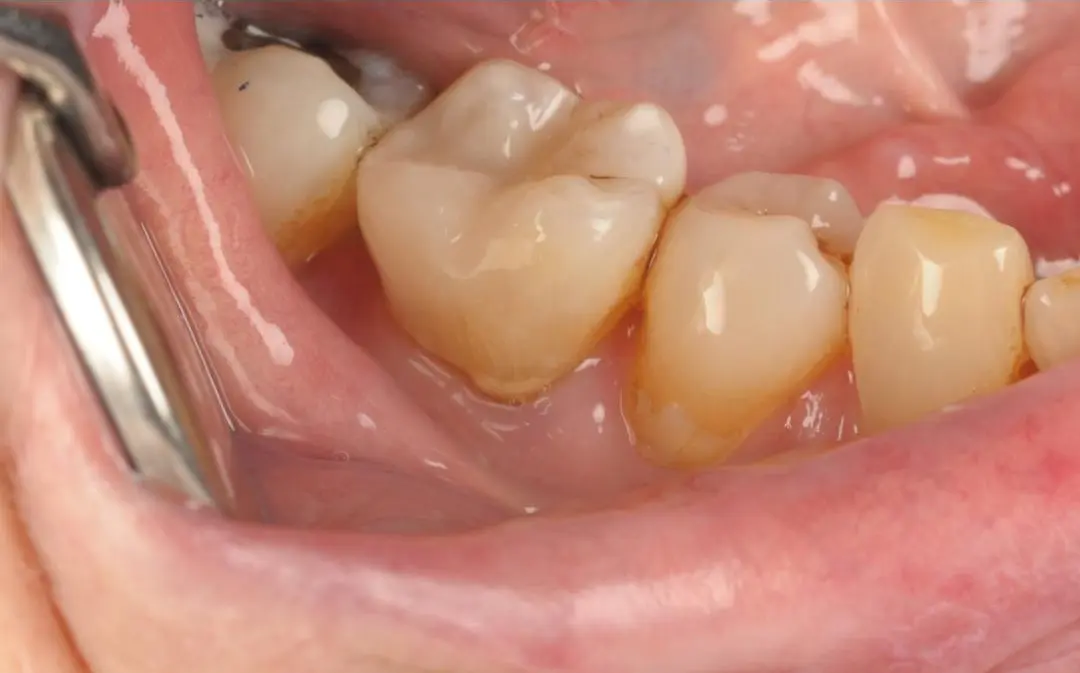
Real Patient Result: Emergency White Filling
Treatment by Dr Kamran
A change in your bite can sometimes occur if a filling on a chewing surface has broken. The tooth may feel different when you bring your teeth together.
Mild to moderate discomfort when chewing or applying pressure to the affected tooth is another common indicator. If you experience any of these signs, it may be helpful to arrange a dental assessment to understand the extent of the damage.
Understanding the Dental Science: What Happens When a Filling Breaks
To appreciate why a broken filling matters, it helps to understand basic tooth anatomy. Each tooth consists of several layers. The outermost layer, enamel, is the hardest substance in the human body and acts as a protective shield. Beneath the enamel lies dentine, a softer, more porous layer that contains microscopic tubules connecting to the tooth's nerve centre. At the core of the tooth is the pulp, which houses nerves and blood vessels.
When a filling is placed, it replaces tooth structure that was lost to decay or damage, sealing the dentine and pulp from the oral environment. If that filling breaks, the protective seal is compromised. Bacteria from saliva and food debris can access the exposed dentine and, over time, may reach the pulp.
Exposed dentine is the primary reason patients experience sensitivity after a filling breaks. The tubules within the dentine allow temperature and pressure changes to reach the nerve more directly. If bacteria penetrate deeply enough, there is a potential risk of pulpitis (inflammation of the pulp) or even infection, which may ultimately require more complex treatment such as root canal therapy.
This is why timely assessment of a broken filling is generally advisable—not as an emergency in every case, but as a sensible step to preserve the tooth's long-term health.
Treatment Approaches for a Broken Filling
The most suitable treatment for a broken filling depends on several factors, including the size and location of the damage, the condition of the remaining tooth structure, and the health of the surrounding tissues. A dentist will need to carry out a clinical examination—and potentially take radiographs—to determine the best course of action.
Replacement Filling
For smaller fractures where the remaining tooth structure is sound, a new filling may be placed. The dentist will remove any old filling material and decay before placing a fresh restoration. Composite (tooth-coloured) fillings are commonly used in modern dentistry for their aesthetics and bonding properties.
Inlay or Onlay
When the damage is more extensive but does not warrant a full crown, a dental inlay or onlay may be considered. These are custom-made restorations typically crafted from ceramic or composite material, designed to fit precisely within or over the damaged area of the tooth.
Dental Crown
If a significant portion of the tooth has been lost or the remaining structure is weakened, a dental crown may be recommended. A crown covers the entire visible portion of the tooth, providing strength, protection, and a natural appearance.
Further Treatment
In cases where the break has led to infection or extensive pulp involvement, additional treatment such as root canal therapy may be necessary before the tooth can be restored.
It is important to understand that the appropriate treatment option can only be determined following a thorough clinical assessment. Each patient's situation is unique.
Immediate Steps You Can Take at Home
Whilst a broken filling ideally requires professional attention, there are some practical measures you can take to manage the situation until you are able to see a dentist.
Avoid chewing on the affected side. Reducing pressure on the damaged tooth can help prevent further fracture and minimise discomfort.
Keep the area clean. Gently rinse your mouth with warm salt water (half a teaspoon of salt dissolved in a glass of warm water) to help keep the exposed area free from food debris and bacteria.
Use dental wax or temporary filling material. Available from most pharmacies, these products can be applied over sharp edges to protect your tongue and cheek from irritation. This is a temporary measure and does not replace professional treatment.
Take over-the-counter pain relief if needed. Paracetamol or ibuprofen, taken according to the packaging instructions, may help manage mild discomfort. If you are unsure which medication is suitable for you, consult your pharmacist.
Avoid very hot, cold, or sweet foods and drinks if the tooth is sensitive. Sticking to lukewarm, soft foods can reduce discomfort whilst you await your appointment.
These steps are designed to provide temporary comfort and protection. They are not a substitute for professional dental care.
When Professional Dental Assessment May Be Needed
In many cases, a broken filling can be assessed and treated during a routine or semi-urgent appointment. However, there are certain situations where seeking dental advice sooner rather than later may be particularly important.
You may wish to contact a dental practice if you experience:
- Persistent or worsening pain that does not respond to over-the-counter pain relief
- Swelling of the gum, face, or jaw near the affected tooth
- Signs of infection, such as a bad taste in the mouth, pus, or a raised temperature
- Significant sensitivity that makes eating or drinking difficult
- A large portion of the tooth has broken away, leaving a substantial gap or sharp edges that are causing soft tissue injury
- Bleeding from the area around the damaged tooth
These symptoms do not necessarily indicate a serious problem in every case, but they do suggest that a professional evaluation would be beneficial to understand what is happening and to discuss potential next steps.
If you are in London and need to arrange a dental assessment, many practices offer same-day or short-notice appointments for patients experiencing dental concerns. An emergency dentist can evaluate the situation and advise on the most appropriate care.
Prevention and Oral Health Advice
Whilst it is not always possible to prevent a filling from breaking, there are several steps that may help prolong the life of your dental restorations and support overall oral health.
Maintain a consistent oral hygiene routine. Brushing twice daily with fluoride toothpaste and cleaning between your teeth with interdental brushes or floss helps to reduce the risk of secondary decay forming around existing fillings.
Attend regular dental check-ups. Routine examinations allow your dentist to monitor the condition of your fillings and identify early signs of wear, cracking, or marginal breakdown before a complete fracture occurs. Early intervention is often simpler and less invasive.
Address bruxism if applicable. If you grind your teeth, your dentist may recommend a custom-made night guard (occlusal splint) to reduce the forces placed on your teeth and restorations during sleep.
Be mindful of hard foods. Avoiding biting directly into very hard substances—such as ice cubes, hard sweets, or popcorn kernels—can help reduce the risk of sudden filling fractures.
Limit sugary and acidic foods and drinks. A diet high in sugar and acid can weaken tooth enamel and promote decay around existing restorations. Drinking water after consuming acidic beverages can help neutralise the oral environment.
Do not use your teeth as tools. Opening bottles, tearing packaging, or holding objects between your teeth places uneven stress on fillings and natural tooth structure.
Key Points to Remember
- A broken filling with sharp edges can expose the underlying tooth structure to bacteria, sensitivity, and further damage.
- Common causes include natural wear over time, teeth grinding, biting hard foods, and secondary decay.
- Temporary measures such as dental wax and salt water rinses can help manage discomfort until you see a dentist.
- Treatment options range from simple replacement fillings to crowns, depending on the extent of the damage.
- Regular dental check-ups can help identify weakening fillings before they fracture completely.
- If you experience persistent pain, swelling, or signs of infection, seeking a timely dental assessment is advisable.
Frequently Asked Questions
How long can I leave a broken filling before seeing a dentist?
It is generally advisable to arrange a dental appointment within a few days of noticing a broken filling. Whilst a short delay may not always lead to complications, the longer the tooth remains unprotected, the greater the potential for bacteria to enter the exposed area. Secondary decay, sensitivity, and soft tissue irritation from sharp edges can worsen over time. If you are experiencing pain, swelling, or signs of infection, seeking advice sooner is recommended. Your dentist can assess the situation and advise on how urgently treatment is needed based on a clinical examination.
Can a broken filling cause an infection?
A broken filling can potentially create a pathway for bacteria to reach deeper layers of the tooth, including the dentine and pulp. If bacteria accumulate in these areas over time, there is a risk of infection developing, which may present as persistent pain, swelling, a bad taste, or sensitivity to pressure. However, not every broken filling leads to infection, and the risk depends on factors such as the size of the break, the condition of the remaining tooth, and how quickly the filling is repaired. A dental assessment can help determine whether any infection is present.
Is a broken filling considered a dental emergency?
Whether a broken filling constitutes an emergency depends on the symptoms and circumstances. A small chip with no pain may be managed with a routine appointment within a few days. However, if you are experiencing significant pain, visible swelling, signs of infection, or if sharp edges are causing injury to your tongue or cheek, it may be appropriate to seek a same-day dental assessment. Practices across London often accommodate patients with urgent dental concerns. Your dentist can evaluate the damage and recommend the most appropriate next steps.
What does a dentist do to repair a broken filling?
During the appointment, the dentist will examine the affected tooth, potentially take X-rays, and remove any remaining damaged filling material along with any decay that may have developed. Depending on the extent of the damage, the tooth may be restored with a new composite filling, an inlay or onlay, or a dental crown. In some cases, if the pulp has been affected, root canal treatment may be discussed before the final restoration is placed. The choice of treatment depends on the clinical findings and the patient's individual circumstances.
Can I repair a broken filling myself at home?
Temporary filling kits and dental wax are available from pharmacies and can provide short-term relief by covering sharp edges and protecting the exposed tooth surface. However, these are not permanent solutions and do not address any underlying decay or structural damage. A professional repair is necessary to properly seal and restore the tooth. Home remedies should be viewed as interim measures to manage comfort until a dental appointment can be arranged, rather than replacements for clinical treatment.
How can I prevent my fillings from breaking in the future?
Maintaining good oral hygiene, attending regular dental check-ups, and avoiding habits that place excessive stress on your teeth can all help prolong the life of dental restorations. If you grind your teeth, discussing a protective night guard with your dentist may be beneficial. Being cautious with hard or sticky foods and avoiding using your teeth for anything other than eating also reduces the risk. Your dentist can advise on any specific measures relevant to your individual oral health during routine appointments.
Conclusion
A broken filling with sharp edges is a common dental concern that many people in London experience at some point. Understanding the causes, recognising the symptoms, and knowing what steps to take can help you manage the situation calmly and make informed decisions about your oral health.
Whether the damage requires a straightforward replacement filling or a more comprehensive restoration, the key is to have the tooth assessed by a qualified dentist who can evaluate the full extent of the problem. Temporary home measures can provide comfort in the short term, but professional repair is important to protect the tooth from further deterioration.
Good oral hygiene, regular dental visits, and mindful eating habits all contribute to the longevity of your dental restorations. If you are experiencing discomfort, sensitivity, or have noticed damage to a filling, arranging a dental assessment is a sensible next step.
Dental symptoms and treatment options should always be assessed individually during a clinical examination.
Disclaimer
This article is for general educational purposes only and does not constitute professional dental advice, diagnosis, or treatment. Every patient's circumstances are unique; dental symptoms and treatment options should always be assessed during a clinical examination by a qualified dental professional. No specific outcomes are guaranteed. This content has been prepared in line with GDC, CQC, ASA CAP Code, and GMC communication standards. If you have concerns about your oral health, please contact a registered dentist.