
Waking up to a sudden foul taste in your mouth can be an unsettling experience. Many patients describe it as a salty, bitter, or metallic flavour that seems to appear without warning — often accompanied by a feeling of pressure relief in the gums or jaw. If you have been dealing with dental discomfort and suddenly notice a bad taste from a ruptured abscess, you are certainly not alone in searching for answers about what has happened and what to do next.
A dental abscess is a collection of pus that forms as a result of bacterial infection. When an abscess ruptures and drainage starts naturally, it can temporarily reduce pain and swelling, but the underlying infection typically remains. Understanding why this occurs, what the taste indicates, and how the condition is managed clinically can help you make informed decisions about your oral health.
This article explains the causes behind a ruptured dental abscess, what natural drainage means, the symptoms to be aware of, and — importantly — when seeking professional dental assessment is advisable. The goal is to provide clear, evidence-based information so you feel informed and reassured rather than alarmed.
Experiencing these symptoms?
Delaying treatment can lead to tooth loss. We have slots available today.
What Causes a Bad Taste From a Ruptured Abscess?
A bad taste from a ruptured abscess occurs when a dental abscess bursts and pus drains into the mouth. The pus — a mixture of bacteria, dead tissue, and white blood cells — produces a distinctly unpleasant salty or bitter taste. While natural drainage may temporarily relieve pressure and pain, the underlying bacterial infection usually requires professional dental treatment to resolve fully.
How a Dental Abscess Forms
A dental abscess develops when bacteria invade the dental pulp, the soft tissue inside the tooth that contains nerves and blood vessels. This bacterial invasion most commonly occurs through:
- Untreated dental decay — cavities that progress deep enough to reach the pulp chamber allow bacteria direct access to the nerve tissue.
- Cracked or fractured teeth — even hairline fractures can provide a pathway for bacteria to enter the inner tooth structure.
- Advanced gum disease — periodontal infection can create pockets between the gum and tooth root, leading to a periodontal abscess.
- Failed or deteriorating previous dental work — old fillings or crowns that have broken down may allow bacteria to re-enter the tooth.
Once bacteria reach the pulp, they multiply and cause inflammation. The body's immune response produces pus as it attempts to fight the infection. This pus accumulates and forms a contained pocket of infection — the abscess. As pus continues to build, pressure increases within the surrounding tissues, which is what causes the throbbing pain many patients experience.
Meet Dr. Yasha Shirazi
Principal Dentist at Emergency Dentist London
"We treat hundreds of dental emergencies every month. The sooner you come in, the easier the fix usually is."
Book an appointment with our team →If the abscess is not treated, the pressure may eventually cause it to rupture through the path of least resistance, often through the gum tissue into the mouth.
What Happens When an Abscess Ruptures Naturally
When a dental abscess ruptures on its own, the accumulated pus finds an exit point — typically through the gum tissue near the affected tooth. This is sometimes referred to as a draining sinus or fistula.
The most immediately noticeable sign is a sudden bad taste in the mouth. Patients frequently describe it as:
- Intensely salty or metallic
- Bitter or foul
- Accompanied by an unpleasant odour
Many patients also notice a significant and rapid reduction in pain. This occurs because the pressure that had been building within the abscess is suddenly released. While this relief can feel reassuring, it is important to understand that the rupture itself does not eliminate the infection. The bacteria responsible for the abscess remain within the tooth and surrounding tissues.
In some cases, a small bump or blister may be visible on the gum, which periodically drains and then refills. This cycle can continue for weeks or even months if left unaddressed. During this time, the infection may spread to adjacent teeth, the jawbone, or surrounding soft tissues.
Natural drainage is the body's attempt to manage the infection, but it is not a substitute for clinical treatment.
The Science Behind Dental Abscess Infection
To understand why a ruptured abscess requires professional attention, it helps to understand the anatomy involved.
Each tooth consists of several layers. The outermost layer is enamel, the hardest substance in the human body. Beneath the enamel lies dentine, a dense but slightly porous tissue. At the centre of the tooth is the pulp chamber, which houses the nerve, blood vessels, and connective tissue. The roots of the tooth extend into the jawbone and are held in place by the periodontal ligament.
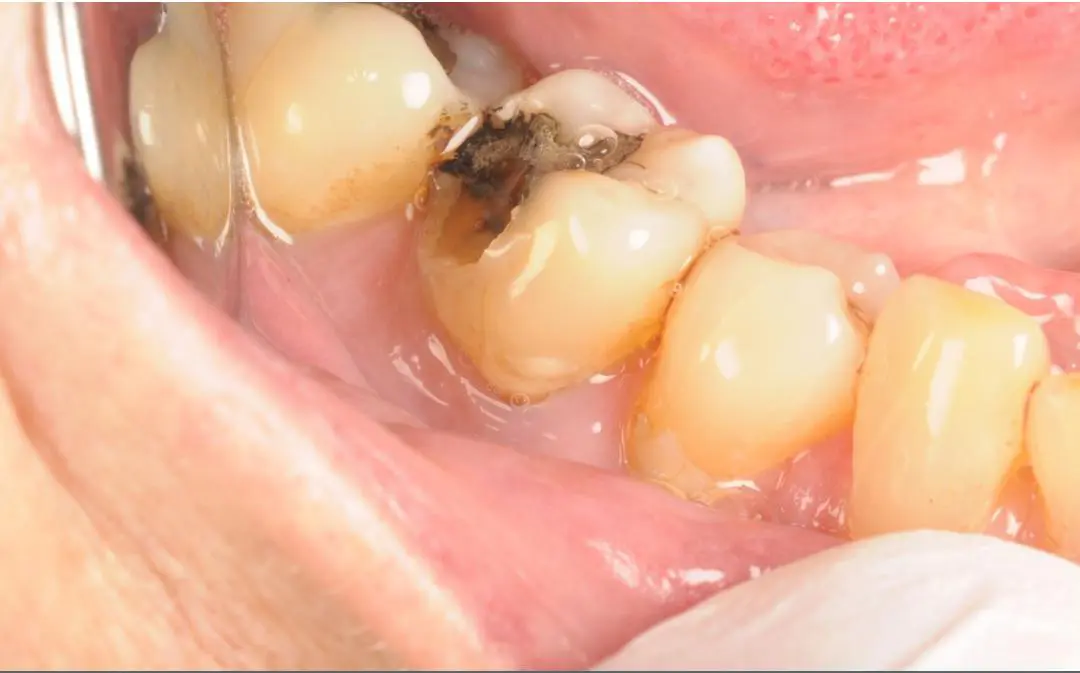
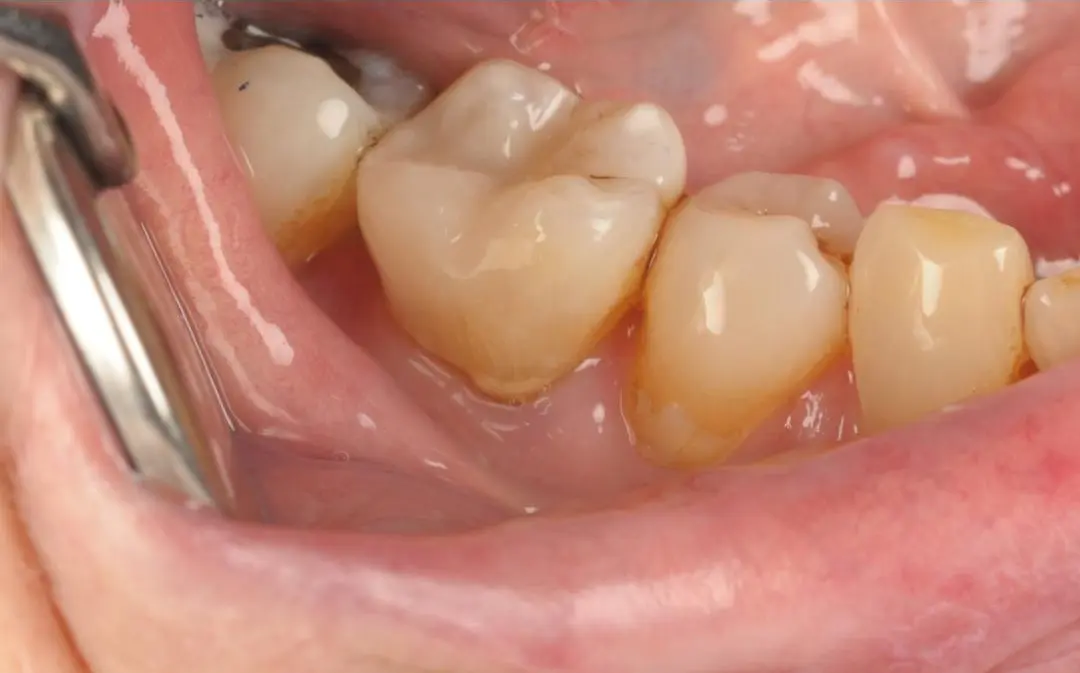
Real Patient Result: Emergency White Filling
Treatment by Dr Kamran
When bacteria reach the pulp, they cause pulpitis — inflammation of the pulp tissue. If the infection progresses, the pulp tissue dies (a condition known as pulp necrosis). The dead tissue then becomes a breeding ground for anaerobic bacteria, which thrive in environments without oxygen.
These bacteria produce toxins that seep through the tip of the tooth root — the apex — into the surrounding bone. The body responds by sending white blood cells to the area, and the resulting battle between immune cells and bacteria produces pus.
The pus accumulates in the bone around the root tip, forming a periapical abscess. As the pus collection grows, it erodes through the bone and soft tissue, eventually reaching the surface of the gum. This is the point at which patients experience the characteristic bad taste as the abscess drains into the oral cavity.
Symptoms Associated With a Ruptured Dental Abscess
While a foul taste is the most obvious sign, a ruptured abscess may be accompanied by several other symptoms. Recognising these can help you understand the situation more clearly:
- Sudden relief from toothache — the release of pressure often causes a noticeable drop in pain intensity.
- A visible pimple or swelling on the gum — sometimes called a gum boil or parulis, this small raised area may continue to drain intermittently.
- Persistent bad breath — the ongoing drainage of infected material contributes to halitosis.
- A salty or unpleasant discharge — pressing on the gum near the affected area may produce further drainage.
- Mild swelling in the face or jaw — though reduced after rupture, some residual swelling may remain.
- Sensitivity to hot or cold foods and drinks — the affected tooth may respond differently to temperature changes.
- A general feeling of being unwell — in some cases, patients report fatigue or mild fever, particularly if the infection has been present for some time.
It is worth noting that the absence of severe pain after an abscess ruptures does not indicate that the infection has resolved. The underlying cause — whether decay, a crack, or gum disease — still requires clinical assessment and appropriate management.
How a Ruptured Abscess Is Typically Managed
Treatment for a dental abscess that has ruptured and begun draining naturally focuses on addressing the source of the infection. A dentist experienced in dental abscess treatment can assess the situation and recommend an appropriate plan. The specific approach depends on the clinical findings during examination, but common management strategies include:
Drainage and Cleaning
If the abscess has not fully drained, a dentist may assist the process by creating a controlled drainage pathway. The area is cleaned to remove as much infected material as possible.
Root Canal Treatment
For teeth where the pulp has become infected or necrotic, root canal treatment may be recommended. This procedure involves removing the infected pulp tissue, cleaning and disinfecting the root canal system, and sealing the tooth to prevent reinfection. Root canal treatment aims to preserve the natural tooth structure wherever clinically appropriate.
Antibiotics
Antibiotics are not always necessary for dental abscesses. Current clinical guidelines suggest that antibiotics may be prescribed when there are signs of spreading infection, such as facial swelling, fever, or difficulty swallowing. Antibiotics alone cannot resolve a dental abscess — the source of infection must be addressed directly.
Extraction
In cases where the tooth is too severely damaged to be restored, extraction may be the most appropriate option. This decision is made following a thorough clinical and radiographic assessment.
The treatment pathway varies from patient to patient. What works in one situation may not be suitable in another, which is why individual clinical assessment is essential.
When Professional Dental Assessment May Be Needed
If you have experienced a bad taste from a ruptured abscess or noticed any of the symptoms described above, it may be appropriate to seek a professional dental evaluation. Certain situations warrant more prompt attention:
- Pain that returns or intensifies after initial relief from drainage
- Swelling that spreads to the face, cheek, or under the jaw
- Difficulty opening the mouth, swallowing, or breathing
- Fever or feeling generally unwell
- A gum boil that repeatedly fills and drains over several weeks
- Sensitivity that does not subside
These symptoms do not necessarily indicate a dental emergency in every case, but they do suggest that a clinical examination would be beneficial. A dentist can assess the tooth and surrounding structures, take appropriate radiographs, and discuss potential treatment options.
If you are experiencing dental discomfort and are unsure whether you need urgent attention, contacting a dental practice for guidance is always a reasonable step. An emergency dentist can help determine the urgency of your situation and recommend appropriate next steps.
Can a Ruptured Abscess Heal on Its Own?
This is one of the most common questions patients ask, and the honest answer is that a dental abscess very rarely resolves without professional treatment. While the body may manage the infection temporarily through natural drainage, the source of the bacteria — whether a decayed tooth, a deep crack, or a periodontal pocket — remains.
Without treatment, the infection may:
- Become chronic — a long-standing low-grade infection that drains intermittently, sometimes for months or years.
- Spread to adjacent structures — the infection can affect neighbouring teeth, the jawbone, or soft tissues of the face and neck. Recognising the warning signs that a tooth infection is spreading can help you seek timely care.
- Lead to bone loss — persistent infection around the root tip gradually destroys the surrounding bone.
- Cause systemic complications — in rare but serious cases, untreated dental infections can spread to other areas of the body.
The reduction in pain following a rupture can create a false sense of resolution. Many patients delay seeking treatment because the acute discomfort has subsided. However, the infection continues to develop beneath the surface, and the longer it persists, the more complex the treatment may become.
Prevention and Oral Health Advice
While not all dental abscesses can be prevented, there are practical steps that may significantly reduce your risk:
- Maintain a consistent oral hygiene routine — brushing twice daily with fluoride toothpaste and cleaning between teeth with interdental brushes or floss helps control bacterial plaque, the primary cause of decay and gum disease.
- Attend regular dental check-ups — routine examinations allow early detection of decay, cracks, and gum disease before they progress to the point of abscess formation. Patients who attend routine dental appointments are more likely to have issues identified and managed at an earlier stage.
- Address dental problems promptly — if you notice a cavity, a chipped tooth, or bleeding gums, arranging a dental assessment sooner rather than later can help prevent complications.
- Limit sugary foods and acidic drinks — frequent sugar consumption fuels the bacteria responsible for tooth decay. Reducing sugar intake, particularly between meals, supports better oral health.
- Do not ignore dental pain — pain is the body's signal that something requires attention. Even if pain subsides on its own, the underlying cause may still be present.
- Wear a mouthguard during sports — trauma to the teeth is a common cause of cracks and fractures that can eventually lead to infection.
Prevention is always preferable to treatment, and small daily habits can make a meaningful difference to long-term oral health.
Key Points to Remember
- A bad taste from a ruptured abscess indicates that pus from a dental infection has drained into the mouth.
- Natural drainage may temporarily relieve pain and pressure, but it does not resolve the underlying infection.
- The source of the infection — such as decay or a cracked tooth — typically requires professional dental treatment.
- Antibiotics alone cannot cure a dental abscess; the cause must be addressed directly.
- Reduced pain after an abscess ruptures does not mean the infection has healed.
- Maintaining good oral hygiene and attending regular dental check-ups may help reduce the risk of abscess formation.
Frequently Asked Questions
Is a bad taste in my mouth after an abscess ruptures dangerous?
The bad taste itself is not dangerous — it results from pus draining into your mouth. However, it indicates that an active dental infection is present. While the rupture may have relieved immediate pressure and pain, the underlying infection typically requires professional treatment. It is advisable to arrange a dental assessment so the source of the infection can be identified and an appropriate treatment plan discussed. Rinsing gently with warm salt water may help keep the area clean in the meantime, but this is a temporary measure rather than a treatment.
How long does drainage from a ruptured abscess last?
The duration of drainage varies considerably. Some patients experience a single episode of discharge, while others notice intermittent drainage over days, weeks, or even longer. A draining sinus tract (fistula) can persist for extended periods if the underlying infection is not treated. The drainage may stop temporarily as the opening closes, only to return when pressure builds again. This cycle is a sign of a chronic infection that would benefit from professional dental evaluation and management.
Should I go to A&E for a ruptured dental abscess?
Accident and Emergency departments are generally best suited for situations involving severe facial swelling, difficulty breathing or swallowing, high fever, or rapidly worsening symptoms. For most dental abscesses — including those that have ruptured and are draining — a dental practice is the most appropriate place to seek care, as dentists have the specialist equipment and training to assess and treat the tooth directly. If you are experiencing severe or concerning symptoms outside normal dental practice hours, NHS 111 can provide guidance on the most appropriate care pathway.
Can I treat a ruptured abscess at home?
Home care can help manage symptoms temporarily but cannot treat the infection itself. Rinsing with warm salt water, maintaining gentle oral hygiene, and taking over-the-counter pain relief as directed on the packaging may provide some comfort. However, because the bacteria causing the infection remain within the tooth and surrounding tissues, professional dental treatment is needed to address the cause. Delaying treatment may allow the infection to progress or become more complex over time.
Will antibiotics cure my dental abscess?
Antibiotics may be prescribed as part of the management of a dental abscess, particularly when there are signs of spreading infection. However, antibiotics alone cannot eliminate a dental abscess. The source of the infection — whether it is a decayed tooth, a crack, or a periodontal pocket — must be treated directly, typically through procedures such as root canal treatment, drainage, or extraction. Antibiotics support the body's immune response but do not replace definitive dental treatment.
How can I prevent dental abscesses in the future?
Good oral hygiene is the foundation of abscess prevention. Brushing twice daily, cleaning between teeth, reducing sugar intake, and attending regular dental check-ups all contribute to a lower risk. Addressing dental issues such as cavities or gum disease early, before they progress, is also important. If you experience a cracked or chipped tooth, seeking prompt dental advice can help prevent bacteria from entering the inner tooth structure. Prevention is always more straightforward and comfortable than treating an established infection.
Conclusion
A bad taste from a ruptured abscess is understandably concerning, but understanding what has happened and why can help you respond calmly and appropriately. When a dental abscess ruptures and drainage starts naturally, it indicates that your body has been managing a bacterial infection — but the source of that infection almost always requires professional dental care to resolve fully.
The temporary relief in pain and pressure following a rupture can be misleading. Without treatment, the infection may persist as a chronic condition, potentially affecting surrounding teeth and bone over time. Seeking a dental assessment allows for proper diagnosis, appropriate treatment planning, and the best possible outcome for your oral health.
Good daily oral hygiene habits, regular dental visits, and prompt attention to dental problems remain the most effective strategies for reducing the risk of abscess formation. If you are experiencing any of the symptoms discussed in this article, arranging a professional evaluation is a sensible and proactive step.
Dental symptoms and treatment options should always be assessed individually during a clinical examination.
Disclaimer
This article is for general educational purposes only and does not constitute professional dental advice, diagnosis, or treatment. Every patient's circumstances are unique; dental symptoms and treatment options should always be assessed during a clinical examination by a qualified dental professional. No specific outcomes are guaranteed. This content has been prepared in line with GDC, CQC, ASA CAP Code, and GMC communication standards. If you have concerns about your oral health, please contact a registered dentist.